

19/10/2026

Share:
19/10/2026
Share:

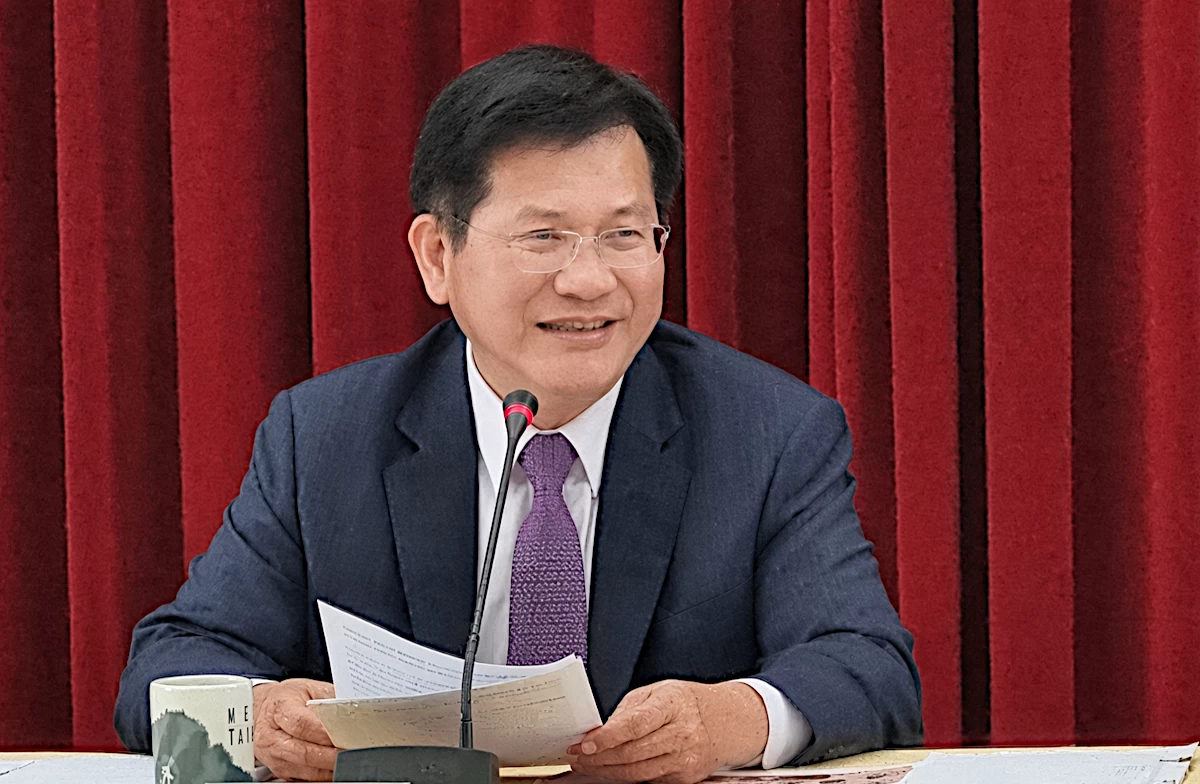
TAIPEI, Oct 19: Taiwan is seeking to deepen international partnerships through investment, advanced technology and development cooperation, while strengthening its defence capabilities in response to what it describes as growing Chinese military pressure, Foreign Minister Lin Chia-lung said during a briefing for international journalists ahead of Taiwan’s National Day celebrations.
Addressing a political and economic press delegation at the Ministry of Foreign Affairs, Lin said Taiwan was pursuing an integrated diplomatic strategy aimed at turning longstanding relationships with diplomatic allies into partnerships based on joint investment, development and shared economic benefits.
He said Taiwan’s strengths in semiconductors, artificial intelligence (AI), information and communications technology (ICT), smart healthcare and advanced manufacturing could create new opportunities for international cooperation and help meet the practical needs of partner countries.
“We aim to transform long-standing friendships with our diplomatic allies into partnerships that result in joint investment, joint development, and shared benefits,” Lin said.
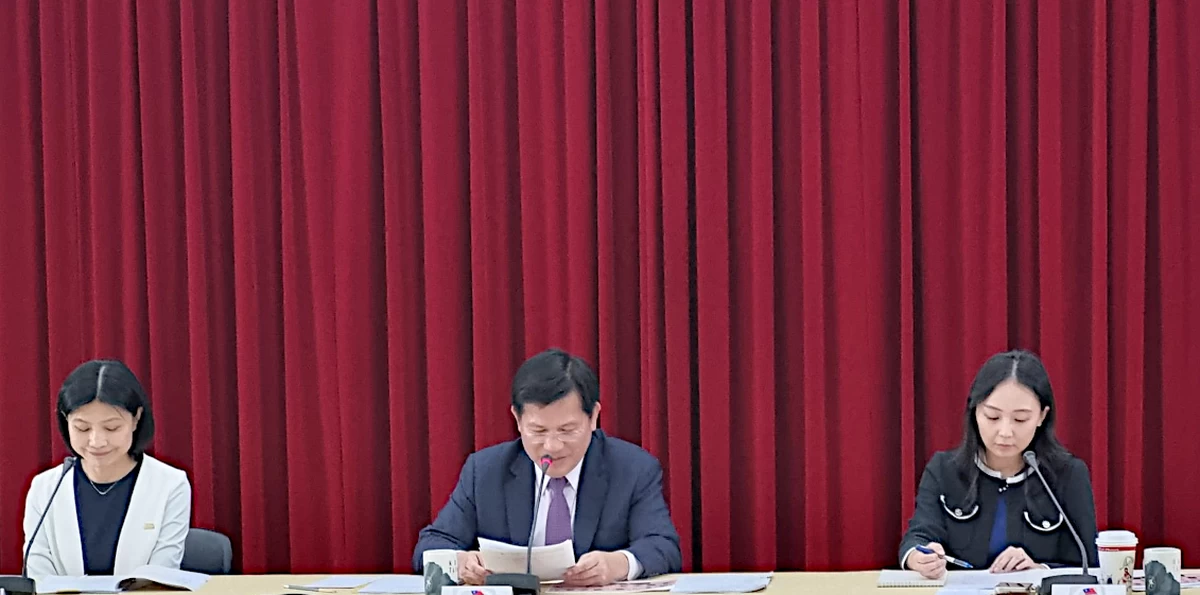
Lin highlighted Taiwan’s efforts to expand economic diplomacy, citing his recent visits to Guatemala and Belize, accompanied by around 30 Taiwanese businesses and representatives of the Taiwan-US Business Council.
The delegation explored opportunities for Taiwanese and American companies to cooperate in Central America in areas including investment, smart technology, transportation, healthcare, green energy and personnel development.
Lin described the approach as “third-country cooperation,” in which Taiwan and the United States combine their respective strengths to expand markets, develop more comprehensive supply chains and create tangible economic opportunities for diplomatic partners.
He also referred to his stopover in the United States to attend the opening of Taiwan’s new office in Phoenix and his September visit to Palau for activities related to the Pacific Islands Forum.
According to Lin, these initiatives demonstrate Taiwan’s intention to position itself as a reliable international partner capable of delivering practical economic and technological benefits.
Democracy at the centre of diplomacyLin said democracy remained the foundation of Taiwan’s international engagement, describing it as both a political system and a way of life that connects Taiwan with the international community.
He cited Vice President Hsiao Bi-khim’s visit to Italy last month, where she attended the second European Conference of Ventotene for Freedom and Democracy, as an example of Taiwan’s efforts to expand international engagement.
However, Lin accused the neighbouring country of continuing to obstruct Taiwan’s attempts to strengthen diplomatic relations and participate in international affairs.
He argued that other countries should be free to determine their relations with Taiwan according to their own interests and values, based on equality, dignity and mutual benefit.
Warns of military pressure across Taiwan StraitTurning to regional security, Lin accused a neighbouring country of applying sustained military pressure on Taiwan through what he described as grey-zone coercion, including the deployment of military aircraft, naval vessels and coast guard ships around the island.
He also cited alleged cognitive warfare, cyberattacks and economic coercion, saying these actions were aimed at changing the status quo across the Taiwan Strait.
Lin warned that the consequences extended beyond Taiwan, affecting security in the East China Sea, the South China Sea and the wider Indo-Pacific region.
He said Taiwan did not seek to provoke confrontation but intended to preserve peace through stronger defence capabilities.
Taiwan, he added, would continue strengthening its self-defence, expanding its defence industry and building resilience across society while seeking to minimise the risk of miscalculation and escalation.
Lin stressed that security could not be ensured by Taiwan acting alone. He pointed to institutionalised cooperation between Taiwan and the United States in security, trade, technology and international participation, as well as efforts to deepen ties with Japan, South Korea and the Philippines.
TSMC investment strengthens high-tech supply chainsLin also linked economic cooperation to regional security, arguing that economic resilience and security were closely connected.
He cited Taiwan Semiconductor Manufacturing Co (TSMC), saying the company had announced cumulative investments of US$265 billion in the United States. According to Lin, the investments extend beyond semiconductor manufacturing to include materials, AI servers and electronic manufacturing services, strengthening high-tech supply chain cooperation between the two economies.
He also referred to a recent joint position expressed by the foreign ministers of the United States, Japan and South Korea, who underscored the importance of peace and stability across the Taiwan Strait and opposed unilateral attempts to change the status quo.
Lin said the three countries had also supported Taiwan’s meaningful participation in international organisations.
He argued that stability across the Taiwan Strait had become an issue of international importance, with implications for Indo-Pacific security, the global economy and supply chain stability.
Taiwan seeks a greater international roleLin said Taiwan’s government, under President Lai Ching-te, was continuing to strengthen diplomatic partnerships, deepen relations with like-minded countries and expand international participation through economic, technological and development cooperation.
He said Taiwan’s National Day was an opportunity not only to celebrate the island’s achievements but also to consider how it could contribute more substantially to the international community.
“The most important measure of diplomacy is not how far Taiwan can go on its own, but how many partners we move forward with together,” Lin said.
He reaffirmed Taiwan’s intention to pursue peace and contribute to global development through its technological and economic strengths, urging international visitors to look beyond the National Day celebrations and understand the determination of Taiwan’s people to safeguard democracy and work with other countries towards a peaceful, prosperous and sustainable future.