


13/11/2026

Share:
13/11/2026
Share:
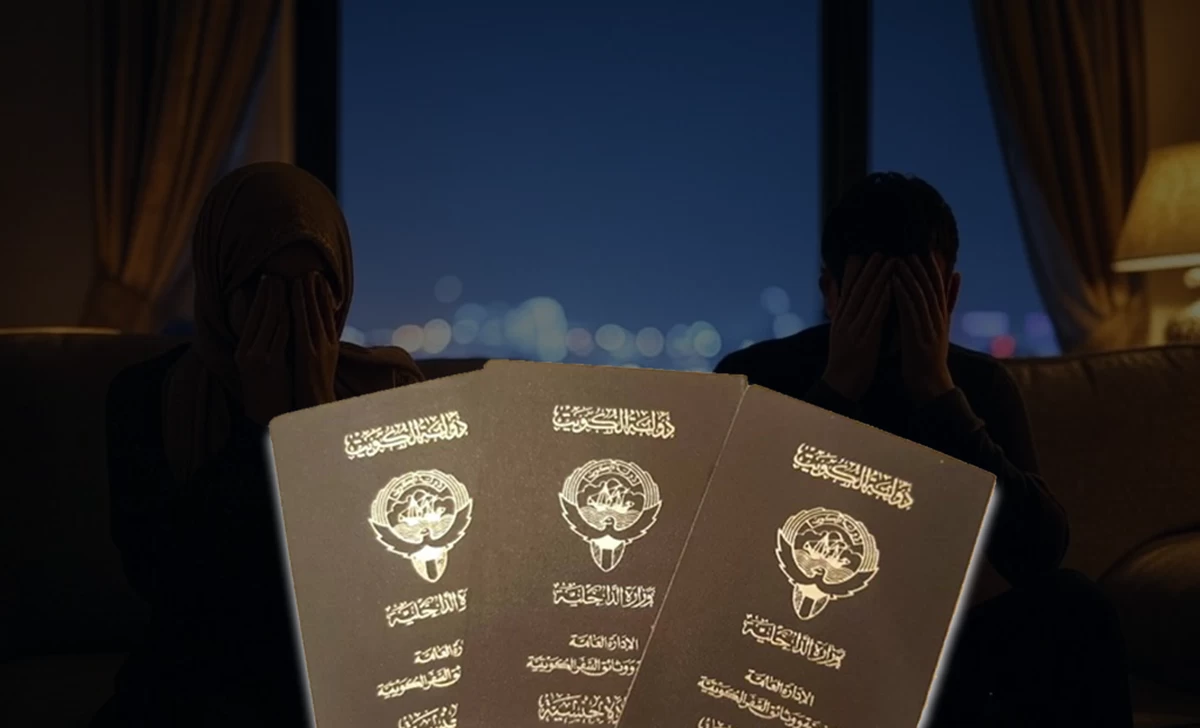

KUWAIT CITY, Nov 13: Kuwait's ongoing citizenship investigation has widened significantly, with authorities ordering the withdrawal of citizenship from another 609 people linked to two additional branches of a family suspected of obtaining Kuwaiti nationality through fraudulent claims of ancestry.
The latest decision brings the total number of people affected in the same citizenship file to 896, following earlier revocation decisions involving 287 people. However, the investigation is far from over, with the possibility that the total could eventually reach 1,106 people if authorities decide to extend the action to the original holder of the citizenship file and all those registered under his nationality.
The latest cases were examined by the Supreme Committee for the Investigation of Kuwaiti Citizenship during its meeting on Thursday. They concern two deceased individuals, identified as (F) and (A), whose citizenship records and claimed family relationships were challenged by investigations conducted by the Citizenship Investigation Department.
Investigators reportedly uncovered evidence suggesting that the two men had been incorrectly registered as sons of the Kuwaiti citizenship holder, despite having obtained Kuwaiti nationality more than five decades ago.
Four alleged cases of fraudulent family registrationThe investigation centres on a Kuwaiti citizenship file belonging to a man identified as (H.A.), whose family records include children from two marriages.
Four of his alleged sons have come under scrutiny. Two earlier cases involving individuals identified as (S) and (H) had already resulted in citizenship revocation decisions affecting 287 people, including their dependants.
The latest investigation identified two additional cases involving (F) and (A), both deceased.
The new decisions cover:
- 89 people registered under the first individual (F).
- 520 people registered under the second individual (A).
This brings the latest total to 609 people, taking the cumulative number affected across the four family branches to 896.
First case: Gulf identity uncovered after citizenship granted in 1971The case involving (F) attracted investigators' attention after records showed that he obtained Kuwaiti citizenship in 1971 at the age of approximately 40.
The circumstances surrounding his nationality prompted the Citizenship Investigation Department to examine his identity and claimed relationship with the Kuwaiti father under whose file he had been registered.
Investigations reportedly established that (F) had another name and held the nationality of a Gulf country. Investigators obtained databases containing his personal details and those of his children from that country.
More significantly, one of his daughters was reportedly still using her Gulf identity and name, providing an additional lead in establishing the family's background.
However, investigators went further by summoning his children and conducting DNA tests, comparing their genetic profiles with those of their supposed paternal uncles recorded in the Kuwaiti family documents.
The results reportedly established that the individuals identified as their uncles were not their biological relatives.
Investigators also found that (F)'s name was missing from the inheritance inventory prepared following the death of the man recorded as his father.
The combination of DNA findings, the absence of his name from the inheritance records and evidence of his Gulf identity formed the basis of the findings against his claimed family relationship.
Second case: Citizenship obtained at nearly 60The second case involving (A), who is also deceased, raised further questions about the authenticity of the family registration.
According to Kuwaiti documents, (A) obtained citizenship in 1970 when he was approximately 60 years old.
His age at the time of naturalisation, together with investigative findings concerning his entry into Kuwait and an allegedly concealed Gulf nationality, prompted authorities to examine his background.
His children were summoned for DNA testing, with the results compared against those of the men identified in the records as their paternal uncles.
The tests reportedly ruled out the claimed biological relationship, establishing that the supposed uncles were not their actual relatives.
Investigators also found that (A)'s name did not appear in the inheritance inventory of his alleged father.
These findings, alongside the circumstances surrounding his citizenship acquisition and evidence concerning his other nationality, strengthened the case against his registration under the original Kuwaiti citizenship file.
Article 14 could bring another 210 people under reviewDespite the decisions covering the four family branches, the original citizenship file remains under examination.
Investigators are reportedly reviewing whether the original citizenship holder should also be held responsible for the allegedly incorrect additions made under his file.
The investigation could lead to the application of Article 14 of the new Kuwaiti Nationality Law, potentially extending citizenship revocation to the original file holder and all individuals registered as his dependants.
If that happens, another 210 people could be affected, taking the potential overall figure to 1,106 people.
For now, 896 people have been covered by the revocation decisions in the four branches, while the remaining 210 are subject to the possible wider action.
The latest developments indicate that the investigation is not limited to individual citizenship records but is also examining entire family-registration chains, including their descendants and dependants, to establish whether nationality was obtained through legally valid family relationships.