



13/10/2026

Share:
13/10/2026
Share:

TAIPEI, Oct 13: Taiwan’s semiconductor success is built on more than advanced manufacturing. Behind the island’s technology industry is a research and innovation ecosystem that identifies emerging technologies, develops industrial applications and helps businesses turn research into commercial opportunities.
At the centre of this ecosystem is the Industrial Technology Research Institute (ITRI), a leading applied technology research organisation founded in 1973. With more than 6,800 employees, ITRI works to advance industrial development, create economic value and improve social well-being through research and development.
Over the decades, the institute has played a role in developing Taiwan’s technology industry, helping establish and incubate companies including Taiwan Semiconductor Manufacturing Company (TSMC), United Microelectronics Corporation (UMC), Taiwan Mask Corporation, Epistar, Mirle Automation and Taiwan Biomaterial.
Choosing the right technologies for Taiwan
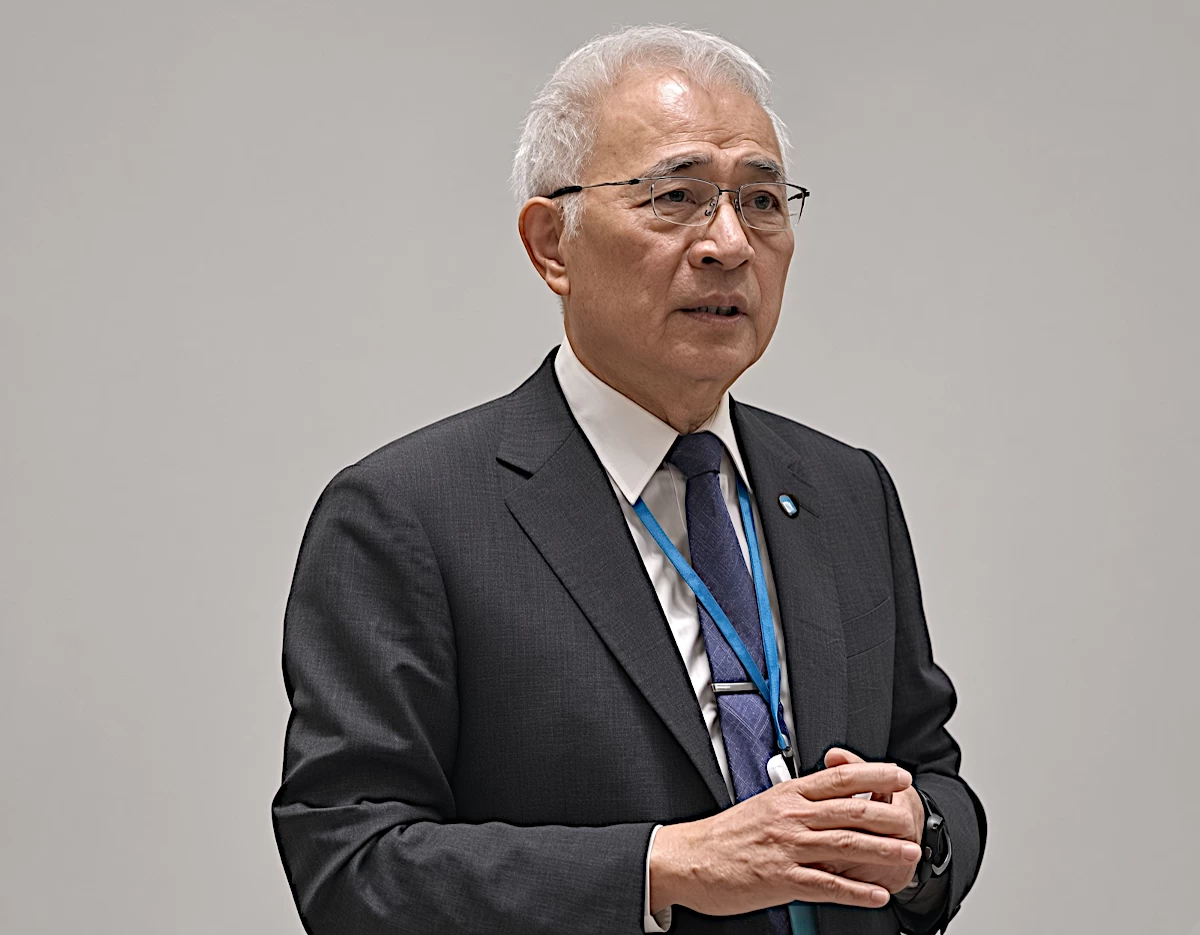
Speaking about Taiwan’s technology development strategy, ITRI President Pei-Zen Chang explained that the challenge is not simply identifying technologies that can be developed but deciding which ones Taiwan should prioritize.
With limited research resources and a wide range of technologies emerging worldwide, Taiwan must concentrate its investment on areas that match its industrial strengths and offer realistic opportunities for commercial success.
Chang said ITRI maintains a 10-year technology development roadmap, updated twice a year to reflect changes in the global environment. The roadmap provides a framework for discussions with the government on research priorities and future investment.
The institute evaluates emerging technologies and presents technically feasible options to policymakers. The government then selects those that best align with its development priorities.
Chang compared the process to a buffet: researchers prepare a range of options based on their technical expertise, while the government chooses those best suited to its policy objectives.
He also noted that successive Taiwanese governments have continued to support research and development despite changes in the ruling party, helping maintain continuity in the island’s technology ambitions.
Semiconductor leadership requires an entire ecosystem
Taiwan’s experience also demonstrates why establishing a semiconductor industry is about much more than building a fabrication plant.
Chang highlighted the importance of developing the complete supporting supply chain, including the infrastructure and industrial capabilities needed to sustain semiconductor production. For countries entering the sector for the first time, building this ecosystem can be particularly challenging and time-consuming.
The international expansion of TSMC, including manufacturing projects in Japan, Germany and Arizona in the United States, illustrates the scale of effort involved in establishing semiconductor production capabilities in different locations.
For Taiwan, the broader lesson is that semiconductor competitiveness depends on a combination of research, skilled talent, industrial suppliers, equipment, materials and the ability to translate technological advances into commercial production.
ITRI’s role extends across this chain, from technology development and pilot demonstrations to industrial collaboration, technology transfer and support for emerging businesses.
AI moves beyond the laboratory
Artificial intelligence is another major focus of ITRI’s work. Its AI Application Strategy Office, established in 2018, promotes AI research and applications across smart manufacturing, smart business, smart healthcare, unmanned vehicles and smart system-on-chip technologies.
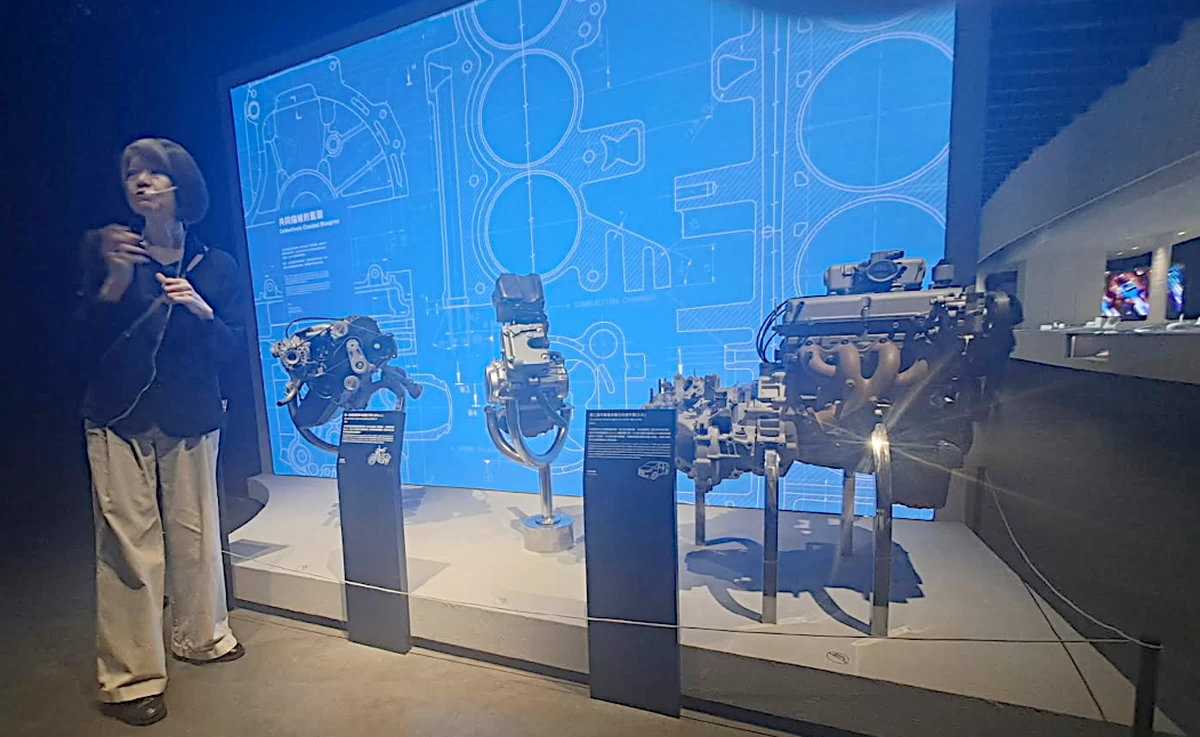
The institute also explores AI applications supporting net-zero emissions and sustainability, reflecting the growing connection between digital technology, industrial productivity and environmental performance.
Rather than treating AI as a standalone technology, ITRI combines it with expertise in semiconductors, communications, cybersecurity and smart sensing. The objective is to develop practical applications that can be adopted by industries and create new services and business opportunities.
This cross-disciplinary approach is intended to help Taiwanese companies improve their capabilities while strengthening the country's position as a technology partner in global supply chains.
Developing smart mobility and connected services
ITRI is also working on technologies designed to improve daily life and business operations. Its research includes extended reality systems, interactive in-vehicle technologies, autonomous mobility, perception and prediction systems, decision-making controls, autonomous mobile robots, smart consumer services and intelligent logistics.
These technologies can support applications ranging from connected vehicles and automated transport to warehouse operations and more responsive consumer services.
The institute’s Office of Intelligent and Green Vehicle Promotion Strategy, established in 2022, coordinates research covering autonomous vehicles, unmanned aerial vehicles, rail transport, green vehicles, automotive electronics, autonomous mobile robots and information and communications services.
The work also connects with Taiwan’s broader efforts to develop automotive electronics and technologies for intelligent and lower-emission transport.
Applying technology to healthcare
ITRI is using Taiwan’s strengths in information and communications technology and medical systems to advance precision health and healthcare innovation.
Its research covers smart medical electronics, regenerative medicine, drug development, preventive healthcare, healthcare decision-support systems and other technologies intended to improve quality of life.
The institute is also exploring how AI, big data and digital technologies can support preventive care and more effective healthcare services, including solutions for an ageing population.
Its stated objective is to strengthen the connections between technology developers, healthcare providers and industry, enabling Taiwanese innovations to participate in the global biomedical market.
Green manufacturing and the net-zero transition
Sustainability is another central area of ITRI’s research. The institute is developing technologies for circular-economy applications, low-carbon manufacturing, sustainable electronics, green energy and environmental management.
Its work includes energy-efficient production, low-carbon product design, digitalised manufacturing processes, sustainable energy sources, smart grids and energy storage.
ITRI established its Net Zero and Sustainability Strategy Office in 2021 to strengthen cooperation among industry, government and academia.
One initiative is a cloud-based carbon management platform that helps manufacturers calculate their carbon footprints. According to the institute, its industrial database contains more than 10,000 carbon-emission coefficient entries, supporting assessments of emissions from products and supply chains.
ITRI also provides consulting and training to help businesses identify major sources of emissions, develop reduction strategies and build the skills required for the transition to a lower-carbon economy.
Strengthening industrial resilience
Beyond commercial technology, ITRI is developing solutions to help Taiwan respond to risks arising from extreme weather, major earthquakes, geopolitical tensions and pandemics.
Its resilience-related work covers transportation, information and communications networks, electricity grids, energy and resource management, critical supply chains, workforce development, and manufacturing equipment and components.
The focus reflects the importance of keeping essential infrastructure and industrial operations functioning during disruptions.
For a technology-driven economy, the ability to maintain production, secure supplies and recover from emergencies is closely linked to long-term industrial competitiveness.
Connecting Taiwan with the world
ITRI’s work extends beyond research laboratories. The institute offers contract research, pilot production, process improvement, calibration and measurement services, technology transfer and intellectual-property services.
Its open laboratories and incubators also support startups and entrepreneurship, helping new businesses develop and commercialise technologies.
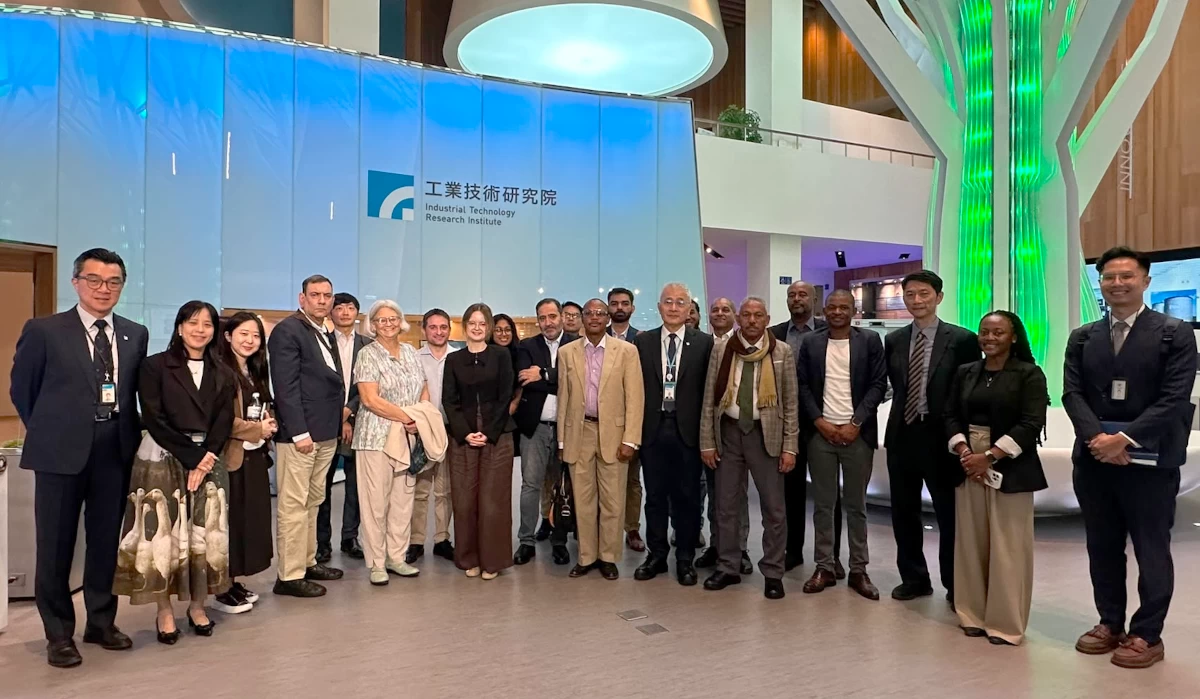
International cooperation is another part of its strategy. ITRI has established branch locations in the United States, Japan and Germany to strengthen long-term partnerships with overseas companies and research organisations.
Through these connections, the institute seeks to link Taiwan’s industrial capabilities with international technology developments, research networks and new markets.
Research with an industrial purpose
ITRI’s approach illustrates how applied research can support an economy’s technology ambitions. Its work spans semiconductors, AI, mobility, healthcare, sustainable manufacturing and industrial resilience, but the underlying objective remains consistent: to turn scientific and engineering knowledge into solutions that businesses can use.
Chang’s emphasis on choosing the right technologies reflects the importance of focus in a resource-constrained environment. Rather than pursuing every emerging development, Taiwan seeks to direct research towards technologies that match its capabilities and offer opportunities for industrial growth.
For Taiwan, the strategy connects long-term research planning with government priorities, private-sector needs and international collaboration.
The result is a research model designed not only to develop new technologies, but also to help build the companies, supply chains and industrial capabilities needed to bring them into practical use.
By John C Fernandes
Online Media & IT Manager, Arab Times