


04/04/2026

Share:
04/04/2026
Share:


In moments of rising regional tension, events are often framed as political maneuvering or strategic escalation. But there are times when what is happening cannot be understood through politics alone. It must be seen for what it is a legal issue.
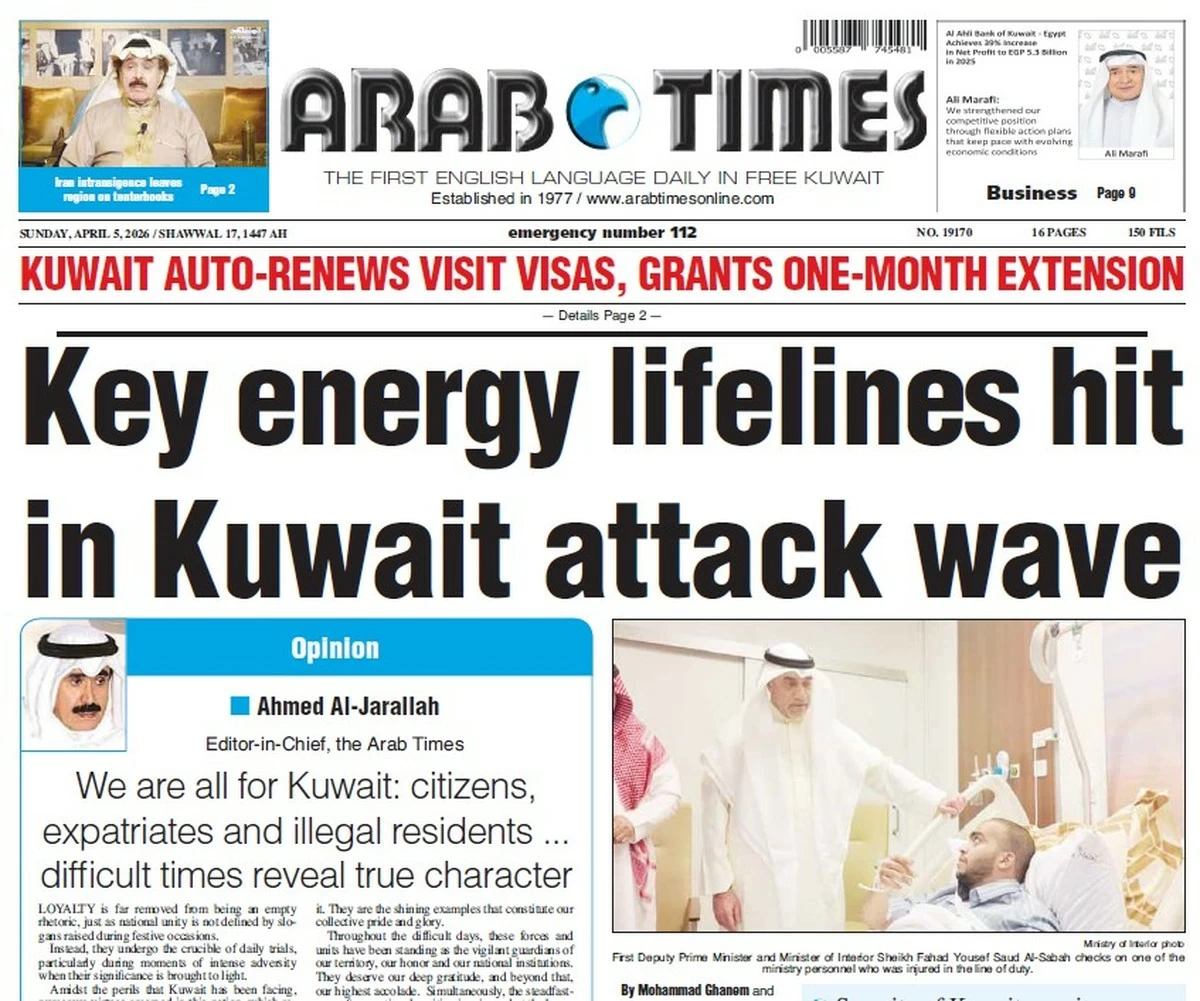
The targeting of civilian infrastructure, airports, energy facilities, public buildings and residential areas, falls squarely into that category.
International Humanitarian Law was not created for times of peace. It exists precisely for moments like these, to place limits on how conflicts are conducted and to preserve a minimum level of humanity, even in war.
At its core are clear and non-negotiable principles. The first is distinction the obligation to differentiate between civilian objects and military targets at all times. The second is the absolute prohibition against targeting civilian infrastructure.
These are not abstract ideals. They are binding legal standards.
When they are breached, the issue becomes a matter of accountability. Under international law, including the Rome Statute of the International Criminal Court, the deliberate targeting of civilian objects constitute war crimes, carrying individual criminal responsibility.
But perhaps the more troubling issue is not the violation itself, it is the risk of becoming accustomed to it.
The most dangerous precedents in history are rarely the ones that shock us once. They are the ones that repeat, gradually becoming accepted. When violations of international law occur without consequence, the damage is not limited to a single incident. It erodes the credibility of the entire international legal system that is meant to regulate conflict.
International law does not lose its force because it is weak. It loses its force when it is not enforced and this is where the real test lies.
Today, the international community is not only witnessing events, it is being measured by its response. The question is no longer simply what has happened. It is whether the rules that have long been established will be upheld through meaningful accountability against the attacks on the GCC, or quietly set aside through selective enforcement ignoring the Iranian attacks on Kuwait and the gulf.
For countries that value stability and for regions that have experienced the cost of lawlessness, this is not an abstract discussion. It goes to the heart of security, justice, and the rule of international law itself.
In the end, the strength of international law is not defined by the words written in treaties. It is defined by the willingness to apply them by the international community. In moments like this, that willingness is being tested.
By Dr. Fawaz Khaled Alkhateeb