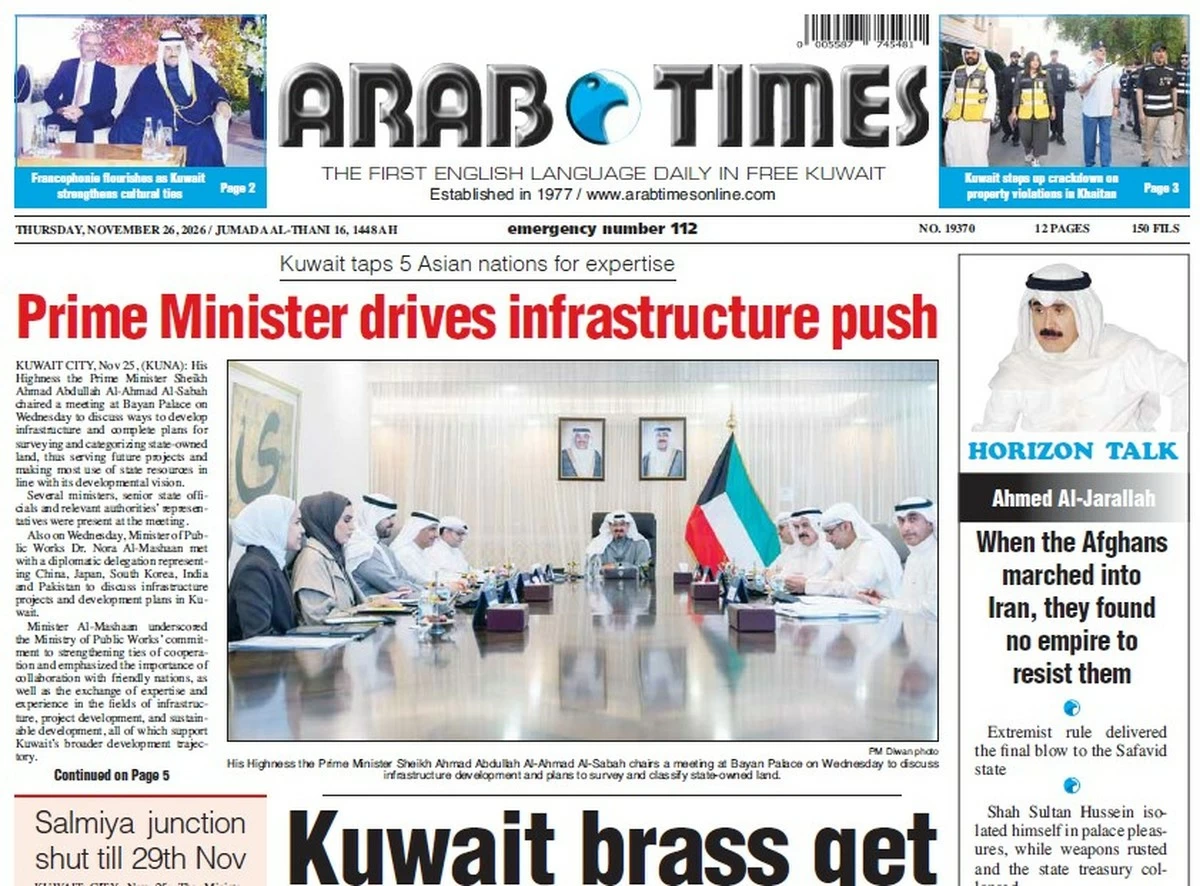




The greatest victims were the inhabitants of the outlying regions, such as Afghanistan and Balochistan. It was not marginalization; it was ethnic cleansing. Mosques and schools were demolished, and scholars were exiled. Most terrifyingly, armed gangs wielding axes were unleashed in the markets, cursing religious figures. Any passerby who refused to join in the cursing had their head smashed immediately. With this madness, the state turned millions of people into ticking time bombs. From the depths of this oppression in Kandahar, the volcano erupted.
The Afghan commander Mahmud Hotaki marched with an army thirsting for revenge. Ironically, he found not an empire to fight, but a corrupt army and an absent leadership. The capital, Isfahan, fell, and the crown was left in the mud. Any regime built on corruption and then cloaked in religion to rule its people will repeat the fall of Isfahan. Nations do not die from external forces; they commit suicide from within. Those who raise the sword of sectarianism against their own people will ultimately be struck down by it.
He began reciting the Holy Quran when the jinn appeared to him from the sea. Abu al-Barakat continued reciting until the jinn retreated into the sea and never returned. The following morning, the old woman and the islanders came to retrieve the body, but instead, they found Abu al-Barakat alive and reciting the Quran. They took him to their king, Shanuraza, and told him about the miracle. The king asked Abu al-Barakat to repeat what he had done the following month. He did so, and the demon fl ed once again, by the blessings of the Quran. At that moment, God opened the king’s heart to Islam, and he and his relatives embraced the faith. The king destroyed the idols, and a thousand islands converted to Islam thanks to this Moroccan man. Abu al-Barakat’s tomb still stands in the capital, Malé, bearing an inscription that reads - “Sultan Ahmad Shanuraza converted to Islam at the hands of Abu al-Barakat the Berber.”
People believed that the princess and the poet were made for each other. However, the poet suddenly betrayed the princess with her maidservant. Despite this, the princess neither broke down nor backed down, but she refused to forgive him. She wrote a satirical poem that haunted the poet throughout his life, including the following lines: “If you were truly in love, you would have chosen a woman worthy of being compared to me, not my slave girl. You abandoned a fruitful branch, beautiful and vibrant, and preferred a withered one, barren and unfruitful. Although you knew I resembled the moon, you abandoned me and chose Jupiter.”
The poet regretted his actions, but it was too late. He left no stone unturned in his attempts to win the princess back. He wrote numerous poems seeking reconciliation, but she never returned to him. Among his verses were the following: “Distance has replaced our closeness, and separation has replaced our meetings. There is no longer any hope of meeting, neither in the morning nor in the evening.” In Cordoba, particularly in Plaza de Santo de los Mártires, a monument still stands in the shape of two hands reaching for each other but never touching. The monument eloquently captures the relationship between the princess and the poet, which began with a profound literary passion but was later torn apart by circumstances, political intrigue, and malicious gossip. This is the story of the poet-princess Wallada bint al-Mustakfiand the poet Ibn Zaydun