


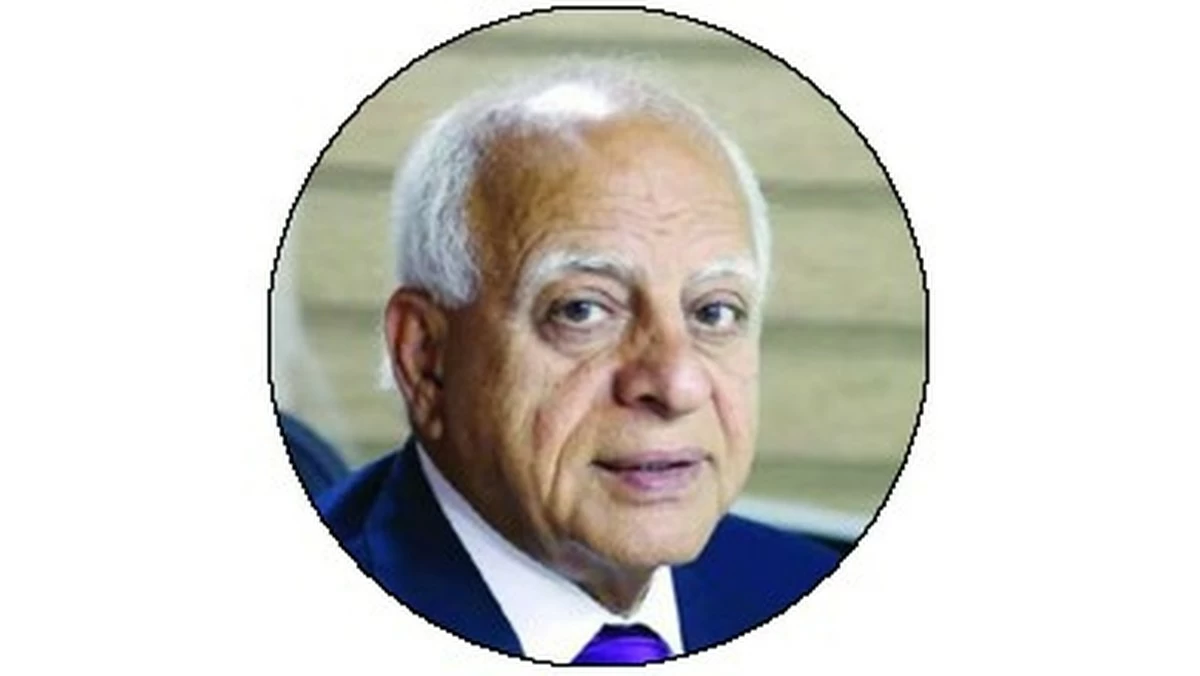

Sadegh Zibakalam is considered one of Iran’s most prominent thinkers and academics and may play a significant political role in the future. He is a leading figure in Iran’s reformist- liberal movement and one of its most outspoken critics. Zibakalam served as a professor at the Faculty of Law and Political Science at the University of Tehran, specializing in contemporary Iranian affairs and regional relations. He had earned his PhD from the University of Bradford in the United Kingdom.
In the 1970s, he was arrested during the Shah’s regime for his political activism and later became a critic of the policies of the Islamic Republic. He has written well-known books on Iranian politics, including “How We Became What We Are” and “An Introduction to the Islamic Revolution.” He frequently appears in Iranian and international media outlets, such as the BBC and Al Jazeera, as a political analyst. These appearances have led to trials and prison sentences on charges of propaganda against the regime and spreading falsehoods.
In one of his most notable interviews, Zibakalam stated that since the beginning of the Iranian Islamic Revolution in 1979, Iran has openly called for the destruction of Israel. He stressed that Iran has pursued this goal through a clear and practical policy by establishing the “Axis of Resistance,” which includes Hezbollah in Lebanon, Hamas and Palestinian Islamic Jihad in Gaza and the West Bank, Shiite militias in Iraq, the Houthis in Yemen, and the Assad regime in Syria. Zibakalam emphasized that Israel, in contrast, has never sought to destroy Iran. He noted that even the most hardline Israeli officials have not declared this as a goal, although Israel has taken action against Iran’s nuclear program, which it considers an existential threat. He stated that the October 7, 2023, Hamas-led attack on Israeli settlements, which resulted in large number of casualties, changed Israel’s stance toward Iran and prompted Israel’s attacks on Iranian nuclear facilities.
Zibakalam argues that current discussions about punishing Iran for the events of October 7 reinforce the perception that Iran is responsible for and complicit in those events. He asserts that Iran’s call for the destruction of Israel is the reason for the world’s, particularly the West’s, heightened sensitivity to Iran’s nuclear program. Zibakalam criticizes the Iranian government, especially regarding its nuclear program, arguing that the massive investments have neither improved the electricity supply nor revitalized the stagnant industrial sector. He also criticizes Iranian foreign policy toward the United States, suggesting that Iran’s continued animosity toward the US since the Islamic Revolution may be detrimental to the country’s national interests.
He states that the Iranian nuclear program has intensified Iran’s hostility toward the West. Zibakalam holds the government responsible for every negative event in Iran, from the accidental downing of an Iranian passenger plane in 1988 to the alleged US involvement in arson attacks during protests in the country. He asserts that the government’s policies have failed to strengthen and integrate the ethnic, religious, and sectarian identities of minority groups, specifically citing the Kurds in the west, the Baloch in the east, and the Azerbaijanis in the north. Zibakalam stressed that the political situation in Iran is unclear, and for some reason, Western reports provide little elaboration on it.
By Ahmad alsarraf
email: [email protected]
email: [email protected]