



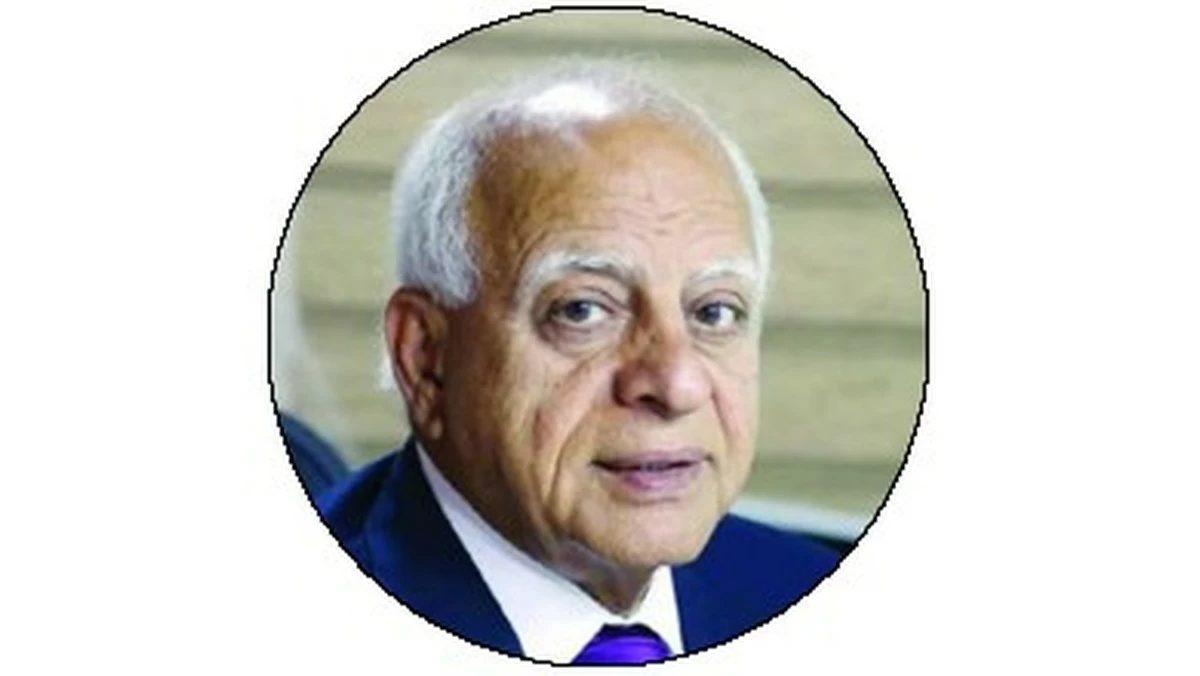

He had been appointed Professor of Sociology of Education at Cambridge University in 2023, becoming the youngest Black professor in the university’s history. He faced accusations of plagiarism in some of his work, while questions were also raised about his academic qualifications and certain honorary positions or appointments associated with his career. Arday denied the accusations while acknowledging some errors. Cambridge University launched an investigation into his qualifications and appointments, along with separate complaints of academic misconduct.
After weeks of media coverage and pressure, Arday resigned, saying it was the only way to bring a difficult period to an end. He emphasized, however, that his resignation did not constitute an admission of the allegations. Nine days later, he was found dead at his home at the age of 41. No official cause of death was released, but no foul play was suspected. It is believed that he died of a broken heart due to the intense pressure he had endured.
Cambridge had celebrated its new star, Professor Arday, hailing him as its youngest Black professor and promoting his inspiring personal story of growing up in public housing and overcoming severe hardship to rise through the academic world. Suddenly, a blog post by a former Cambridge researcher who had previously faced disciplinary action accused Arday of plagiarism and falsifying his biography. The accusation sparked a storm of controversy, and the British media, particularly the conservative press, found the story incredibly compelling. Arday’s appointment to the prestigious position came amid considerable pressure to increase the representation of people of color among faculty members and students.
The challenge of the task cannot be overstated. Cambridge University was, and still is, a predominantly white institution. Arday was the top candidate. He held a doctorate in education, but his research record was modest. He had moved between universities and possessed a compelling personal story - he was diagnosed with autism at a young age and spoke late, but overcame these challenges to make a name for himself. Cambridge University promoted this story as part of its growing trend of recruiting high-profile figures with inspiring personal narratives and broad public appeal, helping to ensure positive media coverage for the institution. However, it later emerged that some of what Arday said was untrue, while other claims were so exaggerated as to be almost unbelievable.
His appointment was made by a nine-member panel, which included a psychiatrist who had researched autism. It was possible to uncover the falsity of Arday’s claims, but the desire to rehabilitate Cambridge University’s image and address accusations of bias against non-white people seems to have hastened his appointment, despite doubts about his abilities and claims that surfaced shortly after his hiring. Despite this, Cambridge University strongly defended its decision, arguing that Arday had faced numerous problems at the time he wrote the questionable research, which had influenced his work, including both direct and indirect racism.
The university then received a warning from a prestigious academic journal about issues with Arday’s doctoral dissertation, but Cambridge ignored it and considered him the victim of a smear campaign. Cambridge was defending both itself and its decision to hire him. Consequently, the university was criticized because, had it not been for the extensive media coverage and earlier action, the situation might not have escalated into such a public and tragic crisis. The story has not yet come to an end.
email: [email protected]