



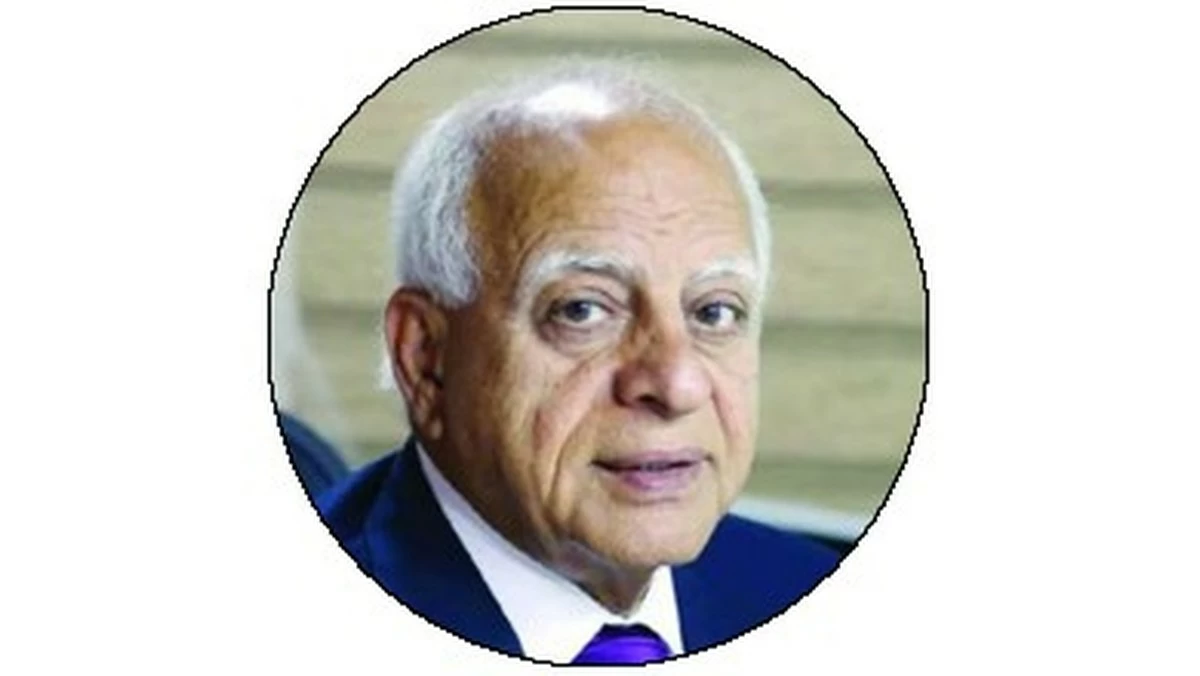

British physician William Frankland, now 108, shared an important piece of advice that he believes everyone should follow. “Don’t disconnect from life. Keep doing your work, or any activity, for as long as you can. Death quickly reaches those who lose hope in life, stop learning, neglect themselves, or no longer feel valued. The nervous system senses these feelings.
Energy decreases, sleep deteriorates, and the body shifts into conservation mode, almost preparing itself for death. Most people don’t realize when disconnection begins. It is rarely a conscious choice. Instead, it happens gradually until it becomes routine and automatic.
Work turns into an obligation, and relationships become a habit rather than a necessity. You may think you are present in everything, but in reality, you are not fully present in anything. This is not necessarily clinical depression. It is the system operating without enough purpose to maintain genuine stimulation. The opposite is also true. When there is purpose, commitment, and real human connection, the vagus nerve is activated, tension decreases, the body stabilizes, and the immune system responds differently.”
Frankland treated his patients, even those over one hundred years old, not for money, but for the purpose. To him, this was not simply motivation but it was a biological necessity to prevent aging based on a date on a calendar. We begin to age when we no longer feel needed. That is why we should not isolate ourselves or withdraw from active life and meaningful connection with the world around us. We should never lose our curiosity or stop learning with enthusiasm and love. We should maintain a sense of purpose in life, a connection with others, and a desire to keep fully living.
A life expert once said, “After sixty, the body does not forgive neglect, but it responds well to intelligent pampering.” During his years working in the clinic, Frankland saw men and women in their seventies with the energy and spirit of youth, while others in their fifties appeared exhausted and worn down by life.
The secret is not only in genetics, but also in five golden rules that many older adults tend to overlook:
1. One of the biggest mistakes people make after the age of 60 is reducing their food intake under the pretext of poor digestion. In reality, muscles are in a constant race against time. Without enough high-quality protein at every meal, the body begins drawing the strength it needs from bones and muscles.
2. Do not rely entirely on your sense of thirst, especially as you grow older. With age, the brain’s thirst mechanism becomes weaker. That is why drinking water should become a regular habit, not something done only to quench thirst. Water should be treated like essential medicine, taken consistently and at regular intervals.
3. Strength training is more important than walking. Walking is an excellent exercise, but on its own, it is not enough. After the age of 60, the body needs resistance training, even if it involves very light weights or simple bodyweight exercises. Strong muscles are the real protection against osteoporosis and sudden falls.
4. Vitamins D3 and K2 are an essential combination that is often overlooked. Many people talk about calcium, but calcium without D3 and K2 is like a traveler without direction. Instead of strengthening bones, calcium may accumulate in the arteries. True strength depends not only on what we consume, but on what the body properly absorbs and directs to the right place.
5. Let go of worry, and it will let go of us. In later years, hormones become highly sensitive to stress. Elevated cortisol levels caused by constant anxiety about children can negatively affect overall health. It is important to dedicate time to yourself, your hobbies, and positive social interaction.
Mental health is the foundation that influences every function in the body. Reaching the age of sixty or seventy does not mean entering the autumn of life. It can instead represent a stage of wisdom and inner strength.
By Ahmad alsarraf
email: [email protected]
email: [email protected]