




When the revolution against the Shah of Iran erupted in 1979, all opposition factions united to overthrow his regime. As soon as the revolutionaries achieved victory, the first action of Khomeini was to eliminate those who supported him. Khomeini established a racist and sectarian regime, while the majority of the Iranians at the time were secular and liberal. Iran then witnessed numerous assassinations, bombings and killings aimed at consolidating power in the hands of the backward clerics.
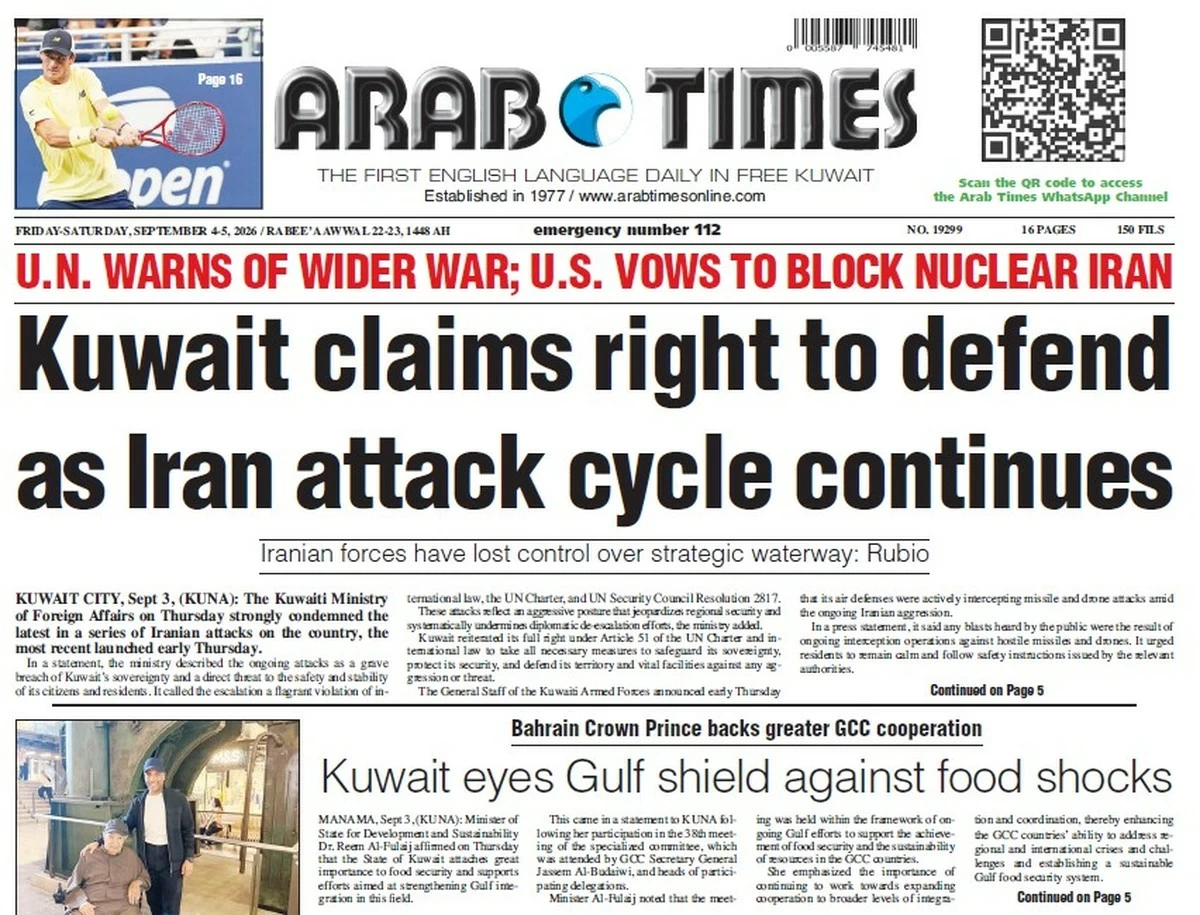
This ruling class inflicted famine and poverty upon the people, strained relations with other nations, and got deeply involved in terrorism. The world’s political elites at the time overlooked this fact due to the expedient interests that shaped the attitude of many leaders and governments. The Iranian regime exploited this situation by establishing more proxies in the region to serve its sectarian agenda under the guise of “supporting the oppressed around the world,” while the truth was the opposite. Since 1979, the whole world has been suffering from the natural consequence of a short-sighted vision for the global future, particularly in the context of the Cold War, which laid the foundation for many contradictions that caused immense suffering for nations and peoples. Therefore, the world is now witnessing the culmination of this in the deterioration of regional and global security. The Iranian regime, now despised by majority of its people, continues to perpetrate terrorist attacks against its neighbors, threaten energy security, and exacerbate the losses of the global economy.
The Iranian regime is, in one way or another, committing genocide by halting the export of fertilizers, which are essential for global food security. The actions of this regime not only undermine the regional security of the Gulf, but also threaten international peace and security, and intensify the poverty and famine among some 90 million Iranians seeking a solution. It seems the world is repeating the same mistake it made in 1991 when the majority of Iraqis rose up against Saddam Hussein. At the time, the ‘international coalition’ turned a blind eye to the genocide perpetrated by Saddam’s army to crush the uprising, prolonging the suffering of the Iraqi people until 2003.
The international community has also failed to support the nine popular uprisings in Iran since 1979. Any one of these uprisings could have toppled the Iranian regime. The international community’s inaction allowed the regime to suppress them and prolong its rule. Today, the situation is even more dangerous, especially with the Iranian regime’s increasing use of economic and political terrorism and its blackmailing of neighboring countries and even the entire world. If this issue is not addressed decisively, it will plunge the world into decades of instability.
As I stated previously, the continuation of this situation will lead to a major global economic crisis that could lead to a catastrophic collapse, far worse than the hyperinflation of the 1920s, which paved the way for World War II. The only solution for global stability is to encourage the Iranian opposition and all of its factions to overthrow the current regime. Otherwise, things will go from bad to worse, which will not lead to world peace. Is the international community ready for this process or it will prolong the suffering even more? Do some major powers still believe that the time is not yet ripe for decisive action?