



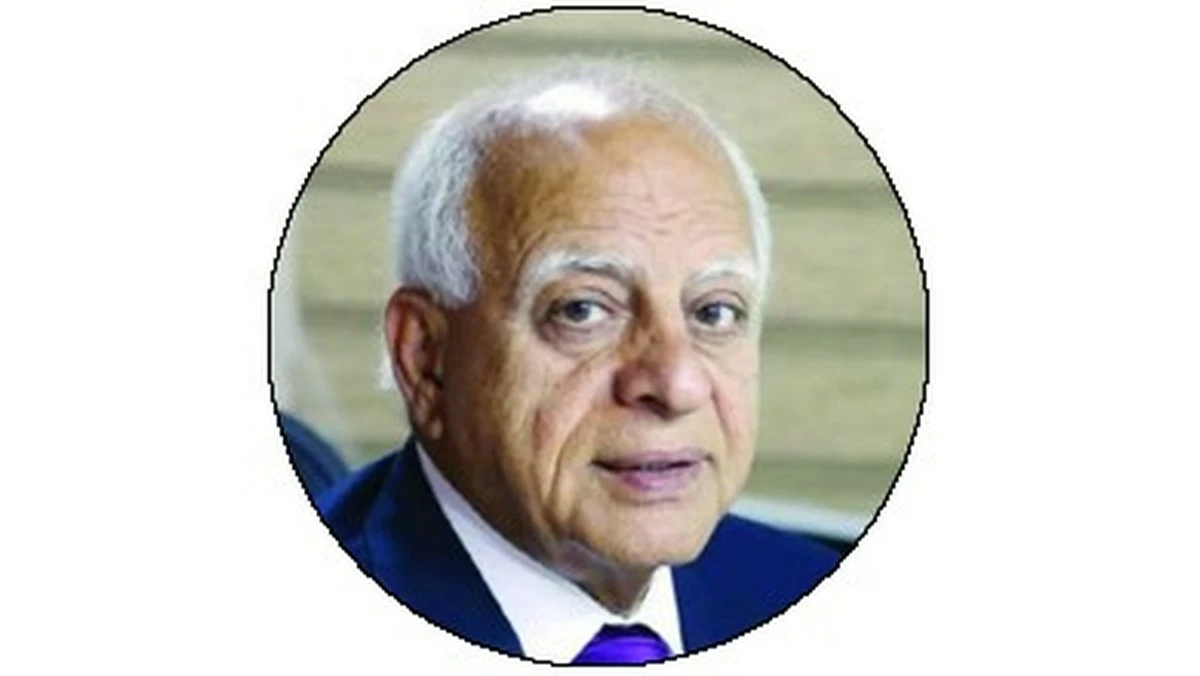

Abdolkarim Soroush, born in 1945, aka Hossein Dabbagh, is considered one of Iran’s most prominent intellectuals. He abandoned his studies in Chemistry and Pharmacy in London to pursue philosophy, dedicating himself to writing and exploring topics related to religion, democracy, and enlightenment. Along with thinker Ali Shariati, Soroush was among the wellknown cultural figures who opposed the Shah. He fled the country, returning after the revolution to hold important positions. He later devoted himself to research and study, and authored thirty books, many of them controversial, as well as numerous articles and research papers .
Some of his works have been refuted due to their significance and his extensive expertise in Western studies, including history, philosophy of science, theology, religious exegesis, and jurisprudence. Among the accusations leveled against him is his advocacy for applying modern scientific methods to the study of religious knowledge. Soroush believes that religious knowledge is human in origin rather than divine, as it pertains to the subjects addressed by religion. Therefore, he maintains that it is inappropriate to equate it directly with divine religion. He sought to interpret religious texts within the framework of historical development, aiming to humanize religion to make it serve humanity. Due to Soroush’s academic, religious, scientific, and philosophical stature, an “open letter” attributed to him circulated on social media, addressed to the new Iranian Supreme Leader.
While I found no verification of its authenticity, certain passages from the letter are valuable for thoughtful reflection, especially in times of peace. Soroush addressed the new Supreme Leader of the Iranian Revolution, stating, “I could have sent this message privately, so it would reach you without others present. However, I believed it wiser not to hide what is evident. I restrain my anger as much as possible. Deeply concerned for the future of the country and troubled by the destructive incompetence afflicting Iran, I patiently curb the rebellion of my pen, separating sound advice from harsh words. I speak gently and humbly, hoping to guide and influence a heart with my counsel.
Listening to the people’s criticism is your duty in public, not only in private. You hold countless gatherings to support the ‘Guardianship of the Islamic Jurist,’ yet you convene no meetings to examine its flaws or critique it. You have hundreds of writers praising and flattering you in newspapers, on radio, and on television. Tolerate a single critic, even encourage them to publicly point out shortcomings. You will lose nothing by facing the harshness of criticism. Let universities truly be centers of learning. Do not allow the mouths and spirits of students to be silenced. Let ideas clash. Do not fear the loss of faith among the youth.
The greatest enemies of faith are tyrants, not critics. Look at the West, which has endured some of the harshest opposition to religion for three centuries. Yet their knowledge-based religiosity continues to grow and endure, and their churches still shine brightly. Wherever justice, creativity, mercy, and freedom exist, God is present. The God we know and worship embodies these qualities. If you fill society with justice, mercy, and creativity, it will become a divine society. Do not take pride in superficialities or appearances, nor trade truth for metaphor. Open the door to dialogue with the people. Answer their questions openly. Do not fear the abundance of criticism and messages. The more justice is upheld, the fewer critical messages there will be.
The least one can do to respect the rights of the people is to listen to them and give their concerns due consideration. Keep this door open, for it offers countless avenues for resolution . Recognize the value of these impartial voices. In conclusion, I remain indebted to the words of the great poet Saadi Shirazi, who opened the door to dialogue between the people and the ruler - ‘The king who upholds the rights of the people is entitled to tribute, for it is in return for his care of the people.’ How much Iran needs such a discourse now, as the guns have fallen silent.”
By Ahmad alsarraf
email: [email protected]
email: [email protected]