



19/04/2026

Share:
19/04/2026
Share:

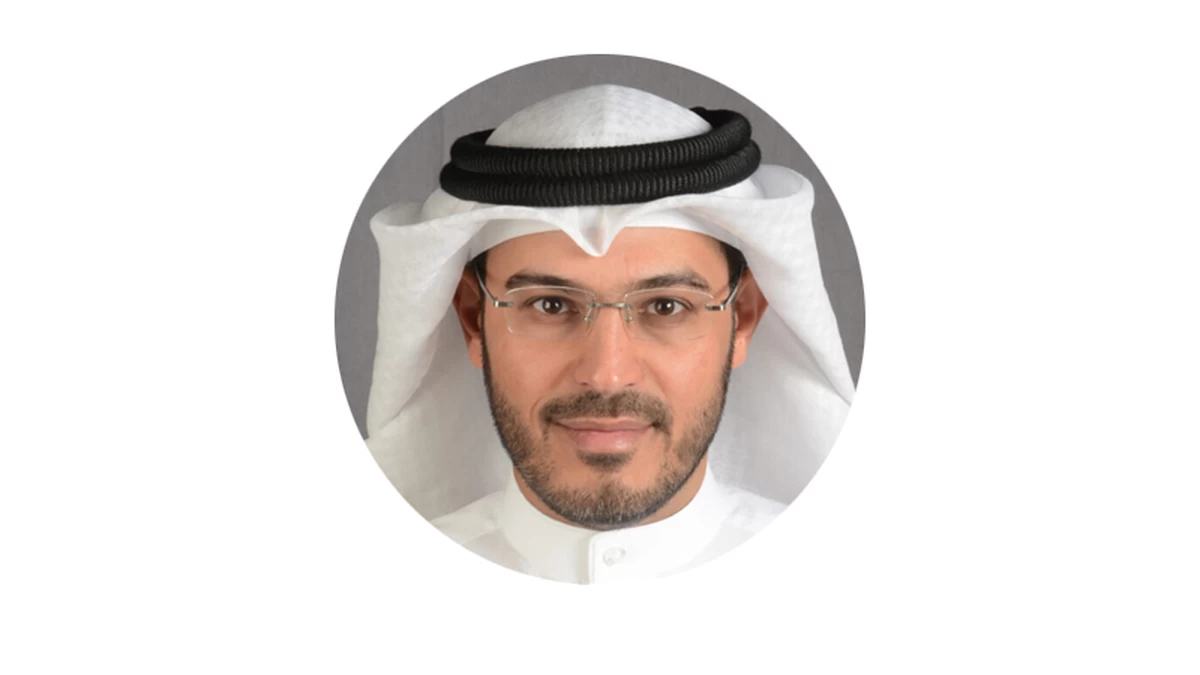
Lawyer Abdulrahman Al-Houti
In light of the increasing complexity of the business environment and the growing interconnection between legal, economic, and regulatory dimensions, the role of the lawyer is no longer confined to providing legal opinions or managing disputes. Rather, it has evolved into that of an active partner in institutional decision-making. This transformation was the focus of a recent interview with Abdulrahman Al-Houti, Managing Partner of the law firm, featured on the Legal 500 platform, which shed light on a new phase in legal practice in Kuwait
“The lawyer’s role is no longer limited to offering legal advice … but extends to contributing to decision-making within institutions.”
Al-Houti emphasized that the legal profession is undergoing a fundamental transformation in both its nature and function, driven by rapid changes in the economic landscape and the evolution of regulatory frameworks – particularly in markets reliant on large-scale projects and long-term investments, such as Kuwait. He explained that the lawyer is no longer merely a provider of legal opinions or a representative in disputes but has become an integral component in supporting corporate decision-making through risk analysis, evaluation of alternatives, and contributing to the legal and commercial structuring of transactions and projects.
“The true value of legal counsel today lies in understanding the decision itself… not merely interpreting the text.”
He further noted that the challenges faced by companies today are no longer purely legal in nature; rather, they are closely linked to economic and operational factors, such as liquidity pressures, fluctuations in execution costs, and delays in payments. These factors have a direct impact on long-term contractual arrangements. He added that such developments have led to a notable increase in contract renegotiations and a rise in contractual disputes, necessitating that companies adopt a more flexible approach in managing their obligations while preserving their legal positions.
“Balancing the protection of rights with the continuity of commercial relationships is the most significant legal challenge.”
Al-Houti highlighted that the real challenge lies in achieving a precise balance between safeguarding legal rights on one hand and maintaining ongoing commercial relationships on the other. This requires a more advanced role for legal advisors – one that goes beyond textual interpretation to a deeper understanding of business dynamics. In this context, he noted that law firms poised to excel in the coming phase will be those that successfully transition to a more structured and professional model, grounded in sector specialization, knowledge management, and the provision of integrated legal services that support decision-making rather than merely reacting to it. He also affirmed that technology now plays a significant role in enhancing legal services, whether by accelerating access to information or improving operational efficiency. However, it remains a supportive tool that cannot replace human expertise and professional judgment, particularly in complex matters requiring strategic insight. Al-Houti added that the firm is actively developing its business model in alignment with these transformations by strengthening its capabilities in infrastructure, investment, and dispute resolution, as well as expanding cooperation with international entities to better serve clients in cross-border matters.
“The next phase in the legal profession is not about expansion in size… but advancement in impact.”
This vision comes at a time when Kuwait is seeking to enhance its position as a regional investment hub under Vision 2035, thereby creating new opportunities for businesses while simultaneously increasing the demand for legal advisors capable of shaping decisions, rather than merely commenting on them.