



28/09/2026

Share:
28/09/2026
Share:
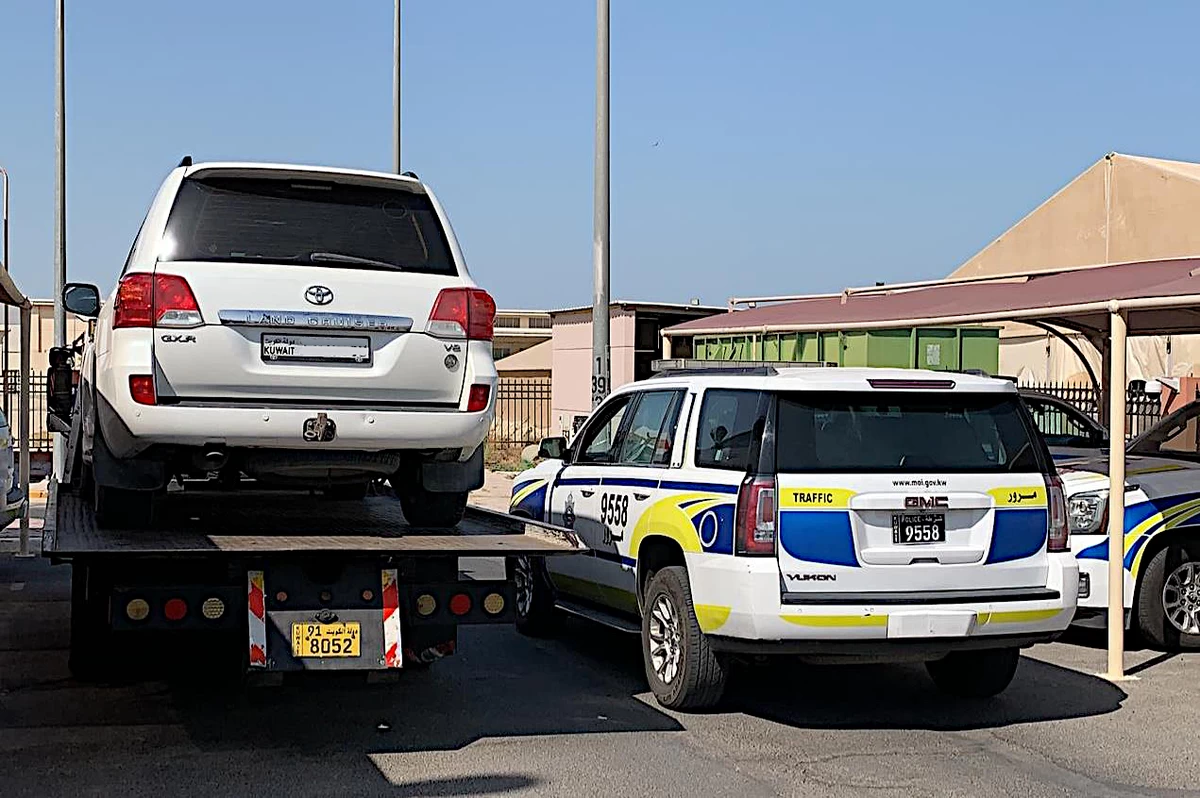

KUWAIT CITY, Sept 28: If your vehicle has been impounded by Kuwait’s Traffic Department, getting it back requires completing the necessary legal procedures, settling outstanding violations and obtaining the required release authorization.
The exact procedure can depend on the reason for the impoundment and whether the vehicle has been taken to an official impound yard or placed under the newly introduced smart home impoundment system.
If your vehicle is in the traffic impound yard
Step 1: Settle the traffic violations
The first step is to settle the traffic violations associated with the impoundment. The General Directorate of Traffic says fines can be paid through its electronic services or through the Traffic Violations Investigation sections at Traffic Department offices in the governorates.
For some serious violations, the driver may have to visit the relevant Traffic Violations Investigation section because the case may involve administrative withdrawal of the vehicle licence, driving licence or number plates, or may require further legal action.
Step 2: Obtain the vehicle release letter
Once the required violations and procedures have been completed, the vehicle owner or authorized person must obtain the vehicle release letter (كتاب الإفراج عن المركبة) from the relevant Traffic Violations Investigation section.
Step 3: Prepare your documents
The Traffic Department has stated that people seeking release of an impounded vehicle must bring the required official documents, including:
- Civil ID
- Valid driving licence
- Proof of vehicle ownership
The Traffic Department also requires completion of all applicable legal procedures and settlement of violations owed by both the driver and owner where applicable.
Step 4: Go to the vehicle impound garage
After obtaining the release letter, go to the Vehicle Impoundment Garage, where vehicles impounded by Traffic patrols are held.
Step 5: Pay the impound-yard fees
Before the vehicle is released, the applicable ground/impound fees must be paid.
Under Kuwait’s Traffic Law, the basic impoundment expenses are KD10 for transporting the vehicle to the impound location and KD1 for each day of impoundment.
What does the law say?Article 209 of Kuwait’s Traffic Law provides that an impounded vehicle is not returned to its owner until the reason for the impoundment has been removed and all applicable fees, fines and impoundment expenses have been paid. The law generally provides for an impoundment period of up to two months unless the General Directorate of Traffic decides otherwise.
The law also provides that if an owner does not come forward to collect the vehicle and settle the amounts due within three months after the end of the impoundment period, the General Directorate of Traffic may decide to sell the vehicle by public auction, subject to the applicable legal conditions.
New option: Smart home vehicle impoundmentKuwait introduced a smart home vehicle impoundment system on September 6, 2026 for vehicles involved in violations that require impoundment.
Under the new system, a smart impoundment device is installed on the vehicle at the location where the violation occurred. The impoundment period begins at midnight on the same day, allowing the driver time to move the vehicle to the designated home-impoundment location in accordance with the approved procedures.
The Traffic Department said the smart device costs KD10 to install, while the home impoundment fee is KD2 per day. Vehicles already held at traffic impound garages can also be transferred to the smart home impoundment system to complete their remaining impoundment period, subject to the applicable procedures.
When the required impoundment period ends, the offender receives a notification through the Sahel app. The person must then visit a location designated by the Traffic Department to complete the vehicle-release procedures.
Important: not every impounded vehicle follows the same procedureThe reason for the impoundment matters. Kuwait’s Traffic Department lists several circumstances in which a vehicle may be impounded, including driving without proper registration or insurance, driving without a valid licence, dangerous or reckless driving, certain vehicle modifications, driving against traffic on major roads, excessive tinting, parking in spaces designated for people with disabilities and other violations specified under the Traffic Law and its executive regulations.
For serious violations that have been referred to court or require an administrative procedure, simply paying a fine may not be sufficient to obtain immediate release. The driver may first have to complete the relevant legal or administrative process.
In simple termsIf your vehicle is sitting in the impound yard, the basic process is:
Pay/settle the violations → complete any required legal procedures → obtain the vehicle release letter → take your Civil ID, driving licence and proof of ownership → go to the impound garage → pay the applicable impound/ground fees → collect the vehicle.
For a vehicle under smart home impoundment, the process is different because the vehicle remains at the designated location during the impoundment period, after which the owner receives a Sahel notification and completes the release procedures at the location specified by the Traffic Department
Sources:
Kuwait Ministry of Interior – General Directorate of Traffic : Vehicle Impound Garage procedures and payment of fines
Kuwait Ministry of Interior – General Directorate of Traffic: Required documents for release of impounded vehicles
Kuwait Ministry of Interior – General Directorate of Traffic: Traffic violations, penalties and circumstances permitting vehicle impoundment.
Kuwait Government – Traffic Law: Articles 209–210 covering vehicle release and impoundment expenses
for legal queries email us at [email protected]