


04/06/2026

Share:
04/06/2026
Share:

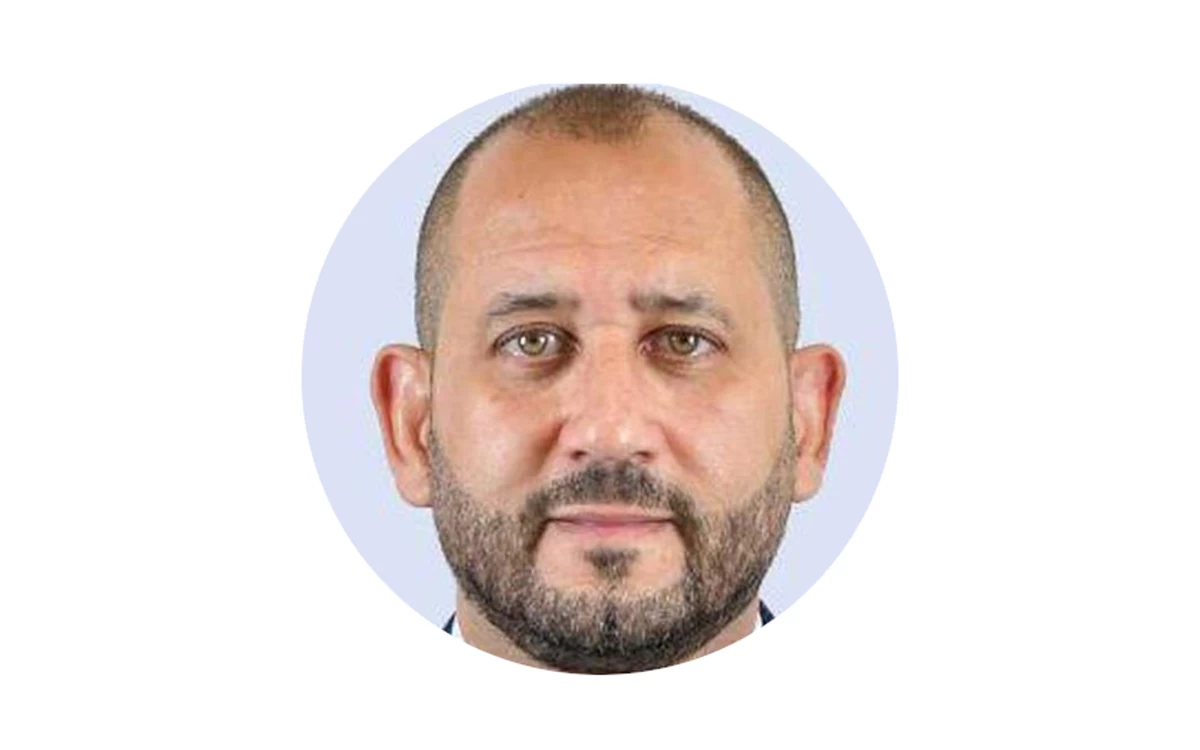
Othman Belbeisi, MENA Regional Director, International Organization for Migration
Ahead of the United Nations Convention on Combating Desertification (UNCCD) Conference of the Parties (COP17) in August and the United Nations Framework Convention on Climate Change (UNFCCC) in November, IOM is advocating for recognition of migration not only as a consequence of desertification and climate change but also as a potential solution to adapt to these environmental challenges. Across the Middle East and North Africa, climate change is no longer a distant threat. It is a daily reality shaping how people live, work, and move. Environmental pressures are transforming communities and accelerating human mobility in ways that test the resilience of societies already grappling with conflict, economic fragility, and rapid urbanization.
Gradually, a new realization is dawning: this new wave of human mobility may include more positives than negatives. Indeed, climate-driven human mobility is real and can seem disruptive if large-scale and spontaneous, but the perceived dark cloud may contain a silver lining. On this World Environment Day, we affirm that climate action, environmental protection and human mobility are not opposing forces. When managed well, they reinforce each other. Migration can be a part of climate action, and climate action can help build peace and resilience. Investing in it - including the restoration of ecosystems - means investing in people’s ability to stay, or to move safely and with dignity when needed.
From North Africa to Yemen, IOM works with local authorities to restore degraded land, strengthen water systems, and support communities whose livelihoods depend on fragile ecosystems. In Iraq, we help rehabilitate damaged infrastructure to be climate resilient while supporting displaced families to rebuild their lives. And in the Gulf, regional initiatives are exploring how skills mobility partnerships can channel talent into the green sectors that will power the region’s future.
In December, IOM and the Bahrain Supreme Council for Environment convened officials from Gulf Cooperation Council countries, regional bodies such as the GCC Statistical Center, UN agencies, and GCC-based academic institutions in Manama to foster regional dialogue, promote data harmonization, and build capacity to address climate mobility while strengthening resilience through improved data systems. These efforts reflect a simple truth: migration is not only something to manage; it is an enabler of climate resilience and sustainable development.
Regular migration pathways, particularly those linked to renewable energy, climate-smart agriculture, and environmental restoration, can help countries meet their climate goals while offering workers safe, dignified migration opportunities.
We are pioneering initiatives that give people skills which enable them to adapt to climate change where they are or where to move, through these regular, dignified pathways. And we work with authorities to ensure that new arrivals can be incorporated. Our Urban Diagnostic Toolkit, designed for this very purpose, was first used in Agadir, Morrocco last year. Diaspora communities, too, play a vital role; mobilizing finance, knowledge, and innovation to support climate resilience in their countries of origin. Cities are where climate impacts, displacement, and inequality converge, but they are also where solutions emerge. When they are inclusive and resilient, they become not only places of refuge but spaces of opportunity, coexistence, and peace.
Resources may be getting scarcer in crowded urban centres, but supporting local governments to manage rapid urban expansion can prevent competition from escalating into conflict. Climate resilient housing, early warning systems, and green infrastructure help communities withstand recurring shocks. Most importantly, planning must be holistic: intentionally including displaced persons, migrants, refugees, and host communities. Climate change, conflict, and forced migration are reshaping urban environments across the world. In fragile settings, urban planning is not merely technical: it is political. It determines who has access to safety, services, and dignity.
The lesson is clear: climate action must confront inequality and build trust. It must strengthen the social fabric that allows communities to withstand shocks without fracturing. And it must recognize human mobility as part of the solution, not a symptom of failure. On this World Environment Day, we have a choice. We can continue treating climate change and human mobility as separate challenges, or we can embrace a more integrated, humane, and forward-looking approach. The path to resilience runs through people. And when people are empowered - whether they stay, move, or return - our region becomes stronger
By Othman Belbeisi MENA Regional Director, International Organization for Migration