


11/05/2026

Share:
11/05/2026
Share:

For more than 70 days now, people across the region have been living between headlines, rumors, statements, and uncertainty. One day, there is talk of negotiations and a possible understanding between Iran and the United States. The next day, there are warnings, military movements, and fears of escalation once again. The problem today is not only the possibility of war. It is the feeling of never knowing what comes next. People wake up every morning, checking the news before checking anything else.
Oil prices move overnight. Flights are discussed constantly. Social media becomes full of analysis, fear, and speculation. Even when life continues normally, there is a quiet tension in the background that many people can feel. What makes the situation more exhausting is the endless cycle itself. Talks begin, then stop. Mediators appear, then disappear.
Optimism rises for a few days before another statement changes the atmosphere completely. The region has become trapped between hope and uncertainty. Most ordinary people do not want conflict. They want stability. They want to work, travel, raise their families, and plan for the future without constantly wondering whether the situation around them could suddenly change. Many young people in the Gulf grew up hearing about regional tensions for years.
Today, another generation is experiencing the same feeling again. The Gulf region has spent years focusing on development, tourism, investment, culture, and economic growth. Cities are expanding. Young people are creating businesses and new ideas. Countries are trying to build stronger futures beyond oil. But uncertainty slows confidence. Even without direct conflict, instability affects the mood of the region. At the same time, diplomacy remains important. Dialogue is always better than confrontation. Even difficult negotiations are still better than silence. But diplomacy also needs clarity and seriousness.
Endless waiting creates frustration for everyone watching from the outside. Perhaps the hardest part is that people are slowly becoming used to living under pressure. Tension is starting to feel normal. That may be the most dangerous thing of all. The region does not need more fear. It needs stability, wisdom, and genuine efforts to reduce tensions before uncertainty becomes the permanent reality of daily life.
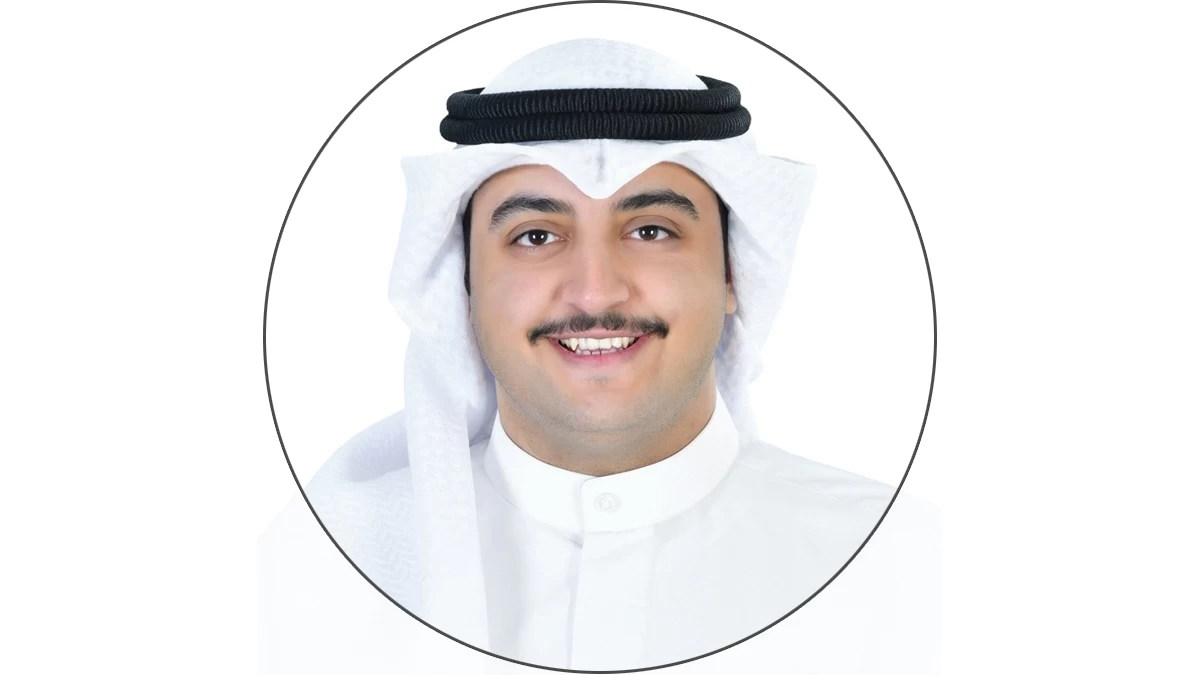
By Nasser Al-Hajeri