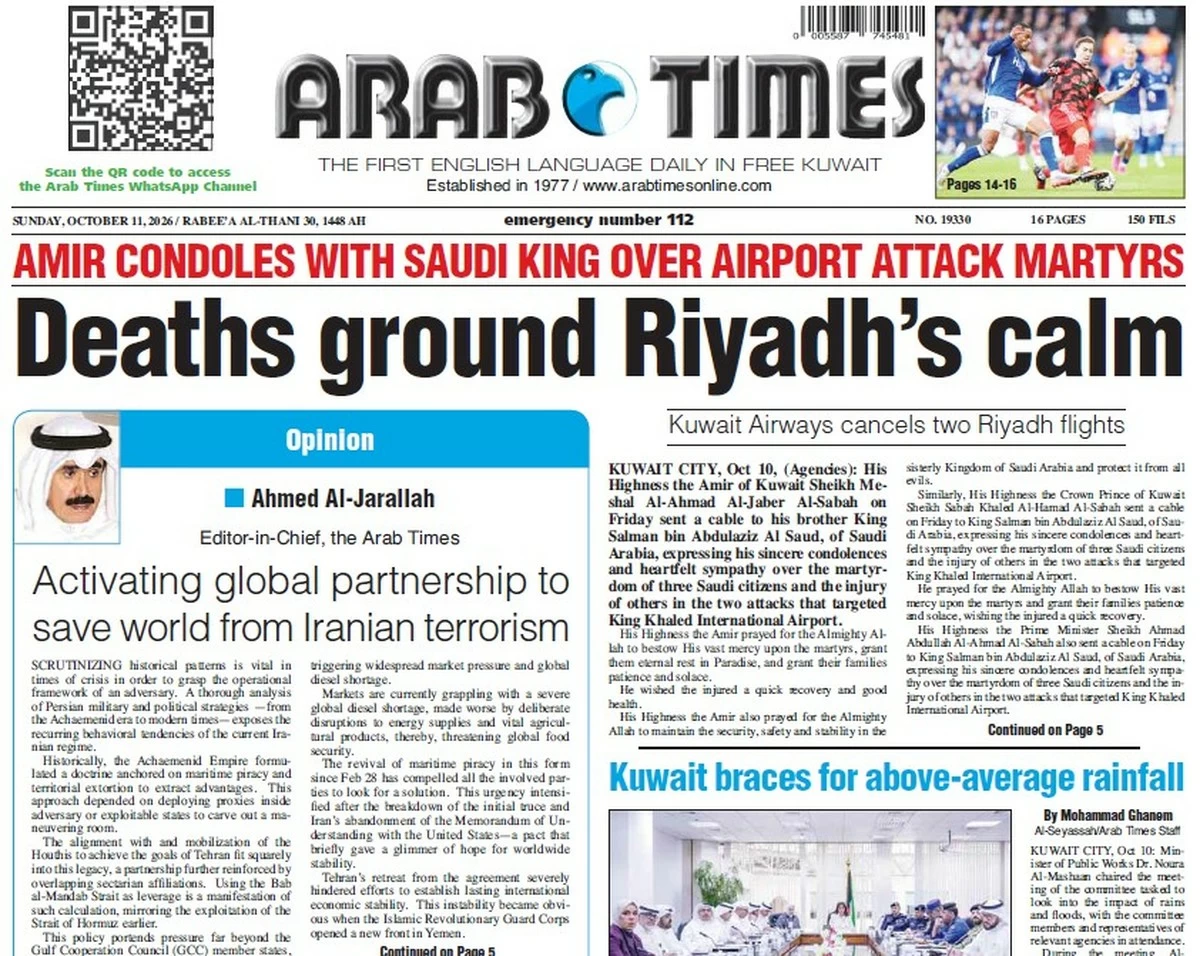





Scrutinizing historical patterns is vital in times of crisis in order to grasp the operational framework of an adversary. A thorough analysis of Persian military and political strategies —from the Achaemenid era to modern times—exposes the recurring behavioral tendencies of the current Iranian regime. Historically, the Achaemenid Empire formulated a doctrine anchored on maritime piracy and territorial extortion to extract advantages. This approach depended on deploying proxies inside adversary or exploitable states to carve out a maneuvering room. The alignment with and mobilization of the Houthis to achieve the goals of Tehran fit squarely into this legacy, a partnership further reinforced by overlapping sectarian affiliations. Using the Bab al-Mandab Strait as leverage is a manifestation of such calculation, mirroring the exploitation of the Strait of Hormuz earlier.
This policy portends pressure far beyond the Gulf Cooperation Council (GCC) member states, threatening the international community in general. Excessive crude price hikes caused heavy strains on consumers around the world. This situation is exacerbated by the disruption of global energy fl ows and major agricultural inputs like fertilizers, triggering widespread market pressure and global diesel shortage. Markets are currently grappling with a severe global diesel shortage, made worse by deliberate disruptions to energy supplies and vital agricultural products, thereby, threatening global food security. The revival of maritime piracy in this form since Feb 28 has compelled all the involved parties to look for a solution.
This urgency intensified after the breakdown of the initial truce and Iran’s abandonment of the Memorandum of Understanding with the United States—a pact that briefly gave a glimmer of hope for worldwide stability. Tehran’s retreat from the agreement severely hindered efforts to establish lasting international economic stability. This instability became obvious when the Islamic Revolutionary Guard Corps opened a new front in Yemen.
The move aims to undermine relations between Iran and Arab Gulf nations, enabling Tehran to persist in its economic extortion of the regional and global powers. A regression of this nature could plunge the international order back into the 18th and 19th centuries— a period when maritime terrorism, characterized by acts of plunder, violence and piracy, was routinely utilized to realize political and military objectives. In an era marked by rapid technological advancements and extensive disruption fueled by the Iranian regime, the global community cannot afford to tolerate such coercive maneuvers.
This vulnerability is magnified as the world economy struggles against compounding pressures, including the ongoing war between Russia and Ukraine and heightened regional volatility, exacerbated by domestic political maneuvering within the United States, Israel and Iran. Under these conditions, inaction is unviable considering a rogue terrorist entity is advancing its objectives through proxies deployed in Yemen, Iraq and Lebanon. Moreover, incessant aggression aimed at Saudi Arabia and important maritime lanes like the Strait of Hormuz and Bab al-Mandab Strait could further destabilize the global economy. A strategic opening now exists to neutralize Iran’s Houthi proxy in Yemen by fully mobilizing regional and international security frameworks around Gulf nations, particularly Saudi Arabia.
These mechanisms include the Kingdom’s status as a major non-NATO ally, the Joint Arab Defense Treaty, bilateral defense agreements, Islamic Military Counter-Terrorism Coalition, Coalition to Restore Legitimacy in Yemen, multinational maritime defense coalition and operation of the ‘Makkah Alliance’. Mobilizing this comprehensive network of partnerships extends beyond safeguarding Saudi Arabia, as it is imperative for maintaining international peace and stabilizing the global order. Neutralizing Iran’s Houthi proxy in Yemen could complete the mobilization of Gulf-centered security alliances, with Saudi Arabia playing a crucial role. Dismantling the Houthi menace to global security will deal a decisive blow to the Iranian regime’s regional influence, thus, establishing the long-awaited peace, because even the grandest transformations originate from simple and careful steps.