


Religious freedom has always been one of Kuwait’s constitutional strengths. Yet in today’s world, constitutional guarantees alone are no longer enough. As security threats become more sophisticated and financial networks increasingly transcend borders, protecting places of worship requires more than good intentions -it requires modern governance. That is precisely what Kuwait has begun to build.
The enactment of Law No. 72 of 2026, together with the implementation of security surveillance requirements under Law No. 61 of 2015 and the continued enforcement of criminal laws protecting national security, further to establishing homeland security criminal court which issued several major critical judgments, represent a significant shift in the way places of worship are regulated. Considered separately, these developments may appear administrative. Viewed together, they reveal something far more important: Kuwait is establishing, for the first time, a unified governance framework for licensed places of worship.
For many years, different religious institutions often operated under differing administrative arrangements. While freedom of worship remained protected, there was no comprehensive legislative framework establishing common standards for governance, financial accountability and regulatory oversight across licensed places of worship. Law No. 72/2026 changes that by introducing a single legal framework applicable to all licensed places of worship, whether mosques, churches or other recognised religious institutions. It creates specialised supervisory bodies, establishes licensing and inspection procedures, requires transparent financial management and clearly defines the legal responsibilities of those entrusted with administering these institutions.
The law also draws clear legal boundaries. Places of worship are protected spaces for faith and community service, not platforms for sectarian incitement, political mobilisation or activities beyond their lawful purpose. Financial resources must be managed transparently through official banking channels, while governance obligations and regulatory oversight strengthen public confidence in these important institutions.
Within that broader framework, the implementation of security surveillance should be understood for what it is: a measure to protect worshippers and preserve public safety, not to interfere with religious practice. Like airports, hospitals and schools, places of worship deserve effective security systems capable of protecting lives and preserving evidence whenever incidents occur. The law requires approved surveillance systems, the retention of recordings and compliance with nationally prescribed security standards.
Recent criminal cases involving allegations of unlawful financial support for prohibited organisations have further underscored why governance matters. Regardless of the motives advanced by those involved, Kuwait’s legal system has demonstrated that charitable and religious channels cannot be exploited in ways that threaten national security or violate criminal law. Every case is determined on its own evidence before the courts, but the broader lesson is clear: transparency and accountability are no longer optional, they are essential safeguards for both society and legitimate religious institutions.
Kuwait’s reforms also reflect an international trend. Around the world, governments have strengthened governance frameworks for religious and charitable institutions to combat terrorist financing, money laundering and foreign interference while preserving freedom of religion. Effective governance and religious liberty are not competing values; each reinforces the other.
The true significance of these reforms therefore extends well beyond licensing procedures or security cameras. Kuwait has moved from fragmented administrative arrangements toward a coherent legal framework built upon governance, transparency, accountability and the rule of law. In doing so, it has strengthened not only national security, but also the long-term protection of religious freedom itself.
In an increasingly uncertain region, that may prove to be one of the most important legal reforms affecting places of worship in Kuwait for a generation.
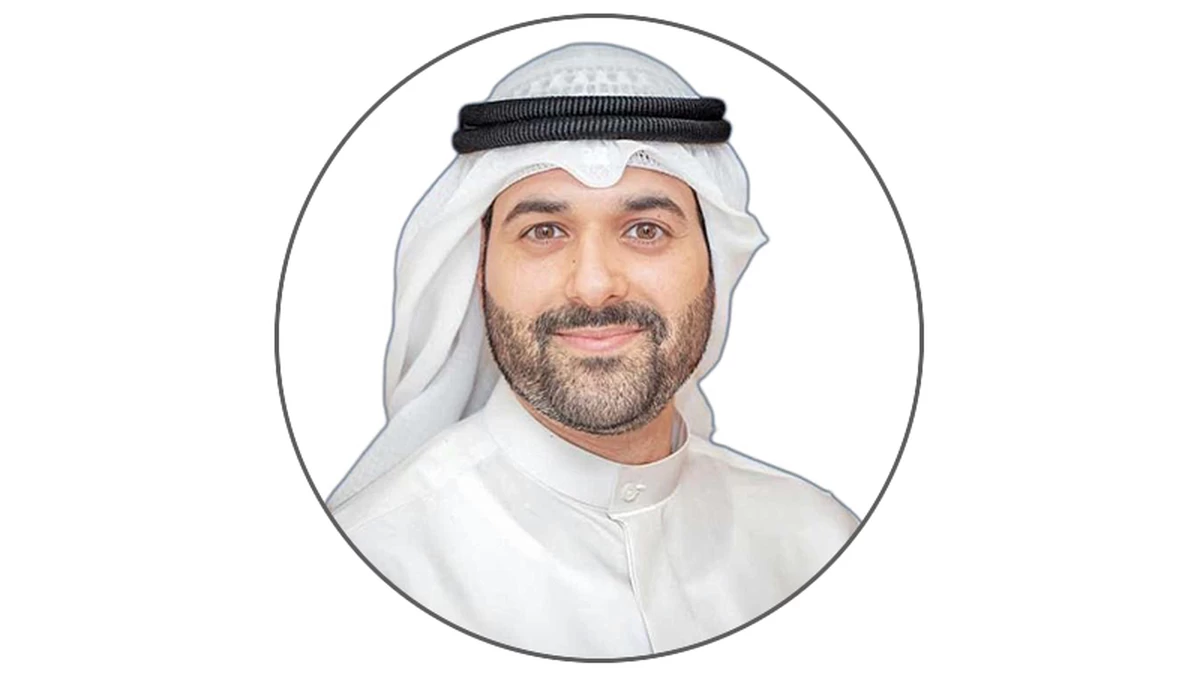
Dr. Fawaz Khaled Alkhateeb
Managing Partner, Taher Group Law Firm
Legal Strategist and Executive Educator
[email protected]