


05/09/2026

Share:
05/09/2026
Share:

As the world marks the International Day of Charity, we naturally think of donations, food, medicine and financial assistance. These acts matter and can relieve hardship and, sometimes, transform lives. But charity is larger than what we give. It can be a kind word, time given to someone who needs help, a smile that lifts another person’s spirit, or a simple gesture that preserves dignity. For those entrusted with knowledge, influence or professional power, there is another question worth asking: How can what we know and what we are capable of doing be used to make another person’s burden lighter?
For lawyers, this question carries particular significance. A person may not always need money; he may need someone to explain a right he does not understand. A worker may need help recovering what is lawfully owed to him, a family may need guidance through a legal problem they cannot navigate alone, or someone facing an injustice may simply need a professional willing to listen and point him in the right direction. Helping people understand, protect and exercise their rights can therefore be one of the most meaningful ways in which legal knowledge serves society.
There is something particularly meaningful in Kuwait’s constitutional philosophy in this regard. Article 7 of the Constitution places justice, liberty and equality among the pillars of society, while describing cooperation and compassion as bonds between citizens. The connection is important: justice and compassion need not exist in separate worlds. Kuwait’s legal framework also recognises mechanisms intended to facilitate access to justice for those unable to bear its cost, including legal assistance and, subject to statutory conditions, relief from judicial fees. The broader principle deserves reflection on this day: justice is a right, but helping another person reach justice can be an important form of service to society.
There is, however, an important distinction between charity and professional duty. Refusing to misuse the law is not an act of generosity; it is an obligation. Kuwait’s Civil Code recognises that the exercise of a right may become unlawful when it is diverted from its purpose or social function, including where the sole intention is to harm another. Procedural law likewise allows compensation where a claim or defence is pursued merely for vexation. These principles remind us that possessing a legal right, professional skill or position of strength does not justify using it simply to inflict unnecessary harm.
This does not mean that lawyers should be less determined in defending their clients. Quite the opposite. Strong advocacy and humanity are entirely compatible. A lawyer may defend a client’s interests vigorously, pursue every legitimate legal remedy and take a firm position where necessary, while remaining conscious of fairness, proportionality and the consequences of professional decisions. Professional strength is not measured only by how forcefully power can be exercised, but also by how responsibly it is used.
Our legal profession provides an even more direct expression of service. Kuwaiti law provides a mechanism under which, at the request of the competent legal aid committee or a court, the Kuwait Lawyers Association appoints a lawyer to defend a person unable to afford representation. This is significant because rights written in legislation have limited meaning if a person has no practical ability to understand or defend them. A few minutes of legal guidance, assistance with a document or representation for someone without the means to obtain it may have consequences far greater than the time given.
The principle extends well beyond lawyers. Executives, business owners, doctors, educators, public officials and professionals all possess something that another person may need: knowledge, authority, access, influence, experience or simply time. Charity therefore invites us to ask not only, “What can I give?” but also, “What can I do with what I have?” A decision not to exploit another person’s vulnerability, a few minutes spent guiding someone in difficulty, or an intervention that helps restore a person’s legitimate right may never appear in a charity report, yet its impact can be profound.
The Prophet Muhammad (peace be upon him) taught us not to consider any good deed insignificant, even meeting another person with a cheerful face. It is a simple teaching with enduring meaning: no act of goodness should be dismissed merely because it appears small. A kind word may change someone’s day, professional guidance may prevent months of hardship, and using one’s knowledge to stand beside someone facing injustice may alter the course of a life.
On the International Day of Charity, perhaps the most important reminder is that generosity does not always require wealth. Sometimes it requires knowledge, sometimes time, sometimes courage and sometimes the responsible use of the influence we already possess. Justice itself is not charity; it is a right. But helping another person reach justice, preserve dignity and secure what is already rightfully theirs may be among the most meaningful forms of service we can offer.
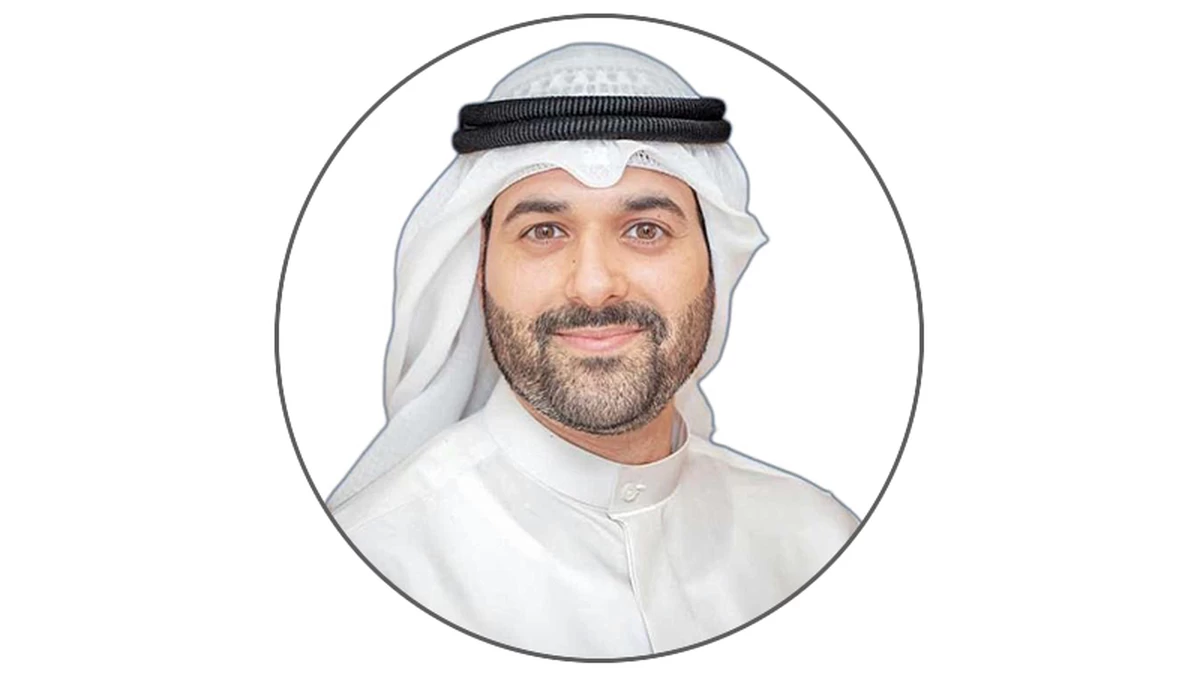
By Dr. Fawaz Khaled Alkhateeb
Managing Partner, Taher Group Law Firm
Legal Strategist & Executive Educator