



15/06/2026

Share:
15/06/2026
Share:
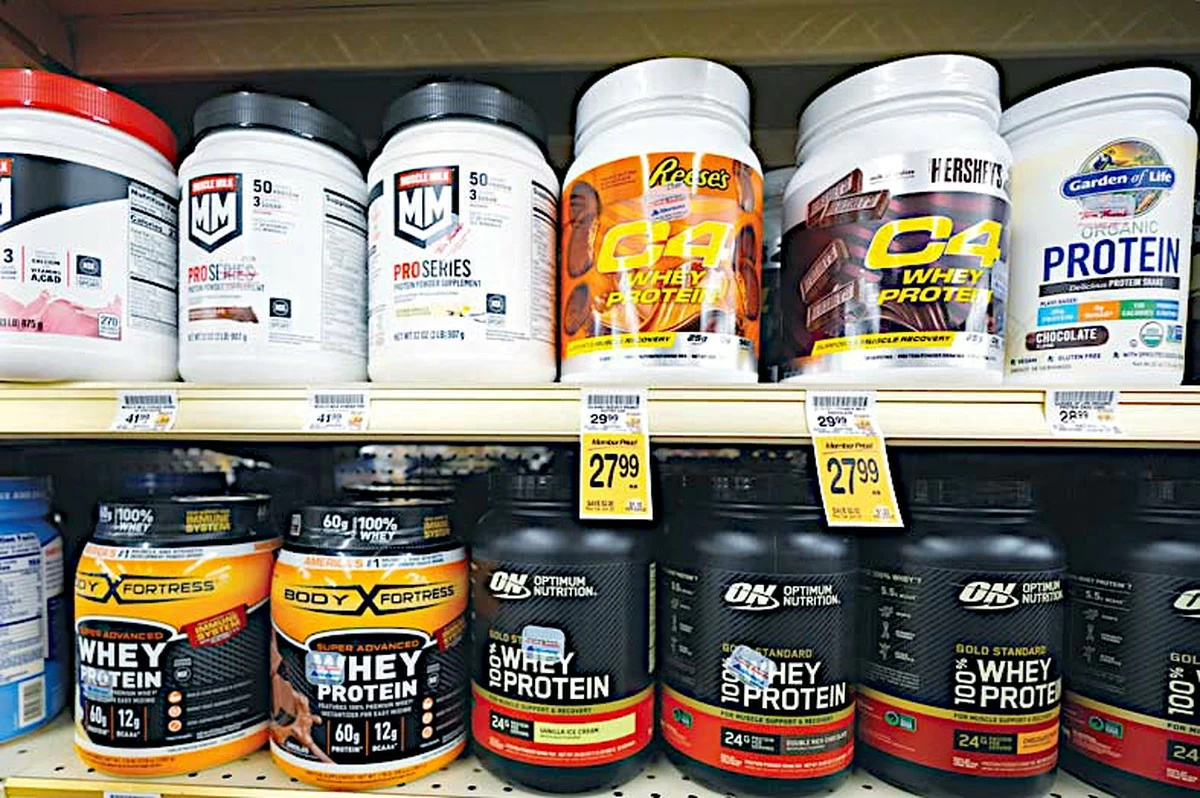

WASHINGTON, June 15, (AP): Global consumers want more protein in every bite, but the dairy industry is struggling to give it to them. Athletes and older adults have long used smoothies and shakes blended with whey protein concentrate - a powdered byproduct of cheese-making - to build or maintain muscle. More recently, food companies have sprinkled it into everything from breakfast cereals, Pop-Tarts and potato chips to bagels, tortillas and Starbucks drinks to meet growing consumer demand. The average US supermarket now has 38,708 products advertising their protein content, according to NielsenIQ, a market research company. But the eagerness to appeal to ingredient-focused shoppers is causing shortages of food-grade whey protein and pushing prices to new records. “Demand is very firm and seemingly outpacing supply for right now,” said Kathleen Wolfley, vice president of Ever.Ag Insights, a data provider and consulting company for the agriculture industry.
Wholesale prices for whey protein began rising in 2024, and the pace accelerated last year and so far this year, Wolfley said. Whey protein concentrate with 80% protein - the type often used by food makers and supplement companies as a booster - is trading on the dairy commodities market at more than $13 per pound in the U.S., up 250% from a year ago, according to Ever.Ag. Whey protein isolate, a more refined vesion that contains at least 90% protein, is 150% more expensive than last year, the company said. That’s raising prices for consumers. US prices for whey protein concentrate powder have increased by around 15% over the past year, while more premium whey isolate powder has seen steeper gains, according to Datasembly, a price-tracking company. It’s a similar story in Europe. In late May, 80% whey protein concentrate hit a new record average of 26,450 euros ($30,518) per metric ton, a price more than double from less than a year earlier, according to DCA Market Intelligence, a Netherlands- based commodity pricing firm. Here’s what’s happening with whey protein and when strained supplies might be alleviated.
Milk contains two proteins: casein and whey. During the cheese-making process, the casein - which forms solid curds - is separated from the liquid whey, which is dried to form a powder. Every pound of cheese yields nine pounds of whey, according to the US Department of Agriculture. U.S. milk consumption has fallen for decades as Americans shifted to beverages like sodas. But the appetite for cheese remained strong, Wolfley said. A nation of cheese-eaters generated a lot of whey protein, and some of the excess used to be exported to China and other countries. The domestic hunger for high protein snacks and meals is now keeping more whey protein in the U.S. for use as a food additive or a nutritional supplement. US exports of 80% whey protein concentrate and whey protein isolate to China fell 47% from January through April compared to the same four-month period a year ago, according to Vesper, an Amsterdam-based company that tracks commodity prices. “There simply isn’t enough product for the US customer, and exports have therefore been paused as much as possible,” said Jasper Endlich, a Vesper dairy analyst. China is seeking more whey protein from Europe, which also is seeing shortages thanks to reduced U.S. exports, Endlich said. Use of GLP-1 weight-loss drugs is one of the factors that has supercharged demand for whey protein concentrate, Wolfl ey said. Obesity drugs like Wegovy and Zepbound are designed to suppress the appetites of people taking them.
The foods they do eat need to be nutritionally dense, experts say. GLP-1 users often are advised to consume enough protein to help them feel full for longer and to retain muscle mass as they lose weight. Around 6% of obese and diabetic patients in the US and 2% of obese and diabetic patients worldwide were using GLP-1 drugs last year, according to an estimate by the investment bank Morgan Stanley. Some estimates have put GLP-1 use as high as 12% of the US adult population, since not everyone on GLP-1 drugs is obese or diabetic. Food and nutrition companies are creating added-protein products to attract those consumers as well as people who think drinking protein shakes to replace meals will help them lose weight. Tight supplies and higher costs have caused some manufacturers to increase the prices consumers pay for protein powder or protein-enriched products.