



04/02/2026

Share:
04/02/2026
Share:
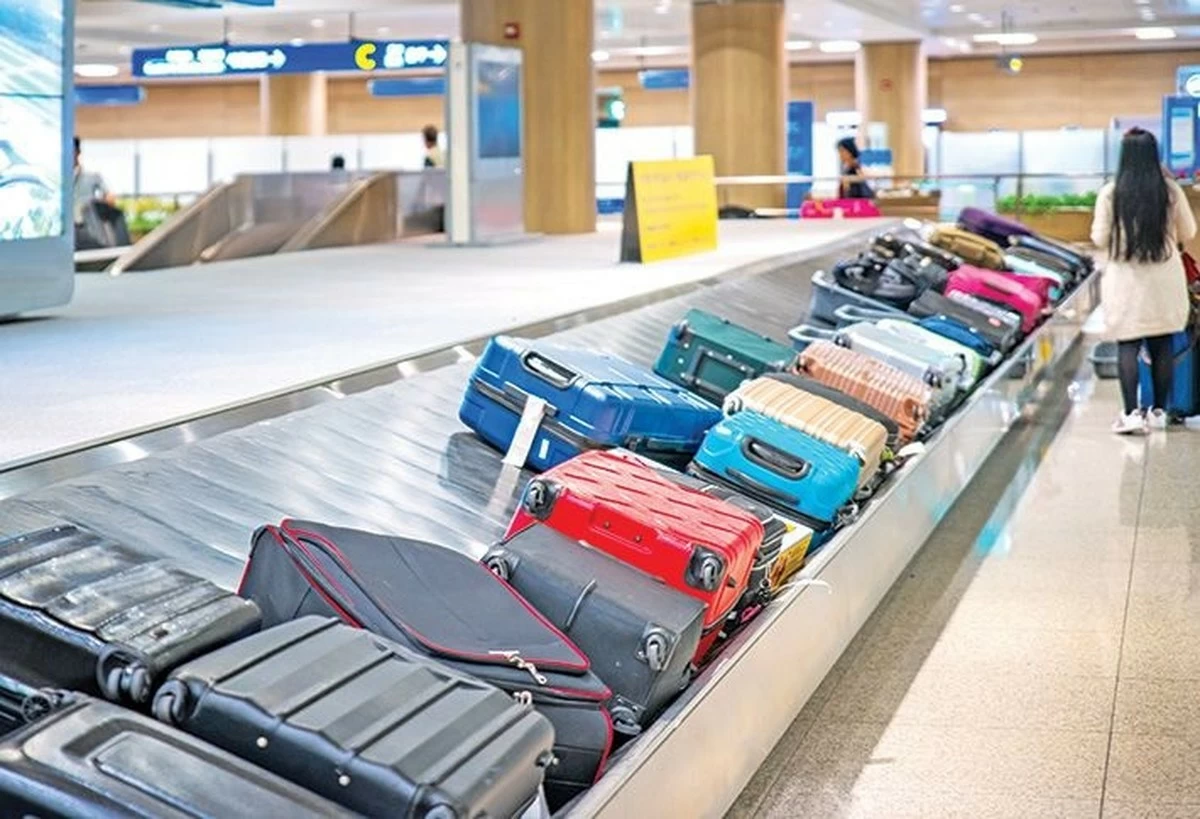

NEW DELHI, India, Feb 4: India’s Ministry of Finance has raised the duty-free allowance for international passengers, publishing the Baggage Rules, 2026 in an extraordinary gazette late on 1 February. Effective 00:01 hours on 2 February, the threshold for Indian residents and persons of Indian origin returning by air or sea has increased from ₹50,000 to ₹75,000. Foreign tourists now enjoy an exemption of ₹25,000, up from ₹15,000.
Officials said the revision is the first major update to baggage limits in a decade and reflects both inflation and efforts to streamline border procedures ahead of an expected 350 million annual air-traveller milestone by 2028.
The rules also rationalise jewellery allowances. Women who have lived abroad for at least a year may bring up to 40 grams of gold jewellery duty-free, while other passengers are capped at 20 grams. High-duty items, including tobacco, alcohol beyond two litres, firearms, large quantities of cartridges, televisions, and unstudded precious metals, remain excluded from concessions.
Authorities said the updated framework reduces customs paperwork, mitigates unexpected costs for relocated staff, and simplifies clearance for travellers carrying personal or professional equipment. Passengers must retain purchase invoices and declare restricted items using the redesigned digital customs declaration system, which links directly to immigration databases.
The Baggage Rules, 2026, also simplify Transfer of Residence (ToR) benefits by introducing a single rationalised list of duty-free articles, with overall value limits based on the duration of stay abroad:
- Up to 12 months: ₹1.5 lakh
- 1 to 2 years: ₹3 lakh
- More than 2 years: ₹7.5 lakh
The rules allow issuance of temporary import or export certificates for passengers bringing goods into or out of India without customs detention, aiding travellers with high-value or professional equipment.
Existing concessions, such as the duty-free import of one laptop for passengers over 18, have been consolidated, and regulations on importing pets have been formally included.
Officials said the reforms aim to enhance passenger facilitation, raise duty-free limits, reduce detention of goods, and simplify digital procedures, while ensuring uniform application nationwide. Customs authorities at Delhi, Mumbai, and Bengaluru airports reported a roughly 20 percent reduction in secondary inspections on the first day.
The government said the measures will improve the international travel experience, support returning residents, and strengthen India’s position as a globally connected, tourism-friendly destination.