



01/05/2026

Share:
01/05/2026
Share:

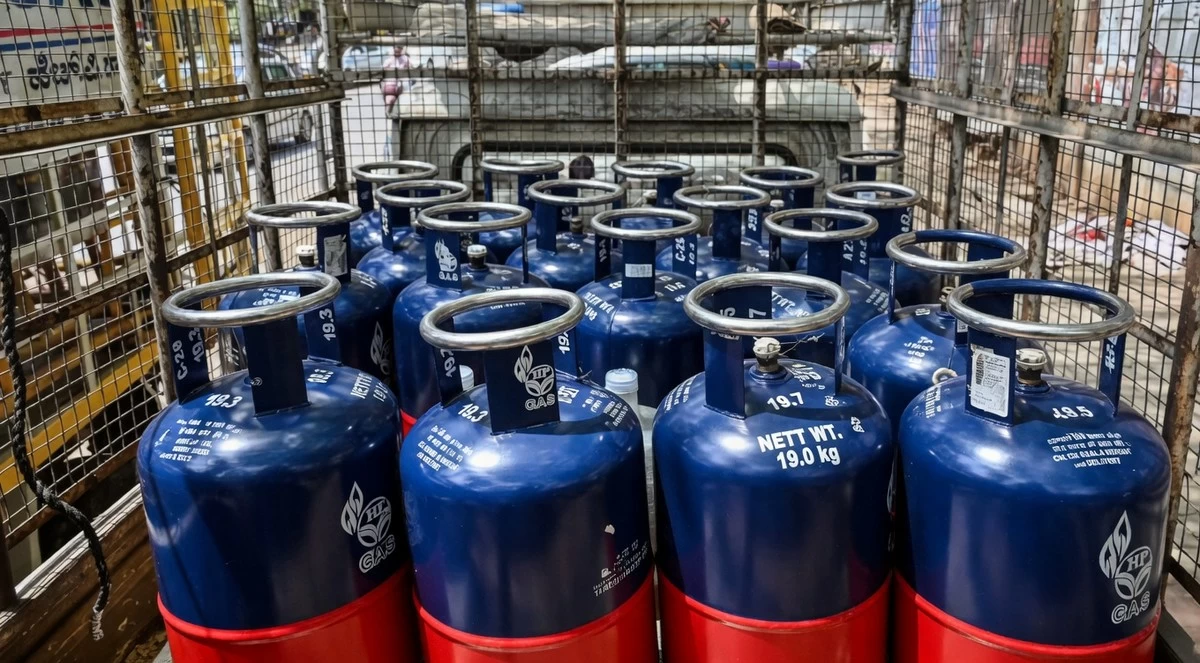
NEW DELHI, May 1: Prices of 19-kg commercial LPG cylinders and 5-kg mini LPG cylinders were increased on Friday, according to a report by ANI.
The 19-kg commercial LPG cylinder price has been raised by ₹993, while the 5-kg mini cylinder has become costlier by ₹261. Following the revision, the commercial cylinder in Delhi now costs ₹3,071.50, up from ₹2,078.50 earlier. In Mumbai, the price has been revised to ₹3,024.
The 5-kg mini cylinders, widely used in small households and street-level commercial establishments, are now priced at around ₹339 in Delhi, with similar levels in Mumbai.
The price hike comes shortly after the conclusion of elections, with critics noting that fuel price adjustments often follow political cycles. However, oil companies maintain that revisions are linked to global market movements.
State-owned Indian Oil Corporation confirmed that commercial and bulk LPG cylinders account for less than 1% of total consumption in its distribution network.
The latest increase follows similar hikes in recent months, as oil marketing companies adjusted prices in line with global fuel trends.
The sharp rise in commercial LPG costs is expected to significantly impact restaurants, hotels, bakeries, and other businesses that rely heavily on cooking gas. Industry observers say many establishments may pass on higher costs to consumers, potentially leading to increased food and dining prices.
In contrast, aviation turbine fuel (ATF) prices for domestic airlines remain unchanged, with oil companies absorbing global price pressures to stabilize the aviation sector.
According to Indian Oil, around 80% of petroleum products have seen no change in prices, about 4% have recorded reductions, while roughly 16%—mainly industrial fuels—have seen increases.
The company said the revisions reflect a “calibrated approach” by oil marketing firms to align with global benchmarks while maintaining stability in retail fuel prices.


