



20/06/2026

Share:
20/06/2026
Share:

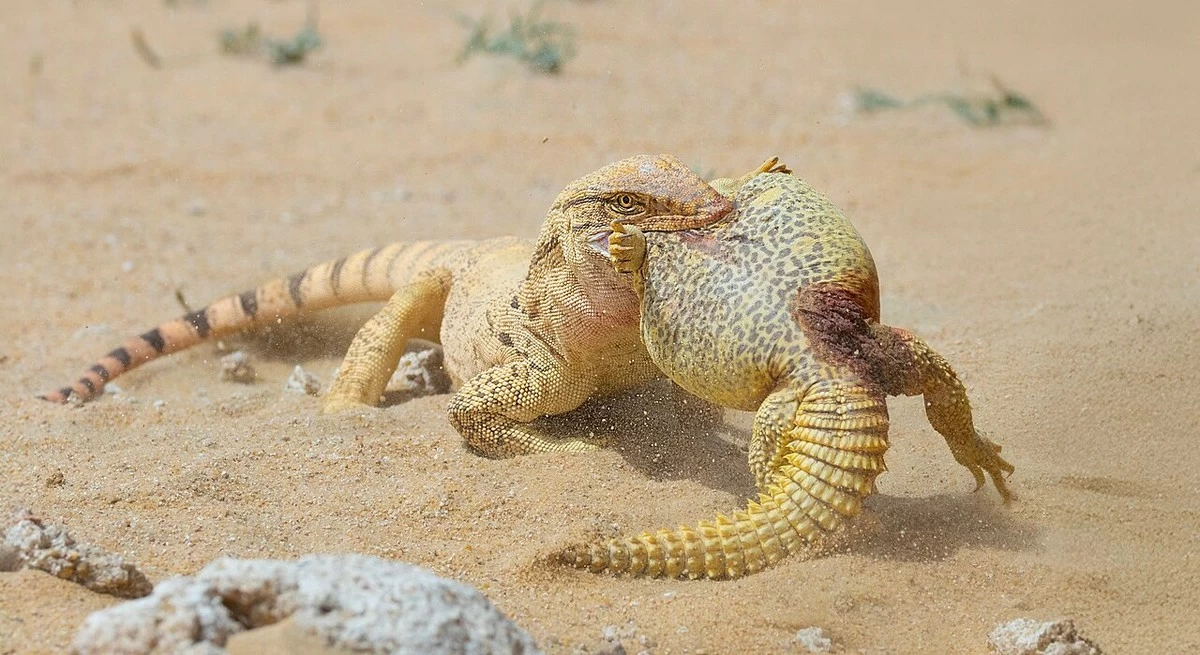

KUWAIT CITY, June 20: The free international digital encyclopedia Wikipedia launched the second edition of its photography contest “Wiki Loves Earth in Kuwait” aiming to document Kuwait’s natural heritage and preserve it digitally. Organized by Wikimedia Kuwait Group for 2026, the contest encourages citizens and residents to upload high-quality photographs to Wikimedia Commons under a free license, creating an accessible visual record of protected areas.
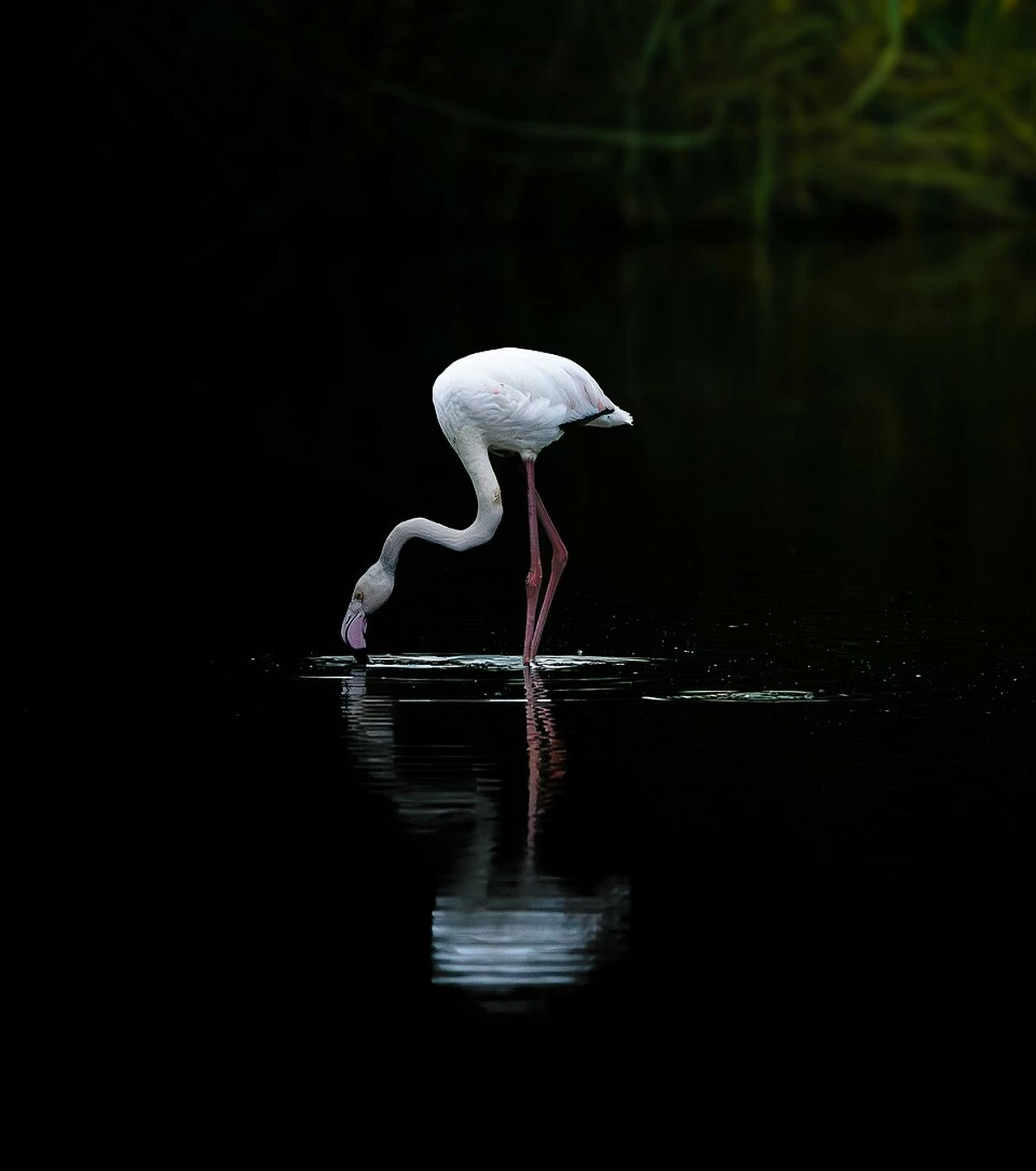
Participants will contribute to highlighting Kuwait’s unique landscapes and biodiversity to a global audience, supporting efforts to document the country’s natural heritage and enhancing public awareness through free knowledge available to everyone. The competition was launched for the first time in 2025, where two photos from Kuwait won international awards, successfully highlighting the unique and diverse natural landscapes that the country heavily enjoys.
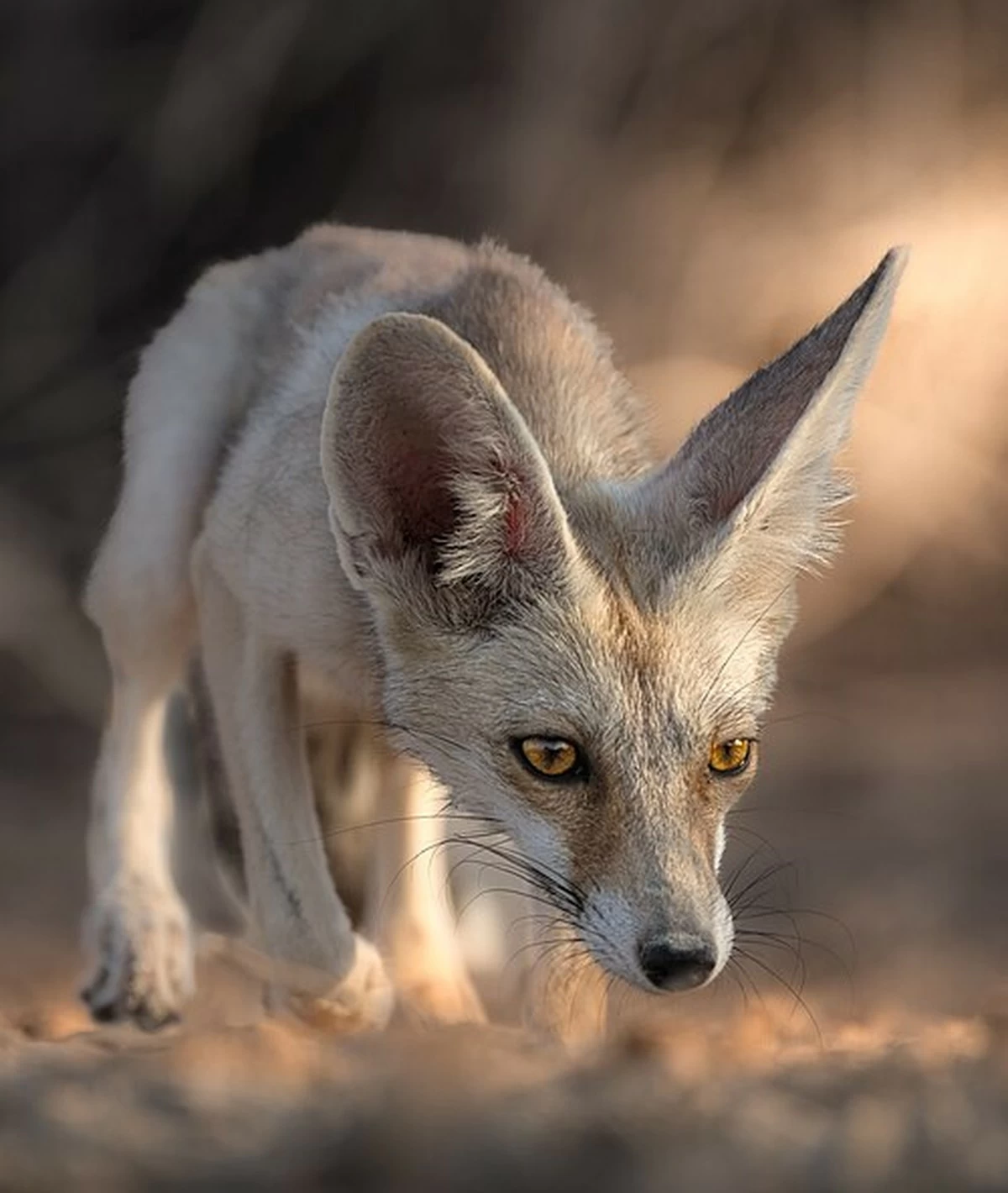
Amateurs and professional photographers can participate in this environmental competition by visiting the official campaign link: https://commons.wikimedia.org/wiki/ Commons:Wiki_Loves_Earth_2026_in_Kuwait “Wiki Loves Earth” is an international photography competition organized annually on Wikimedia Commons, inviting photographers worldwide to document natural protected areas, including national parks, reserves, and wetlands under a free public license.
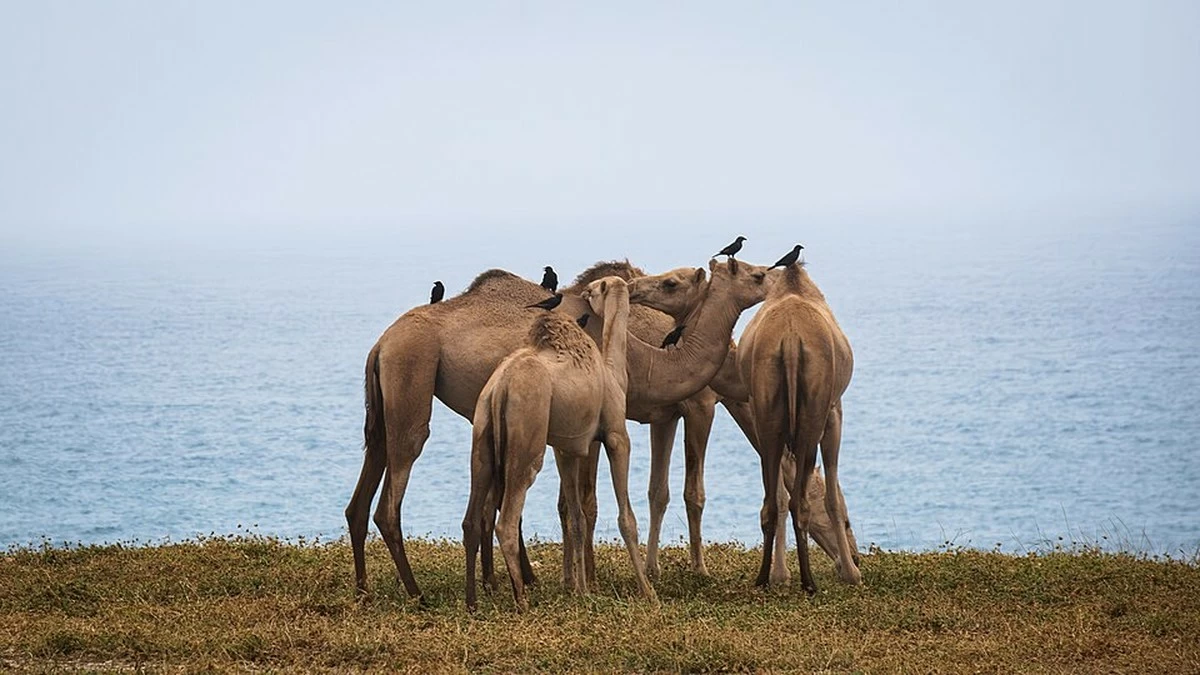
The Kuwaiti edition focuses specifically on the unique environmental diversity within the country’s protected areas, in addition to the various living species that permanently inhabit these fragile desert and marine ecosystems. (KUNA)