


27/09/2026

Share:
Trump rejected Iran's proposal because Washington believes Tehran is under greater economic pressure and needs Hormuz reopened more urgently, while the US believes it can keep shipping moving without accepting Iran's demands.
27/09/2026
Share:

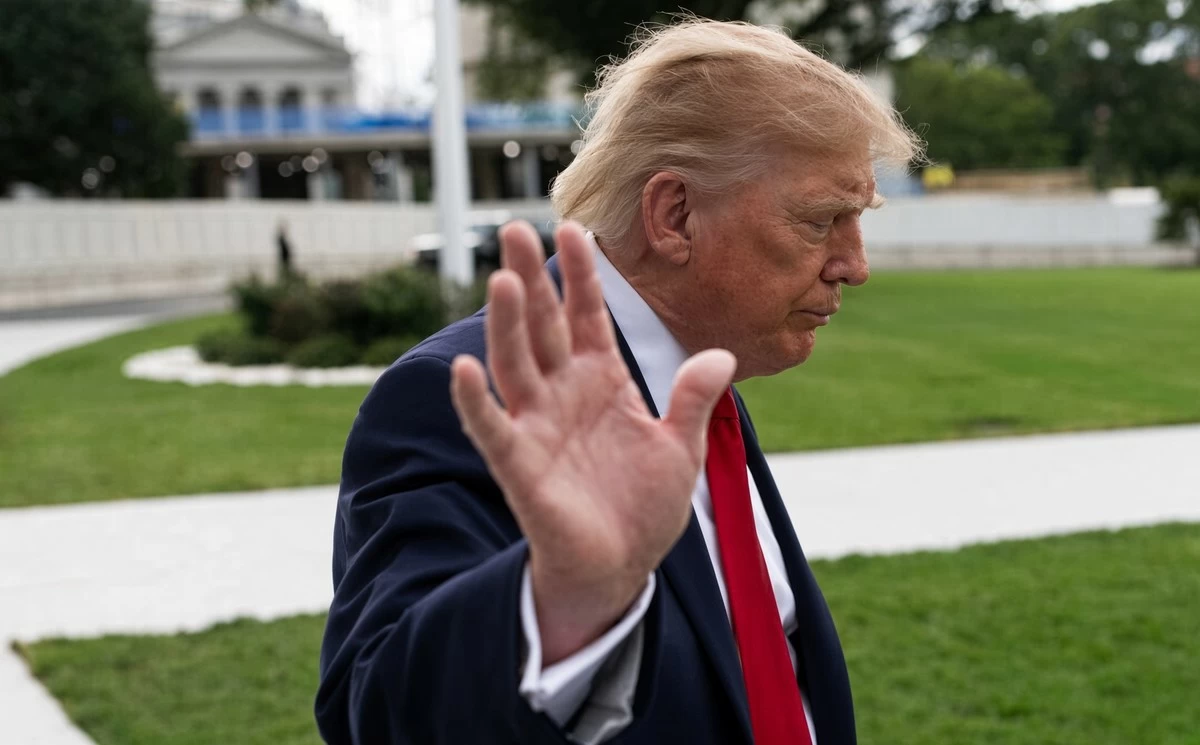
WASHINGTON, Sept 27: US President Donald Trump’s rejection of an Iranian proposal to reopen the Strait of Hormuz within seven days signals that Washington is unwilling, for now, to lift pressure on Tehran in exchange for restoring normal shipping through the strategic waterway.
Iran’s proposal reportedly called for the reopening of the strait and the resumption of nuclear negotiations in return for measures including the lifting of the US naval blockade of Iranian ports. Trump rejected the proposal on Saturday, despite the administration’s stated interest in restoring commercial shipping.
The Strait of Hormuz remains one of the world’s most important energy corridors, and disruptions there have pushed up shipping, insurance and energy costs. Iran has repeatedly presented control over traffic through the waterway as a major source of strategic leverage.
But Washington appears increasingly confident that it can keep significant volumes of commercial traffic moving without reaching an immediate agreement with Tehran.
US Central Command commander Adm. Brad Cooper said US forces had facilitated the passage of more than 2,000 commercial vessels and over 1 billion barrels of crude oil through the strait. The operation has not restored normal shipping, but it has enabled substantial oil flows to continue under US military protection.
That could reduce the urgency for Washington to accept Tehran’s terms for a full reopening of the waterway.
US pressure on Iran increasesTrump’s rejection comes as his administration continues to increase economic pressure on Iran. At the UN General Assembly, Trump called for Iran’s “complete economic isolation” and said he expected an agreement after the US midterm elections.
The United States has also expanded restrictions targeting Iranian banks, airlines and companies involved in providing services to sanctioned Iranian carriers.
Iranian airlines have faced restrictions on international routes, while foreign companies dealing with sanctioned Iranian aviation entities risk US penalties.
The developments suggest Washington believes it can continue applying economic and military pressure while managing the disruption to shipping through the Strait of Hormuz.
Hormuz remains a major pressure pointIran nevertheless retains significant leverage over the waterway. Keeping commercial traffic moving requires a substantial US military presence, while shipping and insurance costs remain elevated and the threat to vessels has not disappeared.
Diplomatic contacts between Washington and Tehran also continue through intermediaries, and Iran has indicated that it is awaiting a formal US response to its proposal.
Trump’s rejection therefore does not necessarily close the door to negotiations. Rather, it indicates that Washington is not prepared to accept Tehran’s current terms for ending the Hormuz crisis.
For now, Iran continues to view the reopening of the strait as a bargaining tool, while Washington appears to be calculating that its ability to manage commercial traffic has reduced the immediate cost of refusing that offer.