



30/05/2026

Share:
30/05/2026
Share:
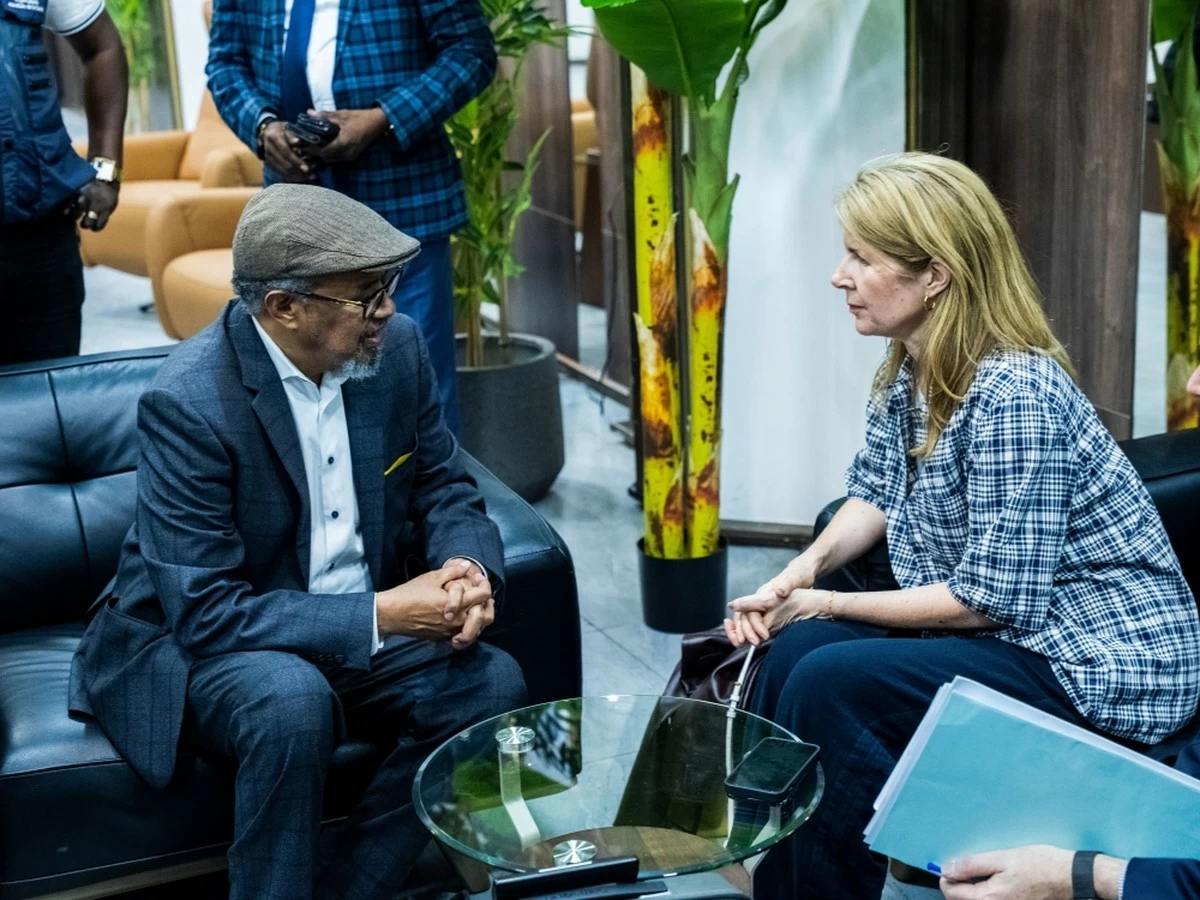

KINSHASA, Congo, May 30, (AP): The head of the World Health Organization has arrived in Congo's capital, Kinshasa, to support efforts against an outbreak of a rare type of Ebola virus, as medical personnel struggle with a lack of equipment, a distrustful population and armed groups in a volatile region. The World Health Organization said Friday authorities have reported 906 suspected cases and 223 suspected deaths.
"To come here is to really show to the community that they’re not alone," WHO Director-General Tedros Adhanom Ghebreyesus told reporters at the airport late Thursday. "Pushing orders from my comfortable office in Geneva is easy, but I’m asking my colleagues to work with the community and I am asking communities to protect themselves,” he added. The outbreak "can be stopped,” he said, but is "very complex.”
Challenges like the high number of people displaced by armed conflict in the region and food insecurity are complicating efforts to stop the spread of the virus, Tedros said. Containment has been particularly difficult because the disease likely spread for weeks before it was first identified in mid-May.
The International Federation of Red Cross and Red Crescent Societies has said three of its volunteers in Ituri province died after they were believed to have contracted Ebola doing unrelated health work on March 27 - more than a month before the first suspected death cited by the Africa Centres for Disease Control and Prevention.
Meanwhile, the outbreak continues to spread faster than the response, despite health facilities becoming more organized and the arrival of more equipment. Anaïs Legand, a researcher in the WHO emergencies program, told reporters at a UN briefing in Geneva Friday that one "positive development” was that a person in Congo who had contracted the Bundibugyo virus had recovered and was discharged on Wednesday.
It is the only documented recovery of a confirmed Ebola patient during the current outbreak. Legand said five other infected people were also likely to recover. The average fatality rate of Bundibugyo virus is around 30 to 50%, she said. Medical aid donated by the European Union arrived in Ituri, the heart of Congo’s Ebola outbreak, on Thursday, with more shipments expected over the next eight days.
The United States announced $80 million in additional aid on the same day, bringing its total commitment to more than $112 million. An AP reporter in Bunia, the provincial capital, said the response has improved since the new arrivals of aid earlier this week. At Rwampara Hospital, where a treatment center has been established, the response looks far more organized than in previous days, with more staff deployed, stronger prevention measures and teams in protective gear visible across units - though patients continue to arrive around the clock.
The same progress was noted at Bunia General Hospital, where new medical kits, support personnel and emergency funding appear to be reinvigorating operations. Health workers with scant supplies had been struggling to contain the outbreak of the Bundibugyo virus, a kind of Ebola that has no approved treatment or vaccine. In some areas, doctors have resorted to wearing expired medical masks while treating suspected patients. There are no specific treatments for Bundibugyo.