


20/08/2026

Share:
20/08/2026
Share:
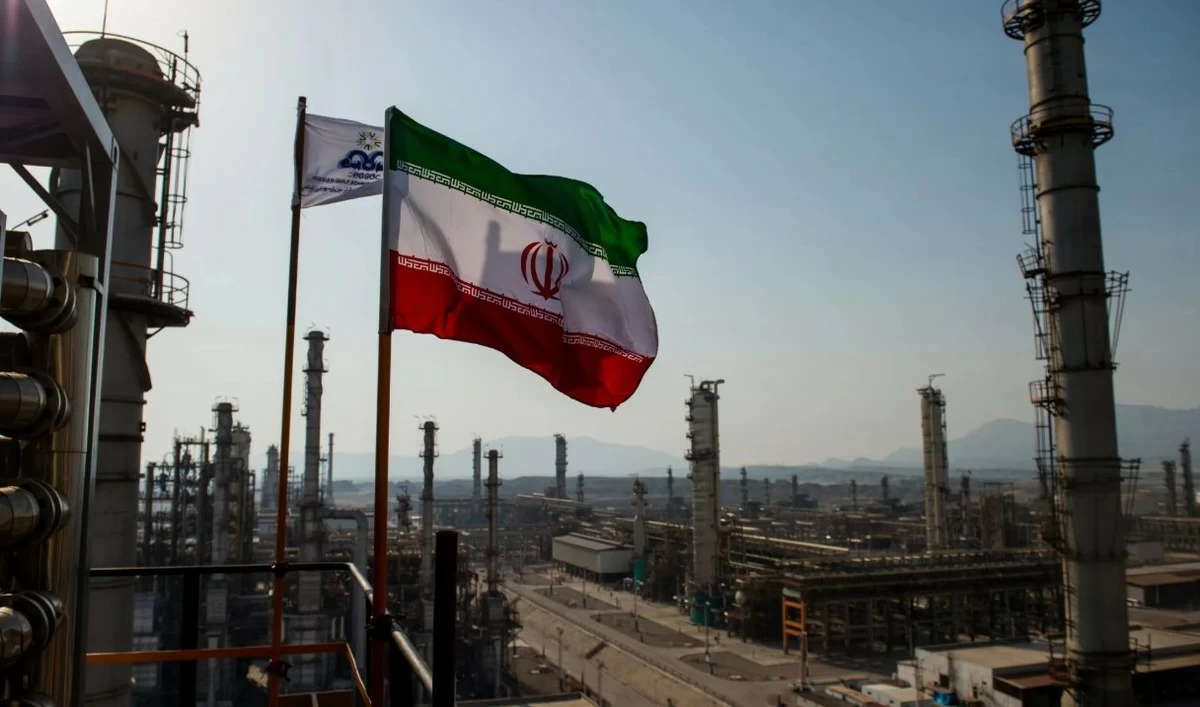

TEHRAN, Aug 20: Iran’s oil exports have fallen to zero amid the ongoing war and US sanctions, Central Bank Governor Abdolnaser Hemmati said Wednesday, warning of the severe impact on the country’s revenues.
“There is no doubt that we face restrictions on oil exports,” Hemmati said in a televised interview. “The same has happened to us, and it is a reality that we are not exporting oil.”
Hemmati said the Iranian government and Central Bank had made preparations to manage the loss of oil revenue.
He noted, however, that Iran faces a more difficult situation than some regional oil exporters because its foreign currency reserves have been frozen by the United States.
“The Americans have frozen our foreign currency reserves and do not allow us to withdraw them,” Hemmati said.
Iran Awaits Release of Frozen Funds
Hemmati also said funds that Iran expected to receive under the framework of a June agreement with Washington have not yet been released.
“The resources that were supposed to be released under this understanding have not yet been released,” he said.
The remarks came as Iran faces renewed economic pressure amid escalating military tensions with the United States and disruptions to regional trade and energy flows.
Iraq Faces Its Own Economic Pressure
Hemmati also discussed Iran’s economic ties with neighboring Iraq following a recent visit to Baghdad.
Before the war, Iran exported about $12 billion worth of goods and services to Iraq annually, including around $4 billion in government-related exports such as gas and electricity and approximately $8 billion involving the private sector, he said.
According to Hemmati, Iraq has pledged to address outstanding payments owed to Iran but is itself facing financial difficulties because of disruptions to oil revenues and the closure of the Strait of Hormuz.
He said Tehran and Baghdad had also discussed facilitating the transfer and use of Iranian funds held in an Iraqi bank.
Hemmati added that the two countries agreed to explore using resources at the Trade Bank of Iraq to support guarantees issued to Iranian contractors working in Iraq. The Iraqi prime minister approved the proposal and instructed officials to facilitate its implementation.
US sanctions have for years targeted Iran’s oil exports and access to international financial channels, seeking to limit the country’s primary source of foreign currency revenue.
Hemmati’s comments came amid renewed hostilities between Iran and the United States following the breakdown of arrangements reached under a June framework agreement.