



26/09/2026

Share:
26/09/2026
Share:
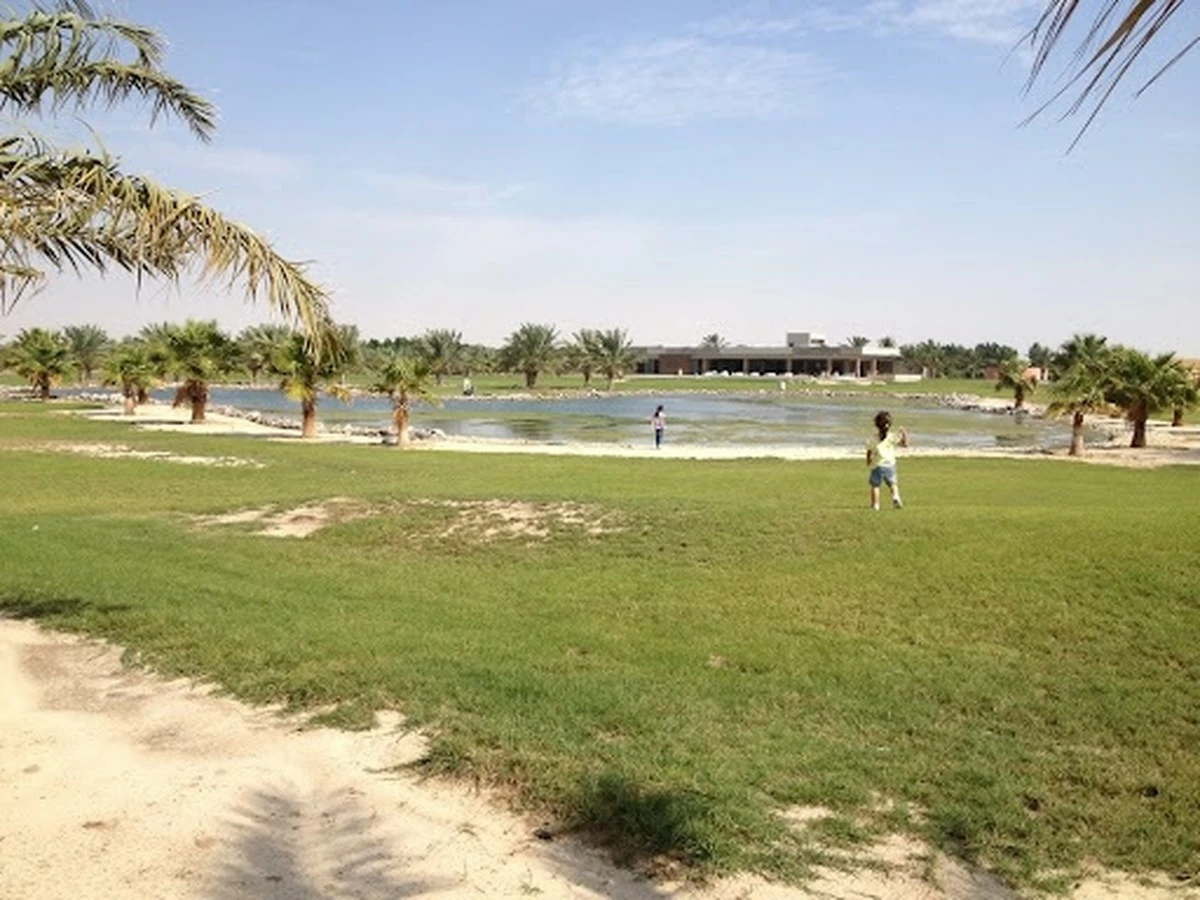

Al-Sakran revealed that his father’s farm is a long-established one, located in Plot 9 along Road 800. Spanning 160,000 square meters, the farm supports diverse agricultural activities, including crop cultivation, livestock and poultry rearing, and even tilapia farming. He said, “We focus on open-field farming. As the 2026/2027 agricultural season begins, we are cultivating corn and pumpkins across large field areas. We also harvest dates from our palm trees, which receive our utmost care, including varieties such as Barim, Anbara, Hasawi, Sukkari, Barhi, and Ajwa Al-Madina. These are among the rarest fruit-bearing palm varieties in the country. Furthermore, our focus is on and expansion of corn cultivation across vast fields, staggered over several planting periods, stems from the fact that corn serves as food for both humans and livestock. It enjoys a thriving market, presents a beautiful sight across the fields, and contributes to achieving the food security we aspire to. We are expanding our onion cultivation.
Currently, we are sowing seeds in the farm’s climate-controlled nursery for cauliflower, cabbage, lettuce, hot and sweet peppers, and eggplant. We also have “Hasawi” and Indian onion seeds available to expand the cultivation of dry bulb onions - a crop with high consumer demand and good financial returns for farmers, despite the long time it takes to mature in the soil. The disbursement of government cash subsidies for local production is often delayed. This creates a problem for us, as we are committed to paying rising monthly labor wages and covering increasing farm expenses.
Another issue we face is the interruption of the treated water supply to our farm and to most farms in the Wafra area. There is also the problem of poor market conditions for most of our produce during periods of peak local production. This stems from the fact that we plant without a scientific or practical plan that takes into account actual consumer demand for each crop variety that thrives in Kuwait.” Farmer Abdulwahab Atallah concludes by highlighting a challenge he and many other Wafra farmers face: birds devouring seeds and young green plants in open fields, as well as spiny-tailed lizards (Dhabb) consuming green leaves and seeds buried in the soil. He said, “Despite these obstacles, we continue on the path of goodness - the path of our forefathers - by cultivating and developing the land of Wafra.”