


21/02/2026

Share:
21/02/2026
Share:
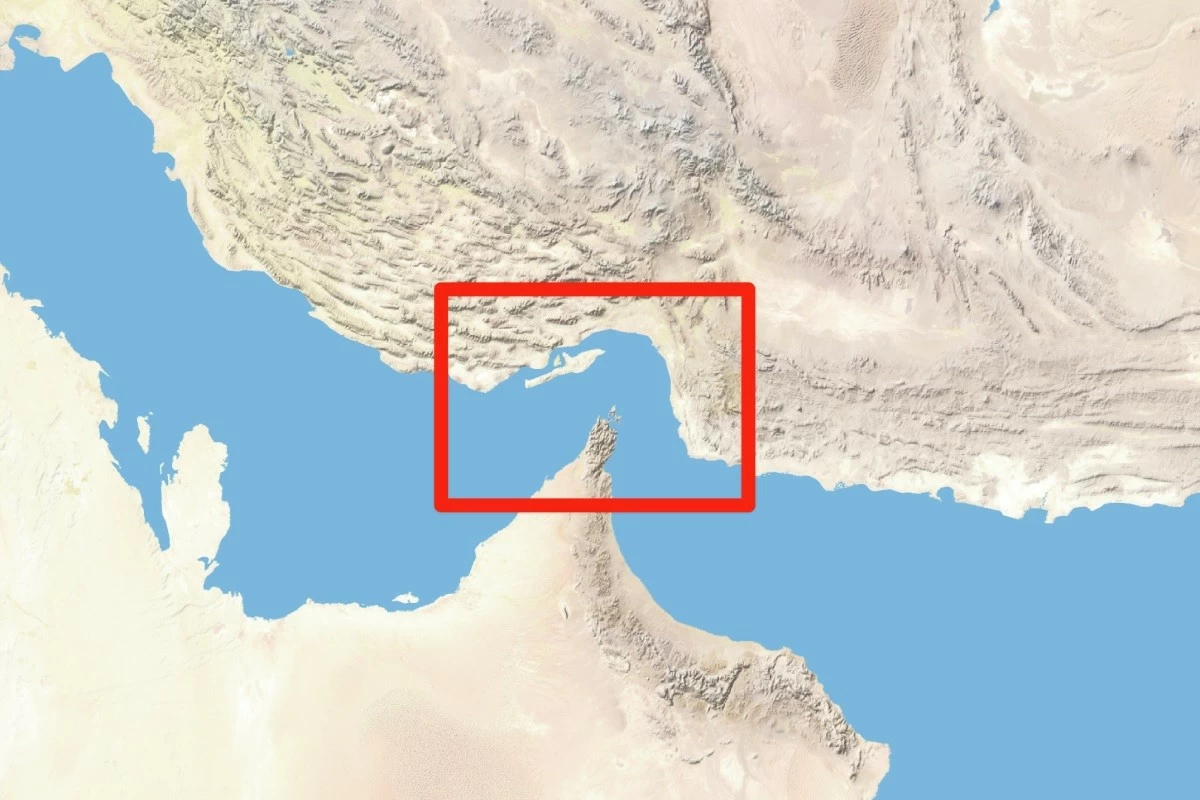
Strait of Hormuz closure could disrupt global oil supply, impact regional stability, experts warn.

Soon after oil prices began to settle at a satisfactory level below $70 a barrel, threats of a U.S. attack on Iran pushed prices above $70, creating uncertainty about the direction of oil prices. Despite a global availability of nearly 4 million barrels ready to be shipped, the threat of closing the Arabian Gulf, which could stop over 30 million barrels per day, caused panic in the oil markets and drove prices to unforeseen levels. W e know that war is unlikely, and the world would not allow the closure of the Gulf, which would cause chaos in the oil markets.

OPEC+ is meeting next month to decide on further increases in oil supply to the markets. Under the current circumstances, let us hope that war will not occur, allowing OPEC+ to meet in a stable environment without threats or disruptions to oil supply. At the same time, U.S. threats against any party dealing with Russian oil are causing concerns for India and China. India is now forced to halt imports of Russian oil, while China is increasing its imports to 2.3 million barrels per day, benefiting from substantial discounts of $9 to $11 per barrel. The question arises as to how India will be compensated for the discounts it had been enjoying while importing over one million barrels per day of Russian oil at similar rates as China. India had been importing around 1.16 million barrels per day.
The question is how India will be compensated and where it will import the lost volume from. Most likely, the source will be Arabian Gulf producers, but it is uncertain whether India will be allowed the same discounts that were offered by Russia under various barter deals. Now is not the time to switch from one oil supplier to another. Aside from quality mix and refining configurations, it is always better to stick with a consistent supplier and type of crude to maintain a steady supply of the same refined products, ensuring no quality issues for end consumers who are accustomed to a fixed standard.
We hope the ongoing discussions and negotiations between Iran and the USA will end peacefully, averting any war or military escalation in the region. The Gulf must remain free of conflict for the sake of global oil supply. The world depends on oil supplied by Arabian countries, transported through the Gulf as crude oil, refined petroleum products, and gas. The Gulf is the main route for oil to the rest of the world and must remain safe and free from any threats or war to keep oil prices stable and reasonable for global consumers. Global consumers have become accustomed to stable oil prices below $70 per barrel. The question is whether this stability can be maintained.