


05/04/2026

Share:
05/04/2026
Share:

KUWAIT CITY, April 5: As the fifth week of tension between the United States of America and Iran draws to a close, Economics Professor at Kuwait University Dr. Riyadh Al-Fares warned about the likelihood of a global economic recession triggered by the rapidly escalating geopolitical climate. In an interview with Kuwait TV, Al- Fares underscored the sensitivity of international markets to political rhetoric, indicating that administrative decisions and presidential statements can induce immediate shocks to energy and stock markets in what he described as a “global economic shock.”
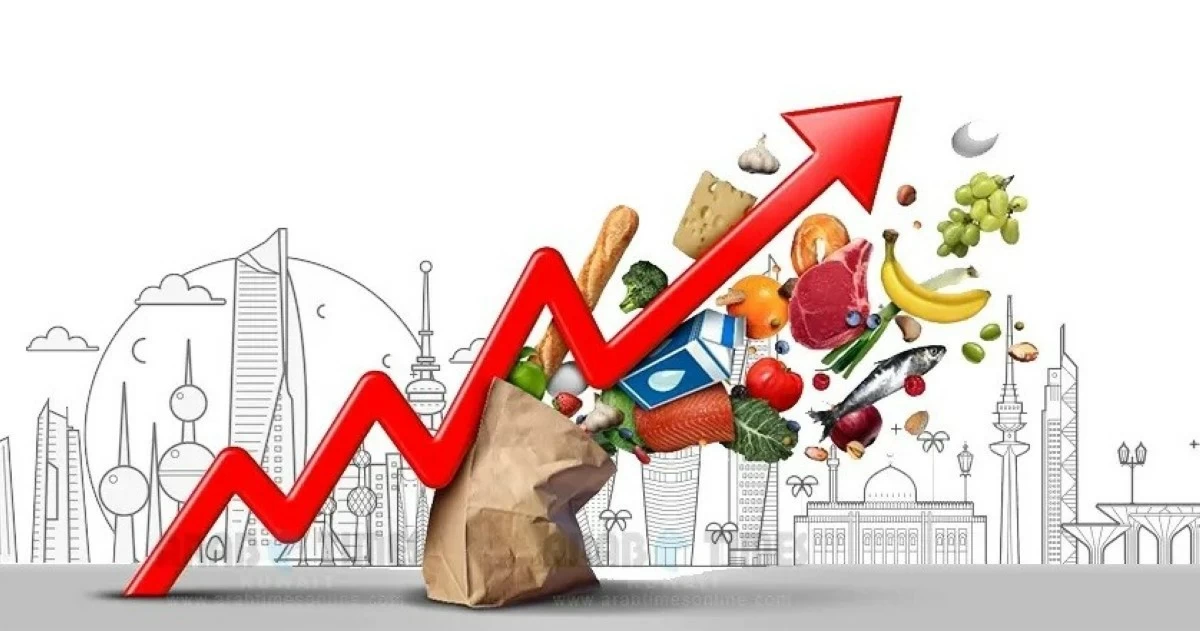
Al-Fares explained that current indicators point toward the possibility of “stagflation,” where stagnant growth coincides with rising inflation, presenting central banks with significant challenges in managing this unconventional economic scenario. He pointed out that the continuous increase in oil prices will inevitably drive up commodity costs, while the likelihood of a recession in major economies continues to grow. He said global development could plummet from an estimated four percent to 1.5 percent in 2026.
Asked about the economic significance of the Gulf, he asserted that the crisis has proven the world’s reliance on the region, which holds more than 50 percent of global oil reserves and 30 percent of gas reserves, making it a cornerstone of the global energy equation. He added that shortages in energy supplies, particularly in Asian markets, have contributed to sharp price hikes, reinforcing the Gulf’s position as a primary source for securing the energy requirements of the whole world. He described the current landscape as a shift from military conflict to an “energy war,” as the surge in prices – ranging between 50 percent and 66 percent – reflects the severe pressure on international supply chains. He concluded that the energy file has emerged as a crucial element in the international political landscape. He stressed that presidential statements about easing restrictions on Russian exports or the sale of seized Iranian oil reflect the sector’s extreme sensitivity. He added that rising fuel costs could influence midterm election outcomes and reshape the balance of power.
By Marwa Al-Bahrawi Al-Seyassah/Arab Times Staff