



23/04/2026

Share:
23/04/2026
Share:
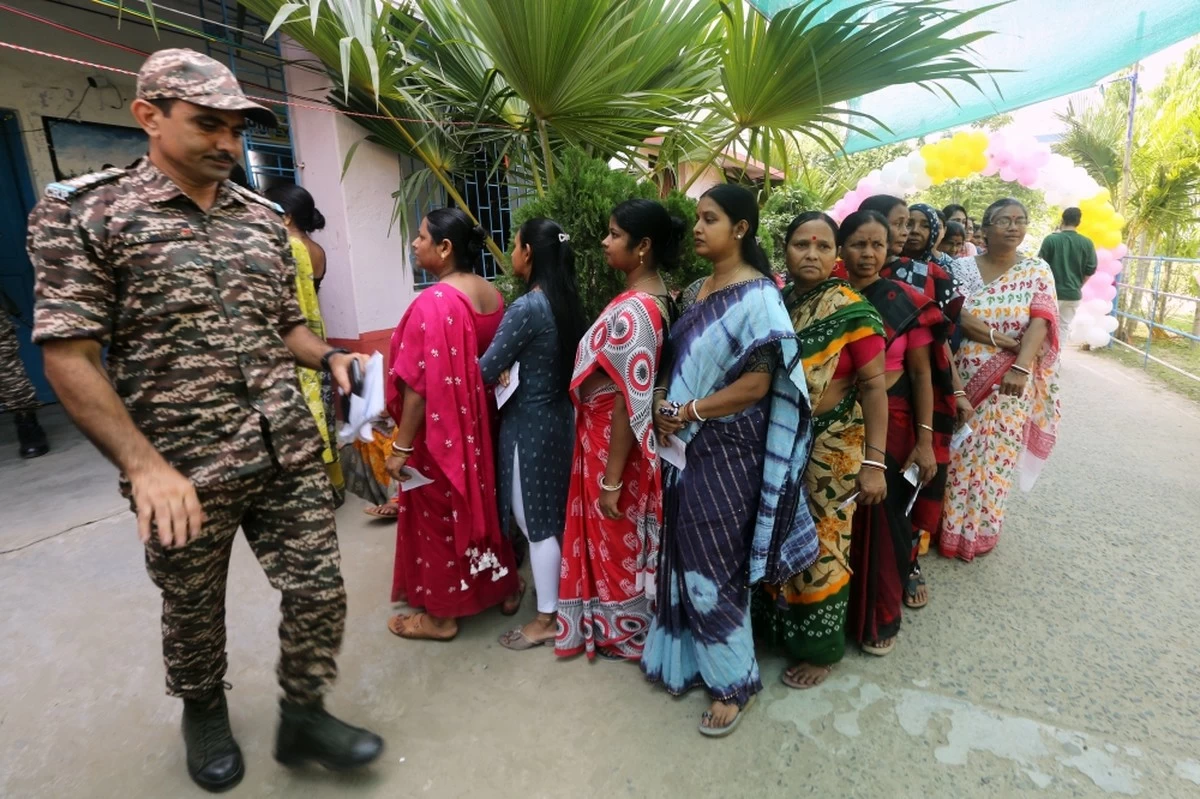

KOLKATA, India, April 23, (AP): Voting in one of India's most closely watched state elections began Thursday after a national voter roll revision removed millions of names and raised concerns over disenfranchisement in West Bengal, one of the few large states not governed by Prime Minister Narendra Modi’s ruling party. The election has national implications.
Modi’s Bharatiya Janata Party is seeking gains in a state long dominated by a regional opposition party, while a victory for West Bengal Chief Minister Mamata Banerjee would bolster her position as a leading opposition figure. A second phase of polling is scheduled for next week. Voting also was taking place Thursday in the southern state of Tamil Nadu.
The voting was part of a wider round of state elections testing the BJP's reach in opposition strongholds. The results of the latest elections and the earlier polls in Kerala and Assam states and the federally administered territory of Puducherry were expected May 4. The election is taking place after a sweeping revision of electoral rolls by the Election Commission of India aimed at removing duplicate, deceased and ineligible voters.
Officials say about 9 million names - roughly 12% of the electorate - were deleted, including 6.3 million listed as deceased or absent and 2.7 million marked "doubtful” and pending verification. Some affected voters said they had voted in previous elections and hold valid identification but were removed without clear explanation.
Sheikh Najrul Islam, a 53-year-old paramilitary officer on election duty in West Bengal, said he last voted in 2021 and holds valid identification documents, yet his name no longer appears on the voter list. "The Election Commission has deputed me to ensure free and fair polls. Yet, it does not consider me a citizen of this country,” he said.
In another case, Taibunessa Begum, a 62-year-old retired school administrator, said she was shocked to find her name deleted despite having a passport, pension records and earlier voter registration. "It felt like being told I don’t exist,” she said. Opposition leaders allege the deletions disproportionately affect Muslims and other marginalized communities.