



24/01/2026

Share:
24/01/2026
Share:
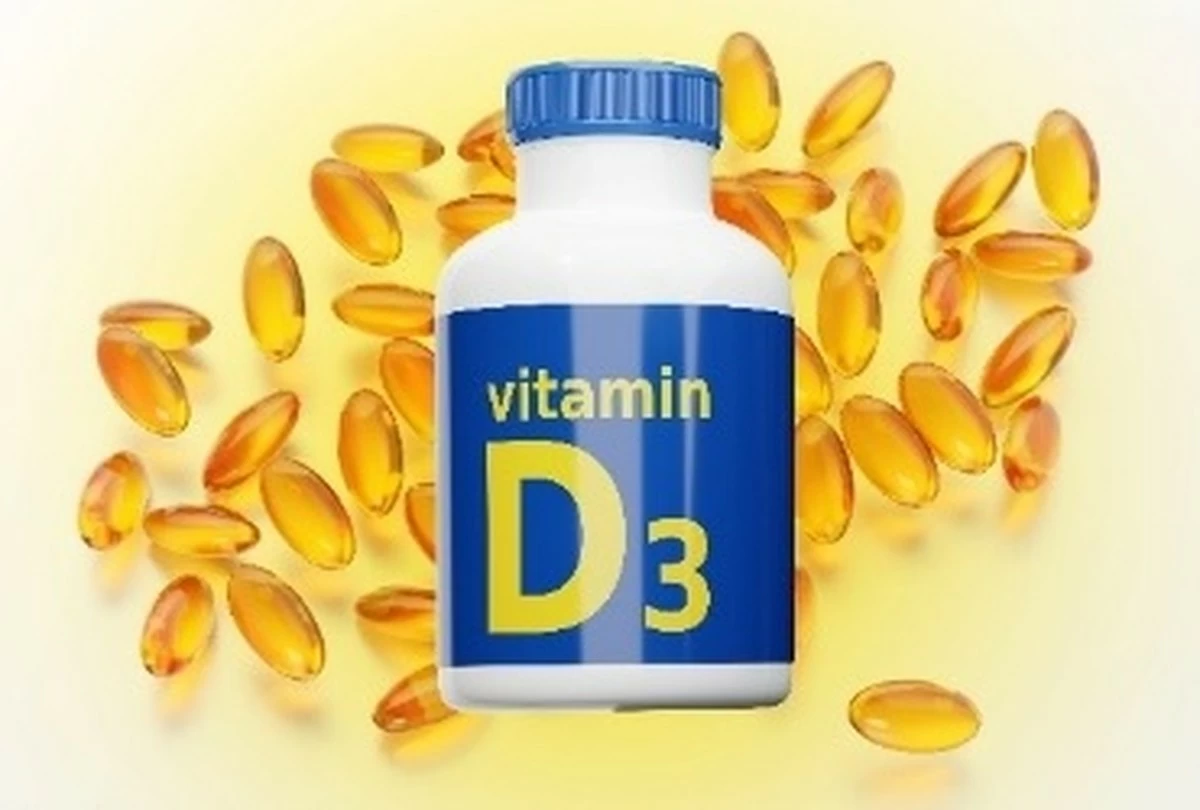

LONDON, Jan 24: As winter sunlight fades, millions of people turn to vitamin D supplements to maintain bone strength, support muscle function, and boost immunity. While health authorities widely recommend this routine, experts now caution that overuse can lead to serious health problems.
Daily supplementation with 10 micrograms (400 IU) of vitamin D is commonly advised during months with limited sunlight, when the body cannot generate enough vitamin D naturally. Vitamin D is essential for bone and muscle health, immune function, and overall well-being, and deficiency can cause conditions such as osteomalacia in adults and bone deformities in children. Studies indicate that a significant portion of adults have low vitamin D levels, and many take supplements to compensate.
However, biomedical scientist Tobias Mapulanga, co-founder of Repose Healthcare, warns that excessive intake is becoming a growing concern. He explained that symptoms such as persistent thirst, frequent urination, nausea, stomach upset, headaches, brain fog, or new muscle and bone aches may indicate that supplements are being overused. Reports in leading health publications highlight that while the correct dose supports wellbeing, too much vitamin D can have the opposite effect.
Consumer watchdogs have found that some vitamin D products on store shelves contain doses far above recommended limits. In some cases, individuals have been hospitalized due to hypercalcaemia—a condition where high calcium levels in the blood can damage the heart, kidneys, and bones.
Experts identify four key warning signs of vitamin D overdose:
- Persistent Thirst and Frequent Urination – Overconsumption can disrupt fluid and salt balance, causing constant thirst and frequent trips to the bathroom. Reducing intake to a safe daily dose and checking all supplement and food sources is advised.
- Nausea, Burping, or Stomach Upset – Digestive symptoms often signal excessive intake, particularly from sprays, gummies, or fortified products. Taking supplements with food and switching to simple tablets can help.
- Bone and Muscle Aches – High doses may cause mineral imbalances, leading to cramps, stiffness, or aches. Hydration, mineral-rich foods, and returning to the recommended dose can alleviate symptoms.
- Brain Fog and Headaches – Elevated calcium levels can impair cognitive function and cause headaches. Experts advise avoiding multiple high-strength supplements and sticking to a simple daily dose.
Vitamin D overdose rarely occurs from a single product. Instead, it typically results from “stacking”—taking multiple supplements, fortified foods, or different forms such as sprays and gummies. Confusing labels that use both micrograms and international units (IU) can make tracking total intake difficult. Health authorities emphasize checking all sources and limiting to a single daily supplement to avoid accidental overdose.
Vitamin D is fat-soluble, so taking it with foods containing healthy fats, like nuts or yogurt, can improve absorption. However, long-term excessive intake can lead to hypercalcaemia, with potential damage to the heart, kidneys, and bones.
Official guidance recommends that adults—including pregnant and breastfeeding women, the elderly, and adolescents—should not exceed 100 micrograms per day. For most people, 10 micrograms daily during low-sunlight months is safe and effective. During brighter months, sunlight and a balanced diet generally provide sufficient vitamin D, making supplementation unnecessary for many.
Health authorities advise vigilance: check the labels of all products, including multivitamins and fortified foods, to avoid doubling up. If warning symptoms appear, reduce to a single daily dose, take supplements with food, stay hydrated, and seek medical advice if symptoms persist.
While vitamin D remains an important part of winter wellness, experts stress that more is not always better. Paying attention to supplement labels, dosage, and early warning signs can prevent a healthy habit from becoming a health risk.