


05/09/2026

Share:
05/09/2026
Share:


Kamel Al-Harami
The American oil industry faces a tough challenge in investing again in Venezuela’s oil sector, as companies will have to deal with the country’s heavy, thick, and toxic sludge crude oil. In addition, it will be difficult to help the country emerge from its financial crisis. However, with more than 65 billion barrels of oil reserves underground, the scale of these resources could attract oil companies to invest, but only under tough and carefully defined conditions. Perhaps some companies would be willing to return under certain conditions and guarantees, potentially involving the US government, both today and in the future. The challenge lies in increasing Venezuela’s oil production from no more than 1.5 million barrels per day. With only one major US oil company currently taking on the challenge of doing so, the rest appear to be stepping aside.
They are unsure of the outcome and unwilling to risk becoming involved, concerned about any future change in government and the possibility of facing various court cases and, worse, having to pay compensation. Most importantly, they risk damaging their reputation and names globally. With the country facing more than $250 billion in unpaid bills and debt, new investors or companies considering returning to Venezuela will want to see guarantees that the country can restore and sustain its oil production. They will need assurance that Venezuela can attract the heavy investment required to increase its current oil output and generate sufficient revenues from oil sales to pay its debts.
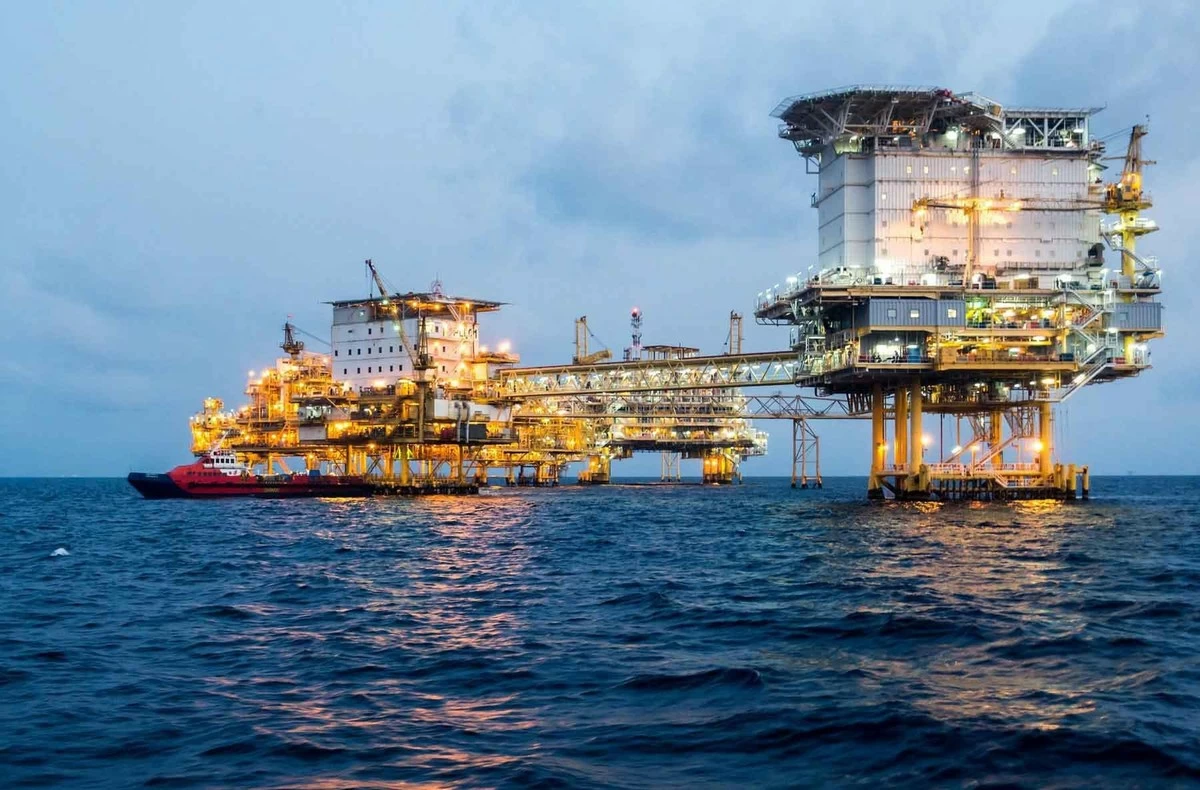
The challenge, however, is to ensure smooth and reliable crude oil production, with consistent and increasing output over the months ahead. Another challenge is ensuring that oil companies receive payments for their investments, or what could be described as a guarantee of barrels of oil in return for their investment. While the challenge is huge, particularly given the more than $150 billion in investment needed to double the country’s crude oil production, a stable government is essential to safeguard foreign oil companies’ investments in the country. At the same time, the Venezuelan people want to ensure that any crude oil deal is fair and protects the country’s interests, ensuring adequate financial returns and rewards for allowing oil companies to invest in their wealth and its development. Certainly, this is good news for this OPEC founding member, as it seeks to attract investors back to the country to develop and expand its oil production to previous levels, serving both its people and global energy demand for oil. Today’s Venezuelan oil production is far below the levels recorded in 1970, when the country produced more than 3.8 million barrels per day. Certainly, restoring and increasing production from the current weak level of 1.5 million barrels per day will be a huge challenge.
By Kamel Al-Harami Independent Oil Analyst ❑ ❑ ❑ Email: [email protected]