



22/01/2026

Share:
22/01/2026
Share:
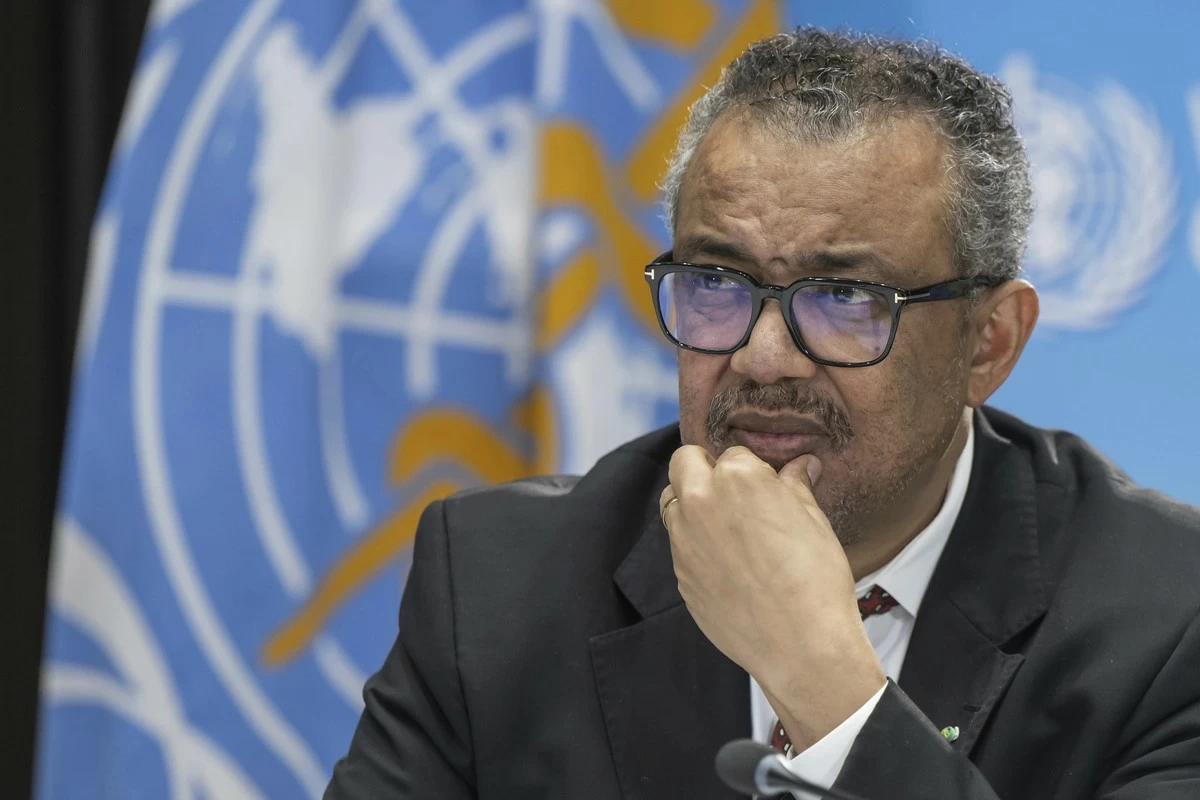

LONDON, Jan 22: The United States is set to officially leave the World Health Organization (WHO) on Thursday, raising concerns over both domestic and global health impacts and legal questions over unpaid fees, according to officials and experts.
President Donald Trump first announced the U.S. withdrawal on the first day of his 2025 presidency through an executive order. U.S. law requires a one-year notice and the payment of all outstanding fees before departure. Washington currently owes the WHO $260 million for 2024 and 2025, which has yet to be paid.
A U.S. State Department spokesperson said the WHO’s failure to manage, contain, and share information had cost the U.S. trillions of dollars. The spokesperson added that President Trump had paused all future transfers of U.S. funds, support, or resources to the agency.
“The American people have paid more than enough to this organization, and this economic hit is beyond a down payment on any financial obligations,” the spokesperson said.
WHO Director-General Tedros Adhanom Ghebreyesus has urged the U.S. to reconsider its departure. “Withdrawing from the WHO is a loss for the United States, and it’s a loss for the rest of the world,” he said earlier this month.
Lawrence Gostin, founding director of the O’Neill Institute for Global Health Law at Georgetown University, described the move as a clear violation of U.S. law but said Trump is likely to avoid legal consequences.
Bill Gates, speaking at the World Economic Forum in Davos, said he did not expect the U.S. to rejoin the WHO in the near term. “The world needs the World Health Organization,” he said, noting the U.S. withdrawal’s potential global impact.
The exit has already triggered a budgetary crisis at the WHO. Washington has been the agency’s largest financial backer, providing roughly 18% of its funding. The organization has cut its management team by half and plans to reduce staff by about a quarter by mid-2026.
“The U.S. withdrawal from WHO could weaken the systems and collaborations the world relies on to detect, prevent, and respond to health threats,” said Kelly Henning, public health program lead at Bloomberg Philanthropies.
Member states are scheduled to discuss the U.S. departure at the WHO executive board meeting in February. The agency has maintained collaboration with Washington over the past year, but future arrangements remain unclear.