


28/08/2026

Share:
28/08/2026
Share:

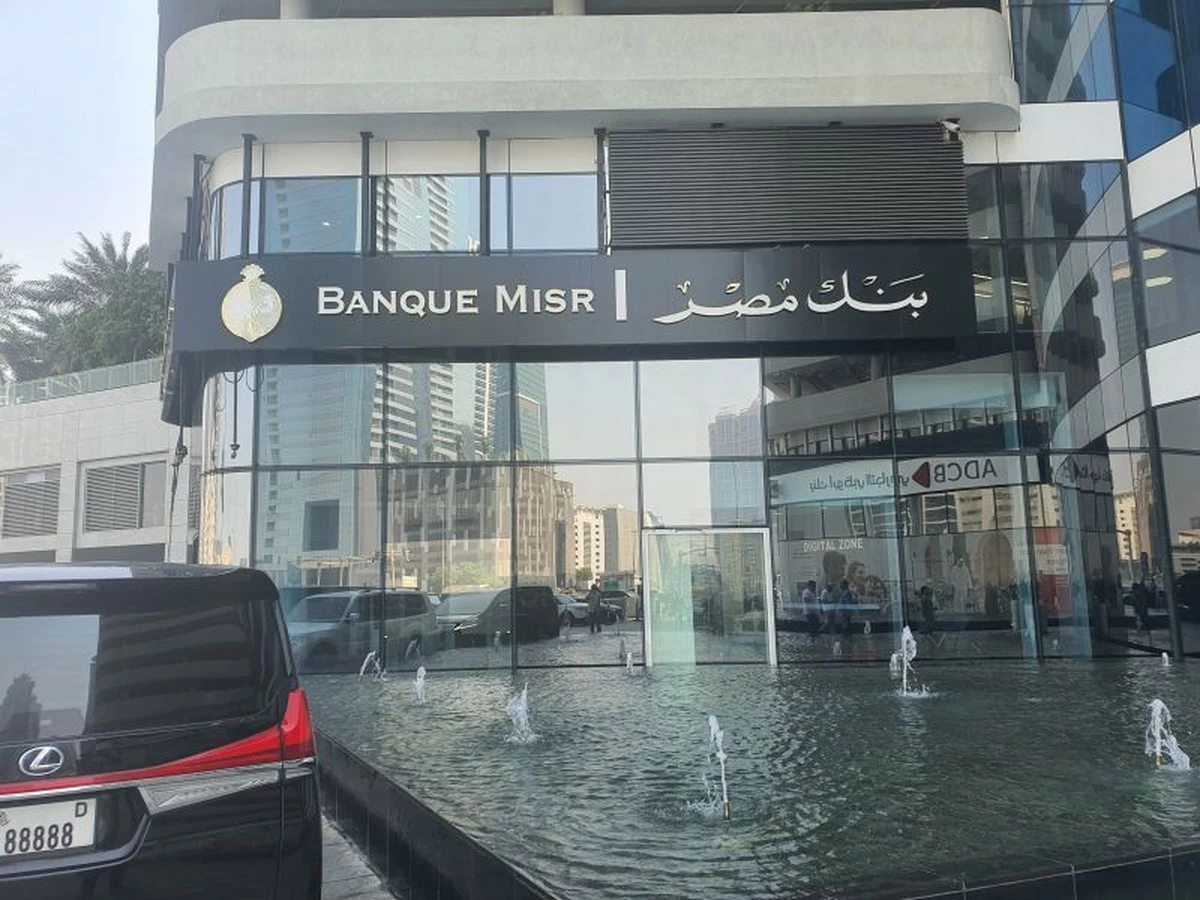
WASHINGTON, Aug 28: The United States has moved to cut the UAE branches of Egyptian bank Banque Misr off from the US financial system, accusing the bank of helping Iran maintain access to international finance despite Washington's sanctions campaign against Tehran.
“Banque Misr UAE decided to find out the hard way, and today, we are taking the first step in holding it accountable for its continued, egregious support of the Iranian regime,” Bessent said Friday.
The Treasury secretary said Washington had promised to sever every remaining economic lifeline to Tehran and warned entities that enable Iran that they could no longer expect continued access to the US dollar and the global financial system.
As part of the action, the Treasury Department’s Financial Crimes Enforcement Network (FinCEN) proposed revoking Banque Misr UAE's correspondent banking access to US financial institutions. The proposed measure would prohibit US banks from opening or maintaining correspondent accounts for Banque Misr UAE and require them to take steps to prevent transactions involving the bank from passing through US correspondent accounts. The measure applies specifically to Banque Misr's UAE operations and not to the bank's operations in other countries.
The move is part of the Trump administration’s broader Operation Economic Outcast, an effort aimed at increasing pressure on Iran by targeting its access to international finance, trade, aviation and shipping.
The Treasury Department also announced sanctions against Reza Mohammad Taeedi, the manager of Iran's Bank Melli Dubai branch, and Kameng Trading Limited, a Hong Kong-based company accused of laundering funds for a sanctioned Iranian exchange house.
The measures come as Washington faces challenges in its efforts to isolate Iran economically, particularly in Dubai, one of Tehran’s most important commercial and financial hubs.
The action comes as Iranian banks and businesses continue to operate in Dubai despite Washington's demands that governments and companies sever their remaining economic links with Tehran. Bank Melli Iran, which Bessent has specifically called on foreign governments to close, has continued operating its two Dubai branches.
The bank has maintained a presence in the UAE since 1969, before the formation of the United Arab Emirates, and its Dubai operations have long served Iranian customers and businesses.
Iranians living in Dubai have reportedly begun considering alternative methods of transferring money if traditional banking channels are eventually restricted. Among the alternatives is the traditional hawala system, which allows money to be transferred through trusted intermediaries without conventional cross-border bank transactions.
The continued presence of Iranian financial and commercial activity in the UAE highlights the difficulty of completely severing economic links between the two countries.
Earlier in the conflict, the UAE took several measures affecting Iranian institutions and nationals, including the closure of the Iranian Hospital and Iranian Club and restrictions affecting some Iranian passport holders and visas. The hospital and club remain closed, although reports indicate that broader visa cancellations have eased and some visas have subsequently been restored.
Iranian airlines also continue to operate direct flights between Iran and the UAE, while Iranian restaurants, cafes and other businesses remain active in Dubai.
The developments come despite an announcement by the UAE Foreign Ministry last week that it was halting trade, commercial exchanges and financial transactions with Iran.
Before the latest tensions, the UAE was Iran’s second-largest trading partner, with bilateral trade estimated at about $27 billion annually, with roughly 80 percent consisting of UAE exports to Iran.
The economic relationship also extends to the large Iranian community living in the UAE, particularly in Dubai. Iranian residents have historically used Dubai as a major gateway to international financial markets and as a regional commercial center.
US officials have repeatedly raised concerns about Dubai’s role in facilitating Iranian financial activity. Treasury said Banque Misr UAE processed about $1.8 billion in transactions for 103 companies potentially linked to Iran's shadow-banking network between January 2024 and June 2026. A separate Treasury Financial Crimes Enforcement Network study found that Dubai-based companies moved an estimated $6.4 billion in potential Iranian shadow-banking funds in 2024, accounting for about 71 percent of the global total identified in the study.
The first wave of Operation Economic Outcast sanctions targeted nearly 60 individuals, companies and vessels linked to Iran across several jurisdictions, including the UAE, China, Singapore and Switzerland.
Washington’s campaign nevertheless presents a delicate challenge because the UAE is an important US security partner and hosts American military assets. The Emirates is also a major investor in sectors such as artificial intelligence and was a key Arab signatory of the Abraham Accords with Israel.
For Dubai, which relies heavily on international trade, finance and foreign investment, a major disruption of commercial links with Iran could also carry economic consequences.
Analysts have warned that the UAE’s deeply interconnected economic relationship with Iran cannot be dismantled overnight, particularly given the scale of trade, financial activity and people-to-people links between the two countries.
The latest US measures signal that Washington is prepared to extend its sanctions campaign beyond Iranian entities themselves and target foreign financial institutions and companies accused of helping Tehran maintain access to international markets.
Bessent has repeatedly warned that entities continuing to facilitate Iran’s economic activity should not expect to retain access to the US financial system, increasing pressure on banks and businesses in countries that maintain commercial links with Tehran.