


16/06/2026

Share:
16/06/2026
Share:
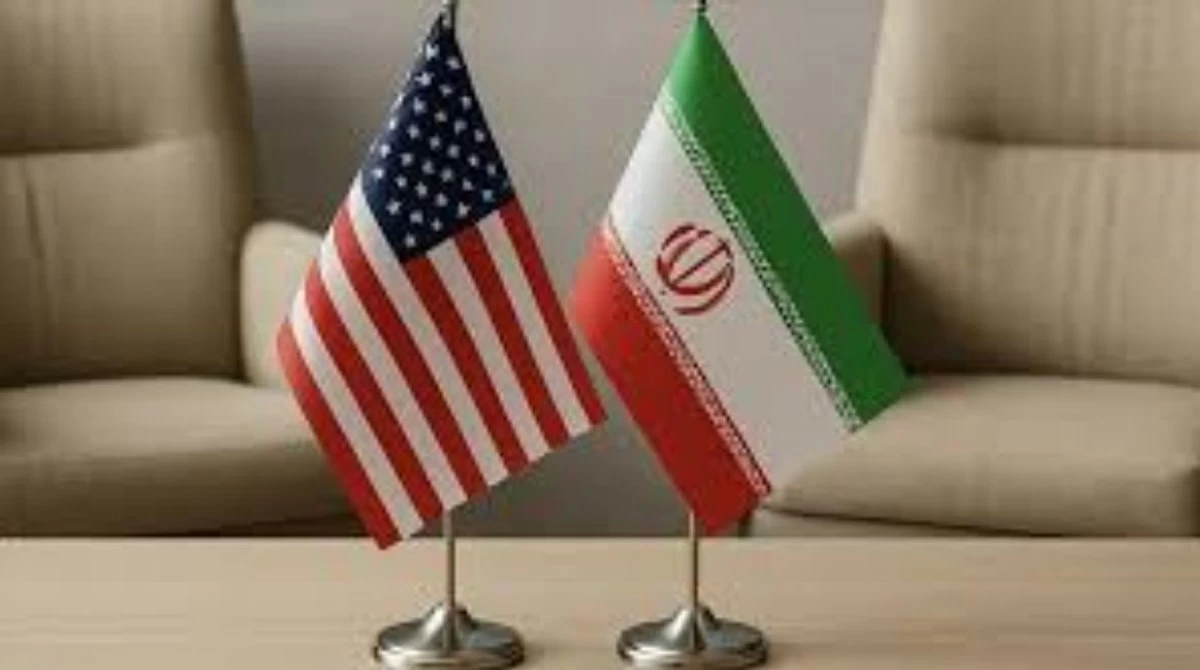

WASHINGTON/TEHRAN, Jun 15: Questions are mounting over the scope of sanctions relief after the United States and Iran announced a new peace framework on Sunday, with both sides signaling major economic and geopolitical shifts but offering differing accounts of the agreement’s details.
US President Donald Trump said the deal had been finalized and announced steps including the reopening of the Strait of Hormuz and the removal of a US naval blockade, describing the move as part of a broader effort to stabilize regional tensions.
The announcement immediately prompted diplomatic reactions from European allies. The United Kingdom, Germany, and Italy said they would continue coordinating closely with Washington, Tehran, and regional partners, while expressing support for continued efforts toward a long-term settlement.
In a joint statement, the European allies signaled willingness to consider easing sanctions, provided Iran takes “clear, verifiable steps” regarding its nuclear program, reiterating that Tehran must never “acquire a nuclear weapon.”
Sanctions relief under discussion
According to an Iranian draft of the agreement reported by Mehr News Agency, the proposed framework includes suspension of sanctions on Iranian oil exports, petrochemicals, and related sectors, along with provisions allowing Tehran access to proceeds from energy sales.
The draft also reportedly outlines the release of approximately $24 billion in frozen Iranian assets during an initial 60-day negotiation period, with half of the funds to be unlocked before formal final talks begin.
If implemented, the broader agreement could include the full lifting of US primary and secondary sanctions, as well as the termination of relevant United Nations Security Council and International Atomic Energy Agency resolutions tied to Iran’s nuclear program.
Wide-ranging US sanctions architecture
While no official sanctions relief details have been released, the United States currently maintains one of the most extensive sanction regimes globally against Iran, spanning oil exports, banking, shipping, manufacturing, military activity, and nuclear-related programs.
US restrictions on Iran date back to 1979, including asset freezes, bans on trade, and prohibitions on foreign assistance and arms sales. Washington also maintains secondary sanctions targeting non-US companies that conduct business with Iran.
Oil and energy restrictions remain the most significant component of the sanctions regime, targeting Iranian crude exports, shipping networks, insurers, and foreign buyers of Iranian petroleum. Additional measures, including the 2024 Stop Harboring Iranian Petroleum (SHIP) Act, have expanded enforcement against entities involved in transporting or refining Iranian oil.
In recent years, US authorities have also imposed sanctions on vessels, companies, and intermediaries linked to Iranian energy exports, including networks allegedly connected to regional armed groups.
Financial restrictions and frozen assets
Iran remains largely cut off from the global financial system due to sanctions on major banks and institutions, including the Central Bank of Iran, which was sanctioned in 2012.
Iranian officials have long cited access to frozen assets as a key priority in negotiations. Estimates of blocked Iranian funds abroad exceed $100 billion, according to Iranian sources and independent analysts.
Potential sanctions relief could include restored access to international banking channels, eased cross-border transactions, and partial release of frozen assets held overseas.
Shipping, trade and nuclear restrictions
US sanctions also extend to Iran’s shipping, construction, mining, textiles, automotive, and industrial sectors, with additional penalties imposed on metals and infrastructure industries.
Maritime restrictions have significantly affected Iran’s ability to export and import goods, including non-oil commodities. The possible reopening of the Strait of Hormuz and easing of shipping restrictions have been highlighted as key components of the emerging framework.
Nuclear-related sanctions remain central to the dispute, with the US designating individuals and entities linked to Iran’s nuclear and ballistic missile programs. While the 2015 nuclear deal briefly eased some restrictions, they were later reimposed following Washington’s withdrawal from the agreement.
Diverging interpretations of the deal
Despite the announcement of a breakthrough, significant differences remain between Washington and Tehran over the obligations Iran would undertake under the agreement.
US officials have indicated the deal could involve dismantling elements of Iran’s nuclear program, while Iranian officials insist no new nuclear commitments have been accepted at this stage, saying such issues will be addressed in later phases of negotiation.
As discussions continue, uncertainty remains over how quickly sanctions could be lifted — and to what extent Iran’s economy could be reintegrated into global markets.