



28/05/2026

Share:
28/05/2026
Share:
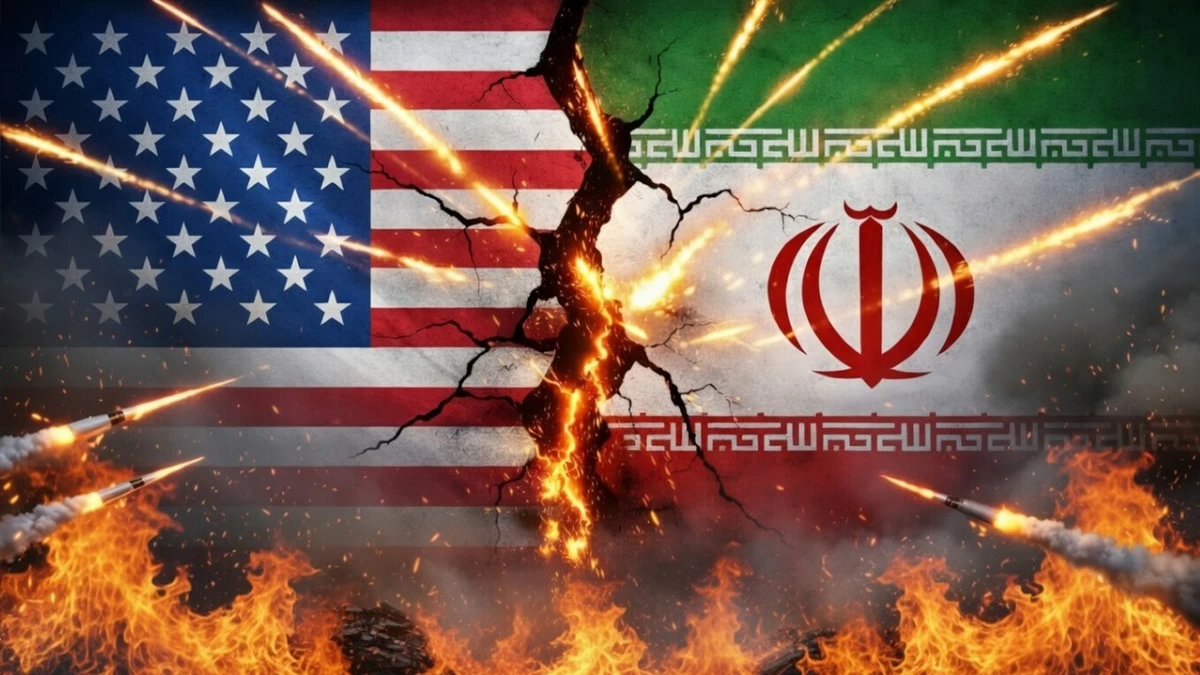

WASHINGTON/TEHRAN, May 28: The United States has carried out a fresh round of military strikes in Iran, targeting a military site near the strategic port city of Bandar Abbas and shooting down four Iranian attack drones that it said posed a threat in the Strait of Hormuz.
According to US Central Command (CENTCOM), the military site in Bandar Abbas was struck as it was preparing to launch a fifth one-way attack drone. Iranian media reported explosions east of the city following the operation.
CENTCOM described the strikes as “measured, purely defensive, and intended to maintain the ceasefire,” stressing that the actions were taken in self-defense amid ongoing tensions with Iran.
The latest operation marks the second US strike inside Iran in three days. Earlier this week, CENTCOM said it targeted Iranian missile sites and boats allegedly attempting to lay mines in the Strait of Hormuz, a key global shipping route. The US military said those strikes were aimed at protecting American forces from potential threats.
The renewed military activity comes despite a fragile ceasefire between Washington and Tehran and ongoing negotiations aimed at ending a three-month conflict that has disrupted maritime traffic through the Strait of Hormuz and driven up global energy prices.
Iran strongly condemned the latest strikes, calling them a “grave violation of the ceasefire” and warning that it would not leave any act of hostility unanswered.
Meanwhile, regional tensions remained high as Kuwait's military announced that its air defense systems had intercepted hostile missile and drone threats on Thursday, although no further details were provided.
In a separate move, the United States imposed sanctions on Iran’s Persian Gulf Strait Authority, the body responsible for collecting fees from vessels transiting the Strait of Hormuz. The US Treasury Department warned that ships making payments to the authority could also face sanctions exposure.
The Strait of Hormuz handles roughly one-fifth of the world's oil and liquefied natural gas shipments, making it one of the most critical energy chokepoints globally. Disruptions in the waterway have significantly impacted global fuel markets and shipping operations.
Iranian Foreign Ministry spokesman Esmaeil Baqaei defended the fees, saying Tehran was charging for navigational services and would continue managing maritime traffic through the strait.
US Treasury Secretary Scott Bessent accused Iran of attempting to “extort global maritime trade,” describing the fee collection system as evidence that Tehran is under increasing financial pressure.