


21/11/2026

Share:
21/11/2026
Share:
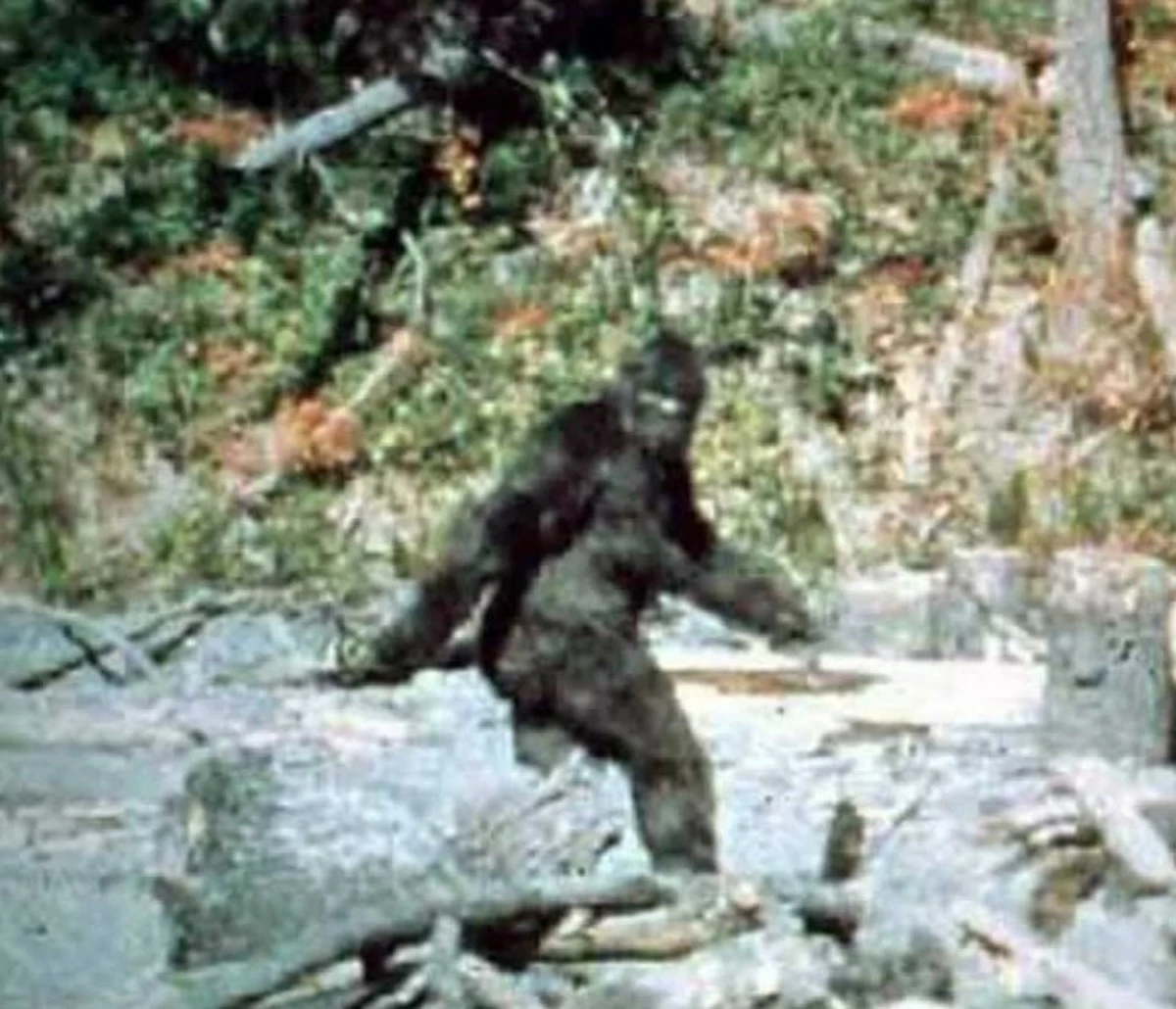

WASHINGTON, Nov 21: The US Forest Service has released three historical government records documenting reported Bigfoot encounters and mysterious footprints dating back to the 1940s, reviving public interest in one of America's most enduring mysteries.
The documents, posted online on October 15, 2026, under the agency's “Bigfoot/Sasquatch Records” section of its Freedom of Information Act (FOIA) reading room, include a 1982 investigation into enormous footprints discovered in the Mill Creek Watershed of the Umatilla National Forest.
The records were made public without a major announcement and have attracted renewed attention following reports about the Trump administration's broader release of previously classified UFO-related government documents.
One of the most detailed records is a six-page investigative memorandum written by wildlife biologist Rodney L. Johnson, who was assigned by the US Department of Agriculture to examine reported Bigfoot tracks.
Johnson documented footprints discovered at two muddy locations in the watershed. Some measured approximately 15 inches long and seven inches wide, extending across muddy terrain and into dense vegetation.
At one location, the tracks covered approximately 25 feet, while another set extended about 40 feet towards thick brush. Investigators also noticed disturbed vegetation beyond the footprints, suggesting that something had passed through the area.
One footprint reportedly displayed an unusual deformation of the second toe.
Photographs of the tracks were included in the investigation, and plaster casts were made to preserve some of the impressions.
Johnson acknowledged that the footprints appeared unusually detailed and would have required considerable effort to reproduce if they were fabricated.
“If the tracks were faked, someone went to a great deal of trouble and detail,” he wrote, adding that certain markings appeared natural and would have been difficult to duplicate.
However, despite the unusual characteristics, the biologist ultimately rejected the possibility that the tracks had been made by a giant, two-legged creature.
“It is my opinion that the tracks observed at Site ‘A’ and Site ‘B’ along Low Creek were made by something other than a 300 pound plus two footed being,” Johnson concluded.
He outlined several reasons for his assessment, including the fact that the distance between the footprints remained relatively consistent despite changes in the slope.
He also observed that his own boots sank deeper into the mud than the alleged Bigfoot footprints. Additionally, forest litter around the impressions appeared to have been deliberately brushed aside before the tracks were made.
A subsequent memorandum from a US Border Patrol official to the Forest Service office in Walla Walla, Washington, also questioned the authenticity of the footprints.
The official suggested that the incident could have been an elaborate hoax intended to involve government personnel and give credibility to Bigfoot claims.
He concluded that the tracks were likely man-made using a soft plaster or rubber-coated foot.
Reports dating back to the 1940s
The other records released by the Forest Service contain additional accounts of alleged Sasquatch encounters in Montana.
One document includes a newspaper clipping from the Clark Fork Valley Press concerning purported Bigfoot footprints discovered in Montana in 2003.
Another contains an account by Leo T. Kinney, who described unusual incidents during hunting trips in the Petty Creek area of Montana dating back to the late 1940s.
Kinney recalled encountering unusually large tracks in the woods and described an incident involving a missing elk carcass, with only its entrails remaining.
He also referred to reports from other hunters who allegedly discovered similar tracks and experienced a strong, unusual smell accompanied by a grunting noise.
The accounts left those who encountered the incidents with what Kinney described as a “very uneasy feeling.”
Forest Service does not confirm Bigfoot's existence
The release has generated renewed interest among Bigfoot enthusiasts, researchers and those fascinated by unexplained encounters in North American forests.
However, the documents do not establish the existence of Bigfoot or provide scientific confirmation that the creature inhabits American wilderness areas.
Instead, they offer historical insight into how government personnel investigated unusual reports and documented claims of mysterious creatures over several decades.
The Forest Service's decision to make the records available has nevertheless reopened public discussion about the reported sightings, mysterious footprints and unexplained encounters that have helped sustain the Bigfoot legend for generations.