



03/08/2026

Share:
03/08/2026
Share:
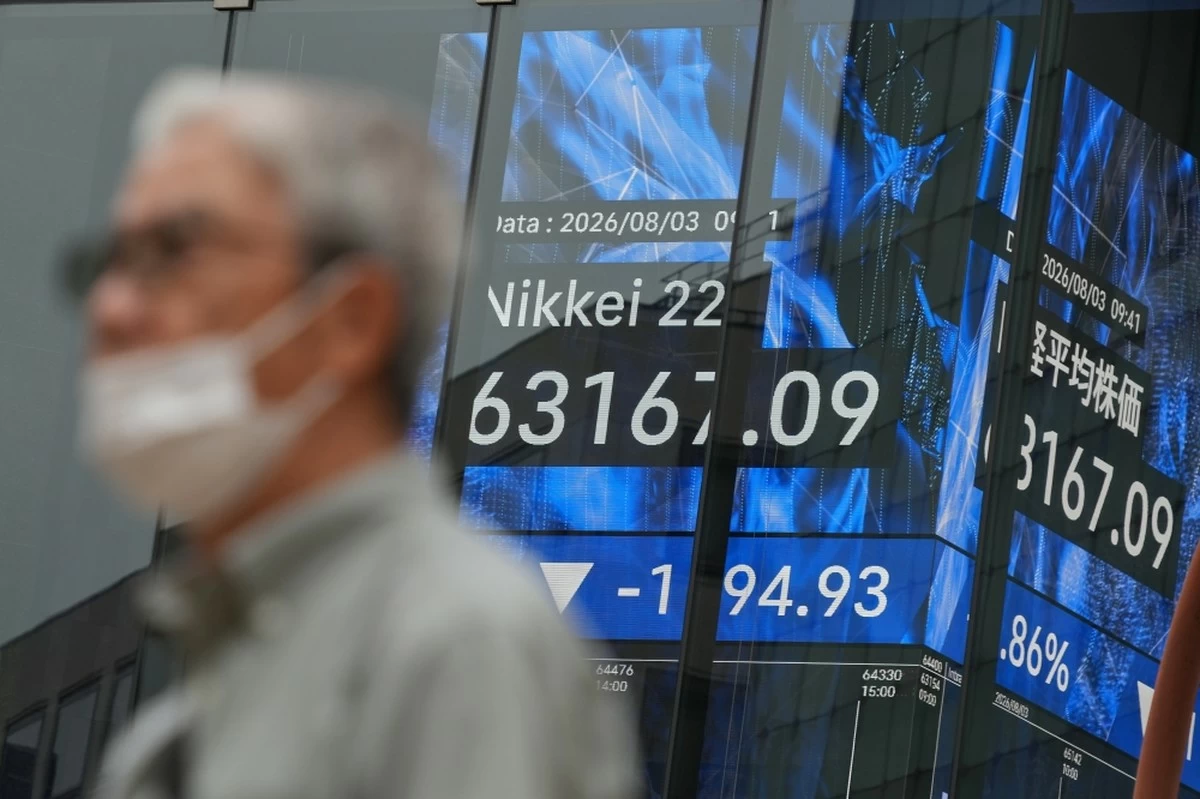

TOKYO, Aug 3, (AP): The US dollar weakened sharply Monday against the Japanese yen after US President Donald Trump and Japan’s finance minister confirmed both sides had intervened in markets. Before late last week, the dollar was trading above 163 yen, touching 40-year highs. After regulators were suspected of stepping in, it fell below 160 yen.
Early Monday, after the official announcement of the intervention, the dollar fell to nearly 155.20 yen. That’s a big drop for the exchange rate. The dollar was trading at 156.75 yen late Monday afternoon Tokyo time. Even though it has attracted millions of bargain-hunting tourists, the yen's prolonged weakness against the dollar has been a source of frustration for Tokyo.
Since Japan imports so much of what it consumes, a weak currency pushes prices higher. High oil prices have amplified that problem and that's putting pressure on the administration of Japanese Prime Minister Sanae Takaichi to do more to address the rising cost of living. Efforts earlier this year to raise the value of the yen against the dollar did little to budge the exchange rate.
Normally foreign exchange markets determine the relative values of currencies, but there are many factors that shape what happens in the markets. A big gap between interest rates in the US and Japan has led investors to sell yen and buy dollars to take advantage of the higher yields from dollar-denominated assets.
Both the Bank of Japan and the Federal Reserve kept their interest rates unchanged at meetings last week, maintaining that gap. So, last week, when the dollar slipped below 160 yen and stayed there, the US side was suspected of lending a hand. Officials usually stay mum on such actions.
But on Sunday, Trump confirmed that the US side had helped, and Japanese Finance Minister Satsuki Katayama likewise issued a statement saying the finance ministry had purchased yen in coordination with the US Treasury Department.
"We will not hesitate to conduct further joint intervention,” she said. Such overt acknowledgment of market intervention is rare, said Neil Newman, managing director and head of strategy at Astris Advisory Japan. He said the last big example was when governments intervened following a massive earthquake and tsunami disaster in northeastern Japan in 2011.