


11/08/2026

Share:
11/08/2026
Share:

TEHRAN, Aug 11: A potential US maritime blockade could impose an additional $18 billion a year in trade costs on Iran, the head of the Iran-China Chamber of Commerce has warned, as shipping traffic through the Strait of Hormuz falls amid heightened tensions between Tehran and Washington.
Majidreza Hariri said transporting a container from China to Iran currently costs around $3,000 by sea, compared with about $12,000 by land. With roughly two million containers entering Iran’s southern ports each year, he estimated that the additional $9,000 per container could add approximately $18 billion to Iran’s annual trade costs.
Hariri, speaking to KhabarOnline on Tuesday, said the amount would exceed Iran’s annual spending of less than $15 billion on imports of essential goods and medicines.
He warned that attempting to bypass a naval blockade could further weaken Iran’s economy, drawing a comparison with the country’s experience under international sanctions.
“The worst thing that could happen today is for us to think we can circumvent the naval blockade and try to run the country despite it,” Hariri said. He argued that Iran’s previous efforts to circumvent sanctions, rather than seeking their removal or establishing mechanisms to neutralize their impact, had contributed to economic weakness and widespread corruption.
Hariri also warned that transporting Iran’s roughly $50 billion in annual non-oil exports overland would cost more than the profits generated by those shipments, potentially making such trade economically unviable.
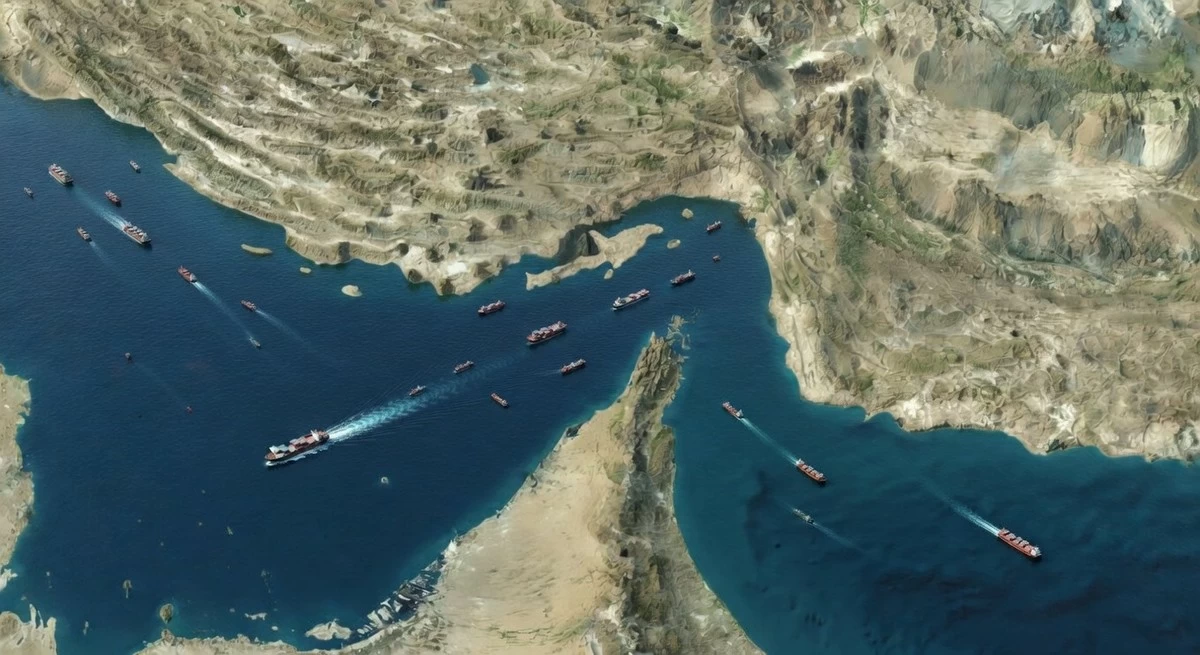
Strait of Hormuz traffic fallsMeanwhile, shipping traffic through the strategically important Strait of Hormuz dropped to six vessels on Monday, below the 10-day average of around 11, according to Kpler data cited by Reuters.
Four commodity vessels entered the waterway, including two empty oil-product tankers, while two vessels exited the strait. The departing vessels included a small tanker carrying liquefied petroleum gas and another transporting residual fuels.
The decline in traffic comes amid fading hopes of an Iran-US peace agreement and growing concerns over the security of shipping through the Strait of Hormuz, a critical global energy route.
The developments highlight the potential economic impact of any prolonged disruption to maritime trade, with Iran heavily dependent on its southern ports for imports and exports and the wider global energy market closely monitoring traffic through the strait.