


23/06/2026

Share:
23/06/2026
Share:
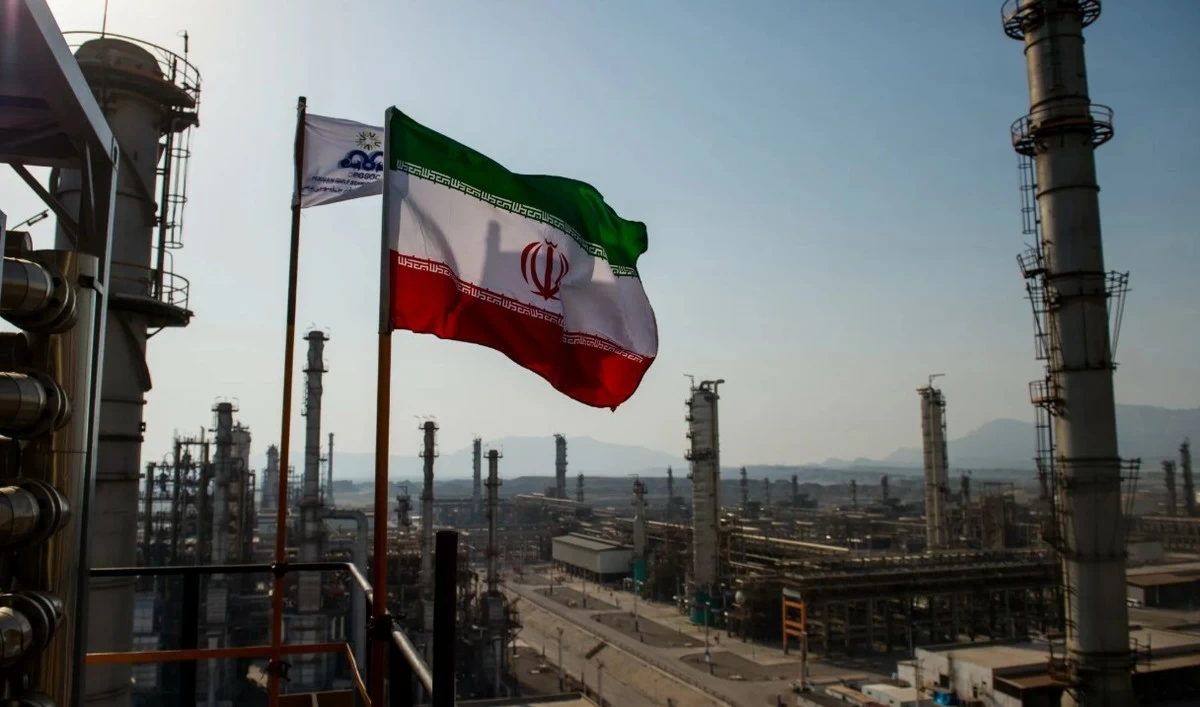

WASHINGTON, Jun 23: The United States on Monday announced a broad sanctions waiver for Iran’s energy sector, authorizing the sale and transport of Iranian oil, allowing payments to Tehran in U.S. dollars, and permitting Iranian oil and petroleum products to be imported into the United States.
The move represents one of the most significant shifts in U.S. policy toward Iran since the 1979 Islamic Revolution and follows the recently signed U.S.-Iran Memorandum of Understanding.
Treasury Secretary Scott Bessent framed the measure as part of the administration’s effort to implement the agreement while negotiations continue toward a wider settlement with Tehran.
Under the waiver issued by the Treasury Department, Iran will be permitted to produce, sell and transport crude oil, petroleum products and petrochemicals through August 21. The authorization also covers financial transactions in U.S. dollars and allows imports of Iranian oil and petroleum products into the U.S.
The waiver effectively suspends major restrictions that have long targeted Iran’s energy sector under both primary and secondary sanctions. According to the Treasury Department, the measure also covers shipping, insurance, vessel management, registration and other services needed to facilitate oil trade.
For years, Iran has relied on a sprawling sanctions-evasion network to keep its oil exports moving. That system has included a large “shadow fleet” of tankers, ship-to-ship transfers, intermediaries and opaque financial arrangements designed to obscure the origin and destination of Iranian crude.
Oil exports remain central to Iran’s economy and a key source of government revenue. By allowing Iranian crude and petroleum products to move through more conventional financial and commercial channels, the waiver provides Tehran with a major economic incentive to continue negotiations and potentially turn the current understanding into a lasting agreement.
Iranian officials presented the move as proof that talks with Washington are producing concrete results.
Parliament Speaker and chief negotiator Mohammad Bagher Ghalibaf said Iran had also secured an agreement for the release of frozen assets.
“In Switzerland we agreed on the release of $12 billion in frozen assets,” Ghalibaf said, according to state media.
Ghalibaf also said the negotiations had helped reduce violence in Lebanon, a key point of contention in the talks.
“Since we entered the Swiss negotiations, we have seen that the enemy’s fire against Lebanon has stopped and a large part of the people have returned to their homes,” he said.
He added that Iran would continue pursuing its objectives in Lebanon through diplomacy.
“With the decision made in Switzerland, we will achieve the territorial integrity and national sovereignty of Lebanon in these talks, and we will not abandon it until we achieve a result,” Ghalibaf said.
His comments are likely to intensify criticism from opponents of the agreement, who argue that Washington has offered sweeping economic concessions before securing major commitments from Tehran on its nuclear program or regional activities.
Critics have focused in particular on the scale of the sanctions relief and the reported release of frozen assets, warning that the administration is moving too quickly while core disputes remain unresolved.
Supporters of the agreement argue the measures are designed to build momentum for negotiations, secure nuclear inspections and reduce the risk of renewed conflict across the region.