



18/06/2026

Share:
18/06/2026
Share:
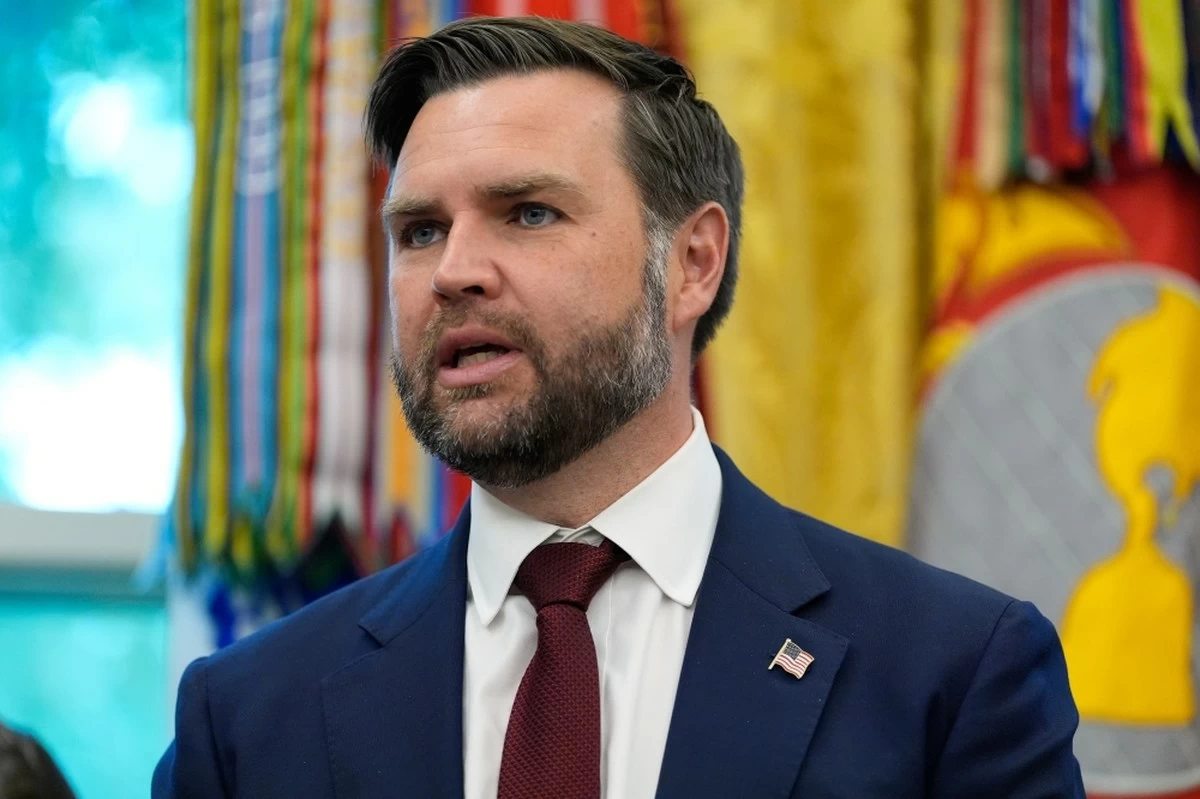

WASHINGTON, Jun 18: US Vice President JD Vance said any foreign investment in Iran would require approval from Washington and relief from US sanctions, stressing that economic engagement with Tehran would depend on significant changes in Iranian behavior.
Speaking about the potential implications of the recently announced US-Iran memorandum of understanding, Vance said there is strong interest from countries in the Gulf region and beyond to invest in Iran, but noted that such projects cannot move forward without US authorization due to existing sanctions.
“There is a great desire from the Arab world and from outside the Arab world to invest in Iran if it behaves properly,” Vance said, adding that sanctions relief would be necessary before foreign companies could undertake major projects in the country.
Using a hypothetical example, Vance said the United Arab Emirates could potentially finance infrastructure projects in Iran if Tehran meets the required conditions and Washington approves the necessary sanctions exemptions.
“If they behave, and if the Emiratis themselves want to build a power plant, then we will do the sanctions relief necessary to make that possible,” he said.
Vance argued that allowing Gulf Arab countries to invest in Iran could create economic interdependence that would serve as a form of leverage over Tehran, encouraging it to maintain constructive relations with its neighbors.
“It actually creates integration, which is leverage,” Vance said. “A world where the Gulf states have greater leverage into the Iranian economy is a world where the Iranians are going to be heavily prevented from misbehaving.”
The vice president also said Gulf Arab nations increasingly view Iran as weakened and believe there may be an opportunity to establish a new relationship with Tehran. However, he emphasized that any economic opening remains contingent on what he described as a “transformation in Iranian behavior.”
His remarks come amid growing debate over the economic provisions of the US-Iran memorandum, which envisions large-scale international investment in Iran's reconstruction and development, subject to future agreements and sanctions-related approvals.