



04/02/2026

Share:
04/02/2026
Share:

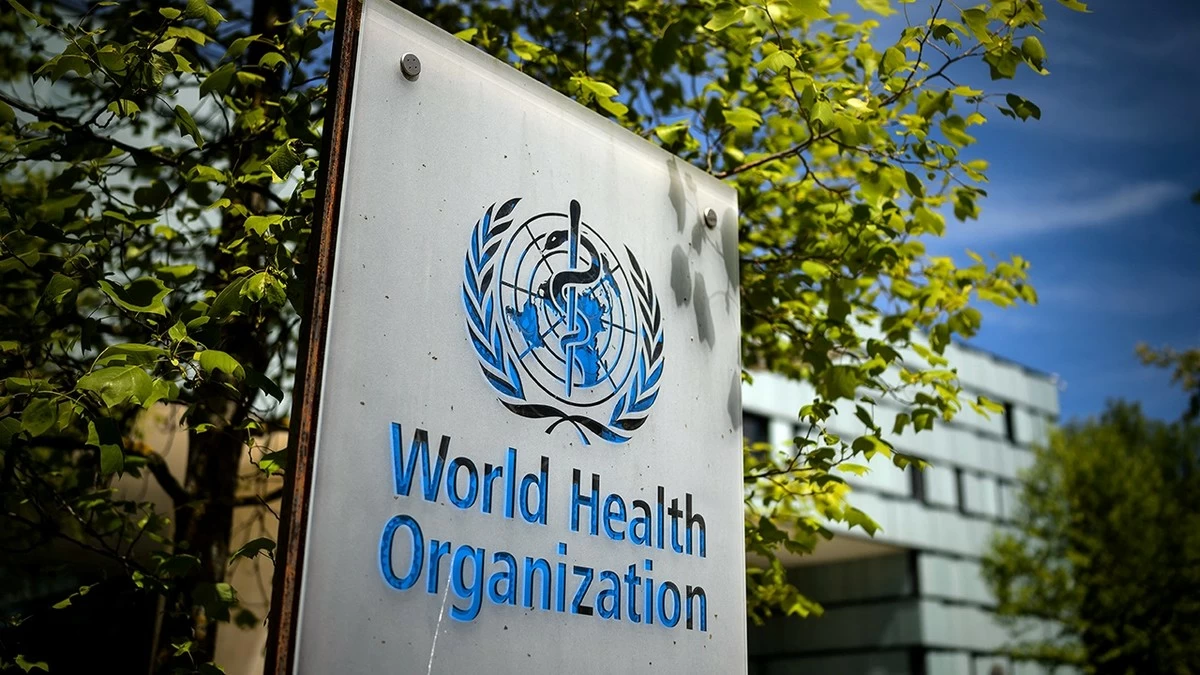
GENEVA/LYON, Feb 4, (Xinhua): Up to 40 percent of cancer cases worldwide are preventable, the World Health Organization (WHO) said Tuesday. In a joint news release issued from Geneva and Lyon ahead of World Cancer Day, the WHO said the conclusion is based on a new global analysis conducted by the WHO and its International Agency for Research on Cancer.
The study examined 30 preventable risk factors, including tobacco and alcohol use, high body mass index, physical inactivity, air pollution, ultraviolet radiation, and, for the first time, nine cancer-causing infections.
Published the same day in Nature Medicine, “the analysis estimates that 37 percent of all new cancer cases in 2022, around 7.1 million cases, were linked to preventable causes,” said the release, noting that “the findings highlight the enormous potential of prevention in reducing the global cancer burden.” Drawing on data from 185 countries and 36 cancer types, the study identifies tobacco as the leading preventable cause of cancer worldwide, accounting for 15 percent of all new cases. It is followed by infections and alcohol consumption. Globally, three cancer types, lung, stomach, and cervical cancer, accounted for nearly half of all preventable cases in both men and women.
Lung cancer was primarily associated with smoking and air pollution, stomach cancer was largely attributable to Helicobacter pylori infection, and cervical cancer was overwhelmingly caused by human papillomavirus (HPV). “This is the first global analysis to show how much cancer risk comes from causes we can prevent,” said Andre Ilbawi, WHO Team Lead for Cancer Control, and author of the study.
“By examining patterns across countries and population groups, we can provide governments and individuals with more specific information to help prevent many cancer cases before they start.” According to the report, the burden of preventable cancer was substantially higher in men than in women, with 45 percent of new cancer cases in men compared with 30 percent in women. Among men, smoking accounted for an estimated 23 percent of all new cancer cases, followed by infections at 9 percent and alcohol at 4 percent. Among women globally, infections accounted for 11 percent of all new cancer cases, followed by smoking at 6 percent and high body mass index at 3 percent.
The findings underscore the need for context-specific prevention strategies that include strong tobacco control measures, alcohol regulation, vaccination against cancer-causing infections such as HPV and hepatitis B, improved air quality, safer workplaces, and healthier food and physical activity environments, says the WHO. Meanwhile, scientists in Australia have mapped the “neighborhoods” of lung cancer cells and found that cell metabolism plays a key role in determining how patients respond to immunotherapy.
Researchers from the University of Queensland’s (UQ) Frazer Institute studied cell interactions at cellular resolution in non-small cell lung carcinoma, the most common form of lung cancer, to better understand why some patients don’t respond to immunotherapy treatment, said a UQ statement on Wednesday.
Using machine-learning algorithms and computational approaches, the study, published in Nature Communications, examined how cells interact and metabolize glucose, which cancer cells thrive on, said Associate Professor Arutha Kulasinghe from UQ’s Frazer Institute. “We were able to dive deep into the complex nature of cells, basically looking at the cells’ personal lives in the complex composition of a tumor, and found certain metabolic neighborhoods were associated with response and resistance to immunotherapy,” Kulasinghe said. Immunotherapy is costly and benefits only a minority of patients, he said, adding that “it’s important to understand how to identify these patients, and those that might need combination or alternative therapies.”
Lead author James Monkman from UQ’s Frazer Institute said higher glucose uptake in cancer cells was associated with poorer outcomes. “We know cancer cells love sugar, and we analyzed where glucose was being processed in the cells and where it wasn’t,” Monkman said. “You could have a region of a tumor processing glucose in a completely different way to another area of the tumor.” The next step is to develop targeted treatments, such as with metabolic inhibitors, to make immunotherapy more effective, and eventually enable precision medicine tailored to each patient’s tumor, with plans to extend the approach to other cancers, the researchers said.