


05/06/2026

Share:
05/06/2026
Share:

TEHRAN / NEW YORK, Jun 5: The ongoing Middle East conflict is worsening food insecurity across the region, pushing millions closer to hunger as rising energy and transport costs drive up food prices, the U.N. World Food Programme (WFP) warned on Friday.
The agency said funding shortfalls are also forcing humanitarian operations to scale back assistance, deepening the crisis for vulnerable populations already struggling with economic instability and supply disruptions.
In a March outlook, the WFP estimated that as many as 45 million people could fall into acute food insecurity if oil prices remained around $100 per barrel through June. The agency said that scenario is now materialising, with benchmark crude prices staying above that level for several months.
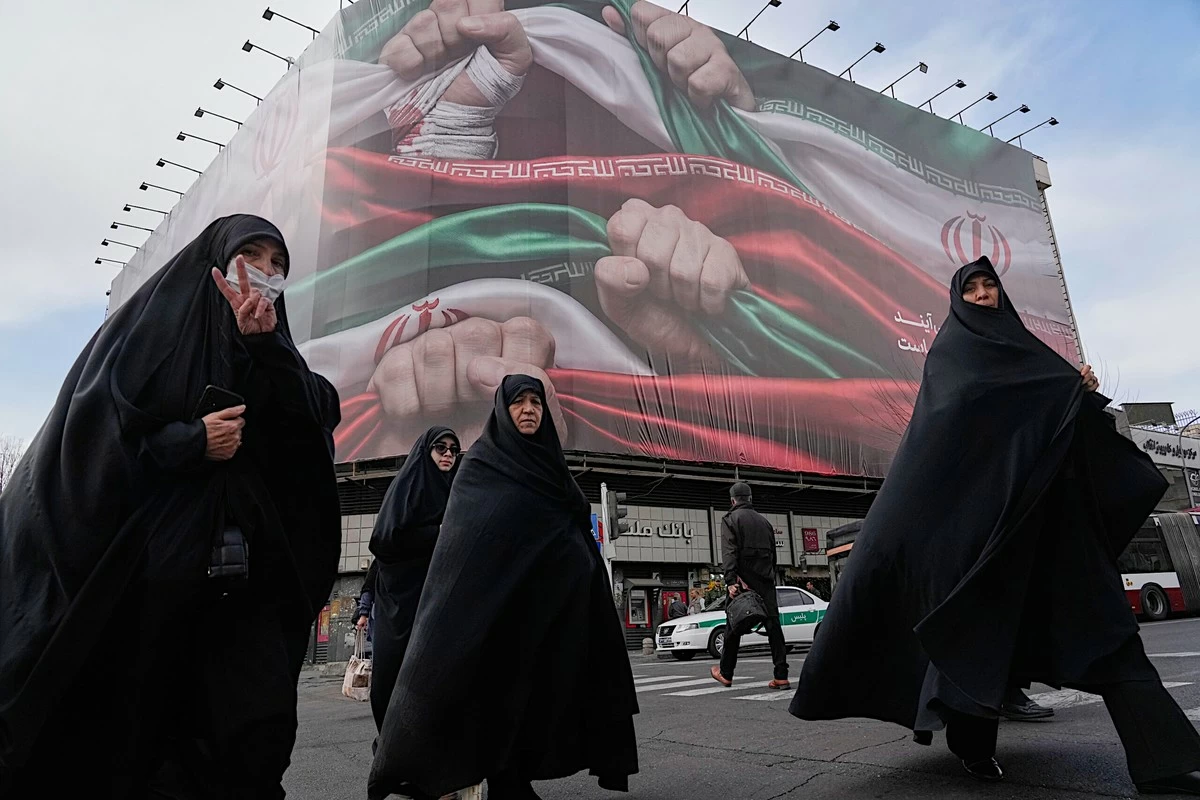
Meanwhile in Iran, senior religious and political figures delivered strongly worded statements reflecting the country’s hardened position amid regional tensions.
Tehran’s Friday prayer leader Mohammad Javad Haj Ali Akbari said Iran has reached a stage where official military statements now carry an impact comparable to “precision-guided missiles,” suggesting that strategic messaging alone can influence geopolitical dynamics.
“Previously, when the enemy frowned or moved a warship, the value of our national currency would fall,” he said. “Today, we have a new equation. There is no longer any need to press the missile launch button. Even when our fighters take up their pens… it sends a tremor through our enemies.”
In a separate address, Karaj Friday prayer leader Mohammad-Mehdi Hosseini Hamedani declared that Iran’s nuclear enrichment programme is “non-negotiable,” describing it as part of the country’s national identity.
He warned that any Israeli action would carry consequences involving the United States and said regional countries should avoid “mistakes or negligence,” adding that Iran would act firmly in defence of its national interests.
The remarks come amid heightened regional tensions, with diplomatic and security rhetoric intensifying alongside worsening humanitarian conditions across parts of the Middle East.