


01/07/2026

Share:
01/07/2026
Share:
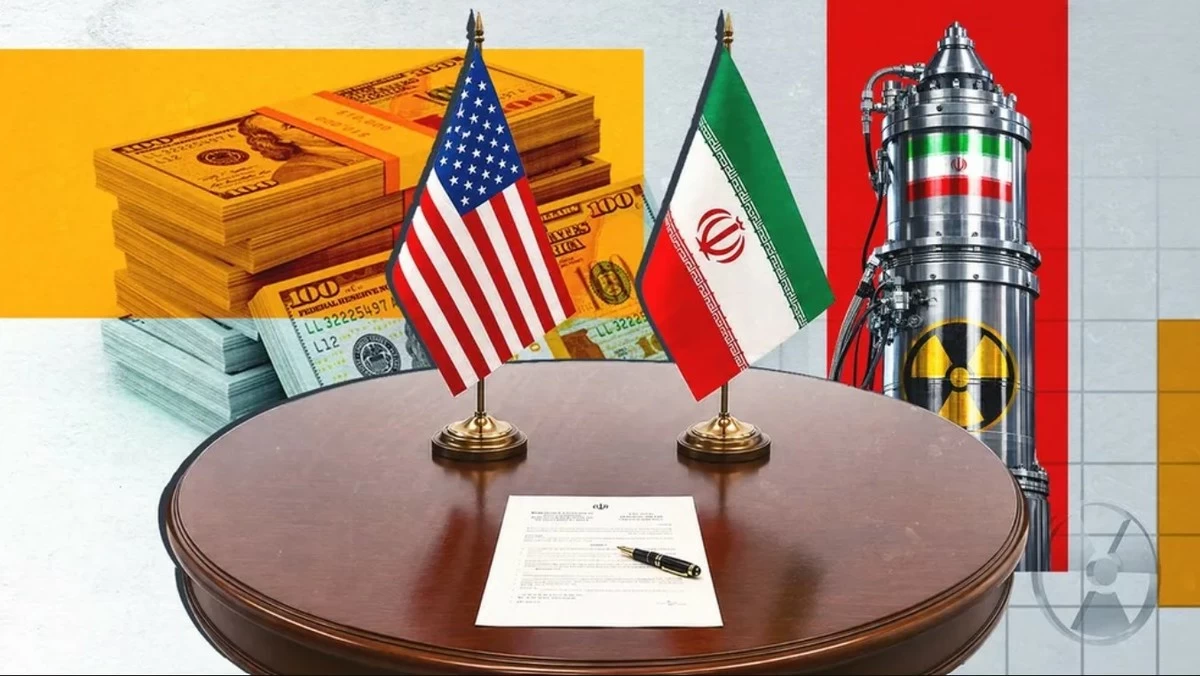

GENEVA, July 1: The United Nations Special Rapporteur on the situation of human rights in Iran, Mai Sato, has criticized the US-Iran memorandum of understanding (MoU), warning that the agreement risks leaving Iranians without accountability by failing to address human rights concerns.
In an interview published Wednesday by Geneva Solutions, Sato said the framework primarily advances geopolitical objectives while overlooking the needs of the Iranian people.
"The Iranian people are barely visible in the framework," Sato said. "It serves geopolitical interests while leaving the Iranian people behind."
She cautioned that any final agreement that excludes human rights protections could restore conditions that existed before the conflict—or even worsen repression.
"An MoU, and the final agreement, that doesn't address the human rights situation risks simply reverting to how things were before or worse, enabling further repression through a continued lack of accountability," she said.
According to Sato, the memorandum focuses largely on military de-escalation, reopening the Strait of Hormuz and nuclear-related commitments, while only indirectly addressing civilian welfare through a reconstruction fund.
She also noted that Iran's economic challenges cannot be attributed solely to war and sanctions, saying domestic policy decisions have also contributed to the country's hardships.
Sato said she hopes a final agreement will include concrete human rights measures, including a halt to executions, the release of arbitrarily detained individuals, guaranteed open internet access and stronger protections for civic freedoms.
The UN expert also revealed that she had contacted US authorities regarding alleged human rights violations committed during the conflict but had yet to receive a response.
"I have indeed reached out, but haven't received a response," she said.