



22/04/2026

Share:
22/04/2026
Share:

The Conversation is an independent and nonprofit source of news, analysis and commentary from academic experts.
By Angelica P. Ahrens and Eric W. Triplett, University of Florida, and Johnny Ludvigsson, Linköping University
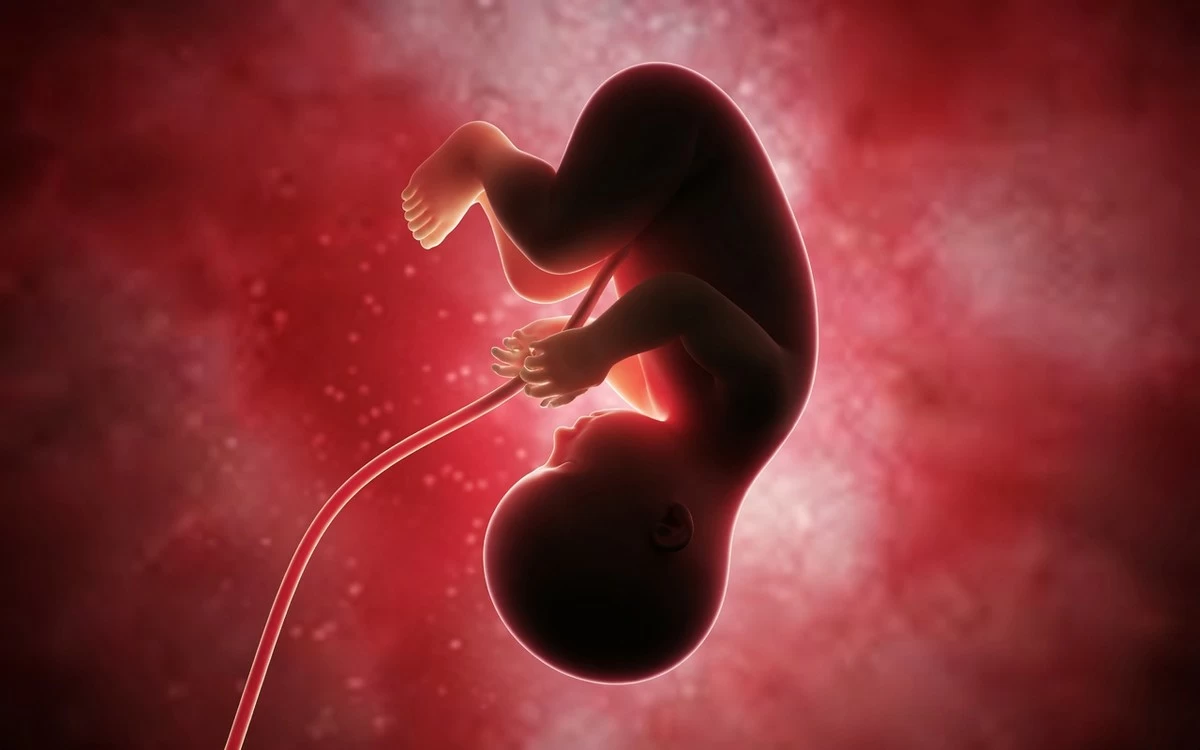
Your early life may quietly set the stage for developing Type 1 diabetes, an increasingly common, lifelong condition that can significantly affect daily life. Our team’s research, published in the journal Nature Communications, shows that biological pathways associated with future Type 1 diabetes may begin as early as pregnancy, and that these signs could be detected in umbilical cord blood. As a group, we study how living systems respond to stress. Understanding the early biology of Type 1 diabetes can help uncover windows of opportunity to treat the disease sooner.
Type 1 diabetes affects the pancreas. Specifically, its insulin-producing beta cells, which help control blood sugar, are progressively destroyed. While this condition has typically been attributed to a dysfunctional immune system, a growing body of research suggests that beta cells themselves play an active role in disease development. Beta cells become stressed when overworked or exposed to harmful conditions. In some cases, they may even self-destruct before the immune system shows signs of affecting the pancreas. Potential stressors include infection, increased energy demands, and smaller pancreas size. Type 1 diabetes does not fit neatly within the traditional definition of an autoimmune disease. It ultimately develops when the body can no longer make enough insulin. During periods of increased demand for insulin, such as after consuming a large amount of carbohydrates or during an infection, beta cells are forced to work harder. When stressed beta cells stop working properly or die, they release molecular signals that can activate an immune response. This raises the possibility that immune responses may, in some cases, follow rather than initiate beta cell injury.
These observations suggest that stressed beta cells are not merely a consequence of Type 1 diabetes but also a contributor to its onset. Our team wanted to see whether we could detect early signs of beta cell vulnerability before Type 1 diabetes symptoms start - or even before the immune system begins attacking the pancreas. While genetics does play a role in Type 1 diabetes, an increasing number of people without a family history of diabetes are developing the disease. Much of the existing research has focused on children with high genetic risk. This is in part because, although Type 1 diabetes is increasing, it’s relatively rare - affecting less than 1% of people globally - making it hard to study before the disease starts. In contrast, we sought to study children from a general population, not just those known to be at high risk for Type 1 diabetes. So we used data from the All Babies in Southeast Sweden cohort, a longitudinal study founded by one of us, Johnny Ludvigsson, which has been following mothers and their children since the late 1990s.
As part of the study, researchers collected and stored umbilical cord blood samples. Decades later, we selected samples from babies who later developed Type 1 diabetes for this study and screened them for proteins known to be involved in inflammation. We then used machine learning tools to identify factors linked to disease risk. We found that the levels of several proteins in umbilical cord blood predicted the likelihood of whether a child in this cohort developed Type 1 diabetes in the future. These protein biomarkers fell into a few categories, including ones that help molecules get to where they need to be; ones that do not belong in the body, such as pollution; ones involved in the maintenance of cell structure; and ones that help regulate immune responses.
Our machine learning tool also identified some proteins that were associated with the absence of future Type 1 diabetes. These proteins, like tissue inhibitor of metalloproteinases- 3 (TIMP3) and adenosine deaminase (ADA), are known to regulate inflammation by suppressing overactive immune responses, supporting healthy cellular communication and improving insulin production. Researchers have previously found that TIMP3 plays a role in glucose stabilization. We found that levels of two specific proteins best predicted whether a baby would eventually develop Type 1 diabetes: IDS, which helps break down the long sugar molecules giving tissues strength and flexibility, and HLA-DRA, which is involved in activating the immune system.
Type 1 diabetes is known to affect the long sugar molecules that IDS breaks down in several organs. Importantly, the ability of these proteins to predict disease risk wasn’t heavily reliant on genetics. Although some differences were more pronounced in children with certain variants of HLA linked to increased risk of Type 1 diabetes, including this information in our machine learning algorithm only marginally improved accuracy. Instead, the proteins themselves were driving disease risk. (AP)