


26/11/2026

Share:
26/11/2026
Share:


KUWAIT CITY, Nov 26: Ukraine's Ambassador to Kuwait Maksym Subkh has called on governments and parliaments around the world to recognize the Holodomor famine of 1932-1933 as genocide against the Ukrainian people, urging the international community to remember its millions of victims and uphold the right to food.
In a statement marking the 93rd anniversary of the famine, Subkh said the tragedy carries a humanitarian message that extends beyond Ukraine, highlighting the need to protect civilians from starvation and ensure that humanitarian assistance reaches those in need.
He said Ukrainians would light candles in their windows on Saturday evening, Nov 28, and observe a minute of silence at 4 pm Kyiv time, corresponding to 5 pm Kuwait time, in memory of the victims.
The ambassador said the occasion also provides an opportunity to remember victims of two other man-made famines in Ukraine, during 1921-1923 and 1946-1947.
Soviet policies
Subkh said the Holodomor was the result of deliberate policies pursued by the Soviet authorities, which deprived millions of people of food. At the height of the famine, authorities continued confiscating grain and other food supplies from peasant households, imposed blockades on entire villages and regions, restricted trade and prevented residents of affected areas from leaving in search of food.
He said these measures turned hunger into an instrument used to target Ukrainians as a national group. Ukraine adopted a law in 2006 recognizing the Holodomor as genocide against the Ukrainian people.
The Soviet regime also sought to conceal the famine by refusing outside assistance, preventing starvation from being recorded as a cause of death and destroying civil records, he said.
Subkh noted that reports by journalists who witnessed the events, along with the accounts of survivors and their families, helped preserve the truth about the tragedy. Researchers subsequently documented the famine and exposed the policies that led to it.
He stressed the importance of preserving historical memory and passing the facts on to future generations to ensure that the victims' suffering is not forgotten.
The ambassador said the Holodomor should not be remembered solely as a Ukrainian historical tragedy. It also carries a universal message about the right to food, the protection of civilians from starvation and the need to ensure access to humanitarian assistance.
He warned that the tragedy illustrates the consequences of using control over food as a means of coercion or preventing people from seeking help.
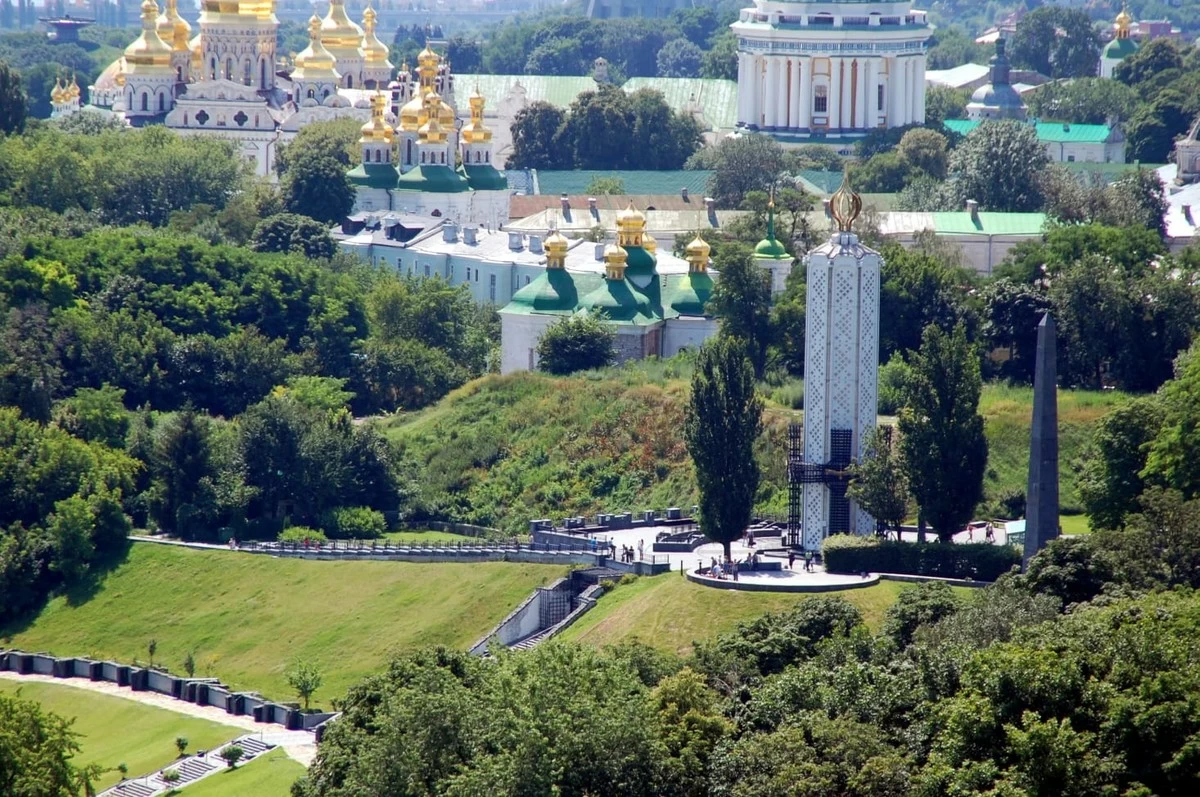
Ukraine's food assistance
Subkh said the experience of the Holodomor had strengthened Ukraine's understanding of the importance of food security and solidarity with populations facing hunger.
He pointed to the Grain from Ukraine initiative, launched by Ukrainian President Volodymyr Zelenskyy in 2022 and later developed into a broader programme known as Food from Ukraine.
Since the initiative began, Ukraine, with support from international partners, has sent more than 324,000 tonnes of grain, flour and other agricultural products to countries and regions in need, including Palestine, particularly the Gaza Strip, as well as Sudan, Syria and Yemen.
The assistance has helped provide food to more than eight million people worldwide, he said.
Subkh expressed appreciation for Kuwait's humanitarian solidarity with Ukraine and invited citizens and residents to join the commemoration by lighting a candle in their home windows on Saturday evening.
He said the symbolic gesture would honour the millions of victims and express solidarity with people facing hunger, while underscoring the international community's shared responsibility to protect human life and prevent such tragedies from recurring.
The ambassador concluded by urging governments and parliaments worldwide to formally recognize the Holodomor as genocide against the Ukrainian people.
He said 28 countries have so far recognized the famine as genocide, along with the European Parliament, the Parliamentary Assembly of the Council of Europe and the Baltic Assembly.