



20/05/2026

Share:
20/05/2026
Share:
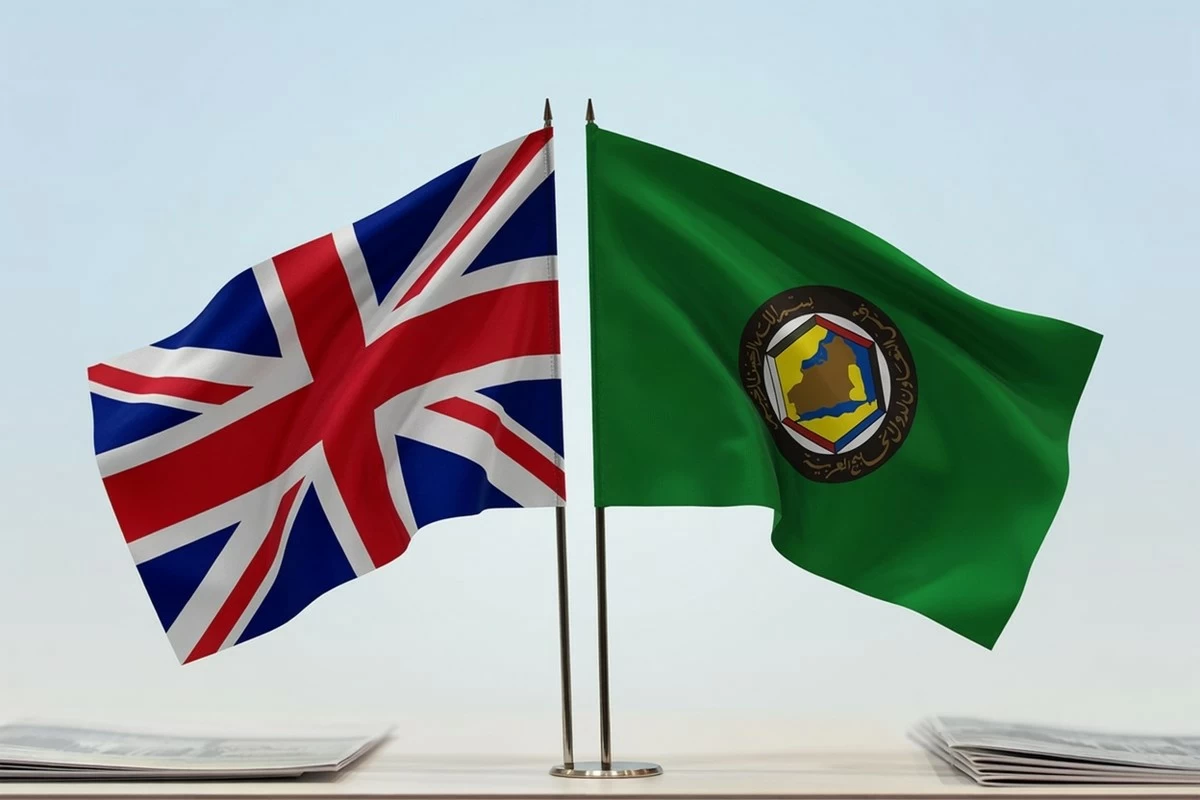

LONDON, May 20: The United Kingdom has signed a landmark trade agreement with the Gulf Cooperation Council (GCC) worth around $5 billion annually in the long term, strengthening economic ties with key Gulf allies amid regional instability linked to the ongoing Iran conflict.
The GCC comprises Bahrain, Kuwait, Oman, Qatar, Saudi Arabia and the United Arab Emirates.
The British government said the free trade agreement, announced on Wednesday, is projected to be worth £3.7 billion ($4.96 billion) a year over time—more than double earlier estimates of £1.6 billion when negotiations began in 2022.
UK Business and Trade Secretary Peter Kyle said the agreement sends a “clear signal of confidence” for UK exporters, providing long-term certainty for planning and investment.
Prime Minister Keir Starmer described the deal as a major win for British business, noting that it strengthens trade relations with one of the world’s fastest-growing economic regions.
The UK government said the agreement is the first free trade deal signed by a G7 country with the GCC, marking a significant milestone in Britain’s post-Brexit trade strategy. Officials said it could eliminate around £580 million in annual duties and significantly reduce tariffs on a wide range of British exports, including food products, medical equipment, luxury vehicles and industrial goods.
The deal also includes provisions on digital trade, including commitments on the free flow of data, which UK officials described as a “first-of-its-kind” feature in a GCC agreement.
The GCC countries together represent the UK’s fourth-largest non-EU export market, with bilateral trade currently valued at more than £50 billion annually. Analysts say the agreement could further boost investment flows in sectors such as energy, financial services, healthcare technology and renewable energy.
Officials in both the UK and Gulf states said the deal would deepen economic cooperation at a time of heightened geopolitical uncertainty in the wider Middle East region, including tensions linked to the Iran conflict, while also creating new opportunities for businesses on both sides.
Gulf ambassadors to the UK welcomed the agreement, describing it as a step forward in strengthening long-standing economic and political partnerships.