


18/01/2026

Share:
18/01/2026
Share:

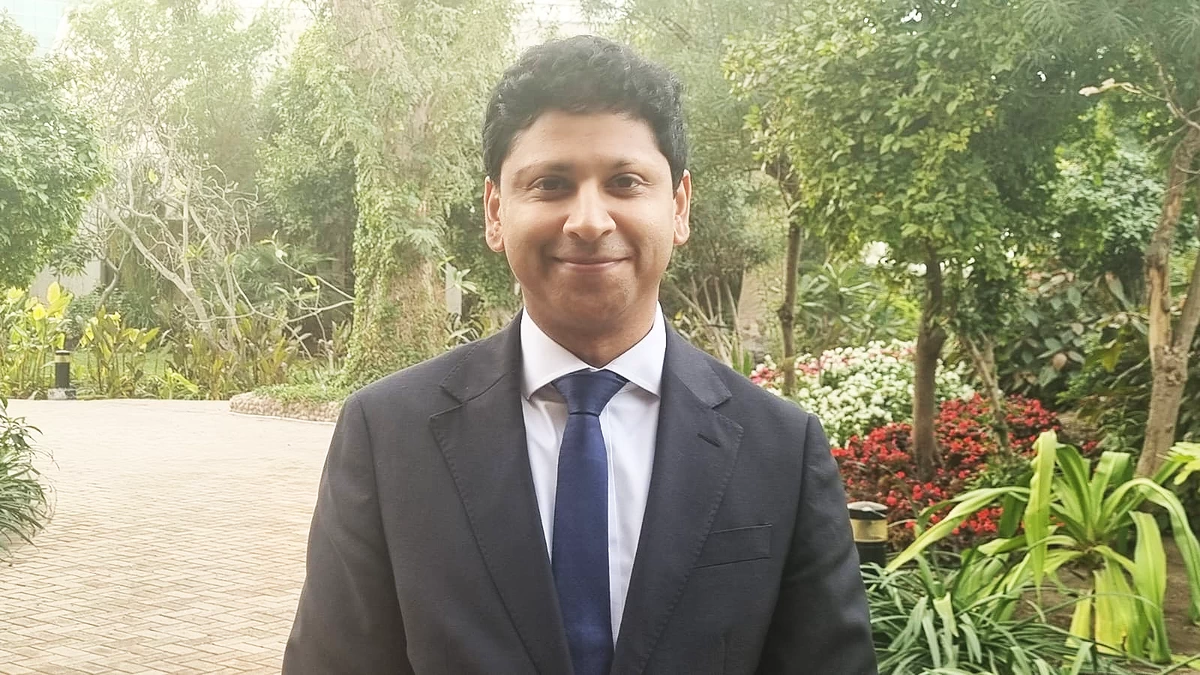
KUWAIT CITY, Jan 18: The British Ambassador to Kuwait HE. Qudsi Rasheed opened his first official press interaction by thanking members of the media, noting that he had already met many journalists, editors-in-chief, and legal representatives since assuming his post.
He explained that although he had wished to meet the press immediately after presenting his credentials on December 16, scheduling pressures meant the meeting was delayed. “In my mind, this remains my first official opportunity to speak to the press,” he said, adding that while he had attended several public events, this marked his first formal media engagement.
The ambassador also referred to a New Year message he had sent earlier to editors, expressing appreciation for the warm reception he had received since arriving in Kuwait. He extended his gratitude not only to the media, but to Kuwait as a whole.
Describing his welcome, the ambassador said it had been exceptionally warm at all levels, from His Highness, the Amir and the government to the wider public. He added that both he and his family feel settled and at home in Kuwait.
Since his arrival, the ambassador said he has had the opportunity to engage closely with Kuwaiti society, travelling across the country, visiting farms in Wafra, spending time in the desert in Jahra, and attending diwaniyas. These experiences, he noted, provided valuable insight into Kuwait’s culture, values, history, and heritage.
Reflecting on his early impressions, the ambassador highlighted three themes that have stood out. The first, he said, is the depth and closeness of the relationship between Britain and Kuwait. “You feel it everywhere,” he remarked, noting that British influence is evident in everyday life, from sports and culture to the strong personal connections many Kuwaitis have with the UK.
The second striking feature, he said, is the energy of the Kuwaiti people. He praised their dynamism, creativity, and strong work ethic, describing a society full of ideas and ambition, reflected also in national development plans such as Kuwait Vision 2035.
The third characteristic he highlighted was the openness of Kuwaiti society. He pointed to the active media landscape and the willingness of people to openly discuss politics, economics, sports, and social issues. Despite having been in Kuwait for only three months, he said he had already met thousands of people, describing the pace of engagement as remarkable.
Concluding his introductory remarks, the ambassador said he looked forward to engaging further with the media and answering questions on his experience, priorities, and the future of UK-Kuwait relations.
Question: What message did His Highness convey to you when you presented your credentials, and what advice did he offer?
Answer: His Highness was extremely warm and welcoming. He emphasized the importance of the longstanding relationship between the United Kingdom and Kuwait, and the distinct roles both countries have played in each other’s histories. He spoke of Kuwait’s importance to the UK and conveyed that Kuwait should feel like a second home to me—just as the UK has long been a second home for many Kuwaitis. He highlighted this mutual sense of belonging between our peoples. His advice to me was to focus on truly understanding Kuwait—its culture, its people, and its values—and to make that understanding central to my work.
Question: Your Excellency, among the many issues on your agenda, which priority areas do you intend to focus on and develop?
Answer: As a diplomat, it is difficult to identify a single priority, because there are several areas that matter deeply. At the heart of my work is maintaining, deepening, and strengthening the bilateral relationship between the United Kingdom and Kuwait. That relationship spans foreign policy, the close ties between the ruling family here and the Royal Family in the UK, as well as people-to-people connections, culture, and many other areas of cooperation.
Importantly, I believe the UK–Kuwait relationship should not be defined solely by the past, but also by the present and the future. All three are essential. Our shared history must be preserved, and we must remember those who came before us. I am reminded of that every day by the historical gifts and symbols that surround me, reflecting the long-standing friendship between our two countries and the contributions made on both sides.
At the same time, the present matters greatly. There is a great deal happening today in business, education, healthcare, politics, and regional foreign policy, and these areas require continuous engagement and cooperation. Looking ahead, the future is equally critical. Young people—both in Kuwait and in the UK—will shape the next chapter of our partnership. As we mark 35 years since the liberation of Kuwait, the question is how we work together as partners for the next 35 years and beyond.
Trade is another key priority. For me, the trading relationship extends well beyond commerce and business-to-business ties. It includes cooperation in healthcare, education, defense, technology, and other strategic sectors. This is particularly important as both countries undergo significant transformation. Kuwait is advancing its Vision 2035, while the UK is implementing its industrial strategy, focused on the industries that will drive future growth.
The challenge—and the opportunity—is to align these two visions. Areas such as artificial intelligence, data centers, cybersecurity, and advanced manufacturing are likely to be central to our cooperation in the years ahead
Question: Given the ambitious scope of Vision 2035, how do you perceive its prospects? To what extent is the British government engaged, and what role do you play in encouraging their active involvement?
Answer: Vision 2035 is a good and necessary vision. It covers the entire country, and it’s something the UK fully supports. We’re now less than ten years away from 2035, but I think the phase we’re in now is really the implementation phase. People, whether in Kuwait or outside, now understand what’s needed—especially in terms of transforming the economy, developing infrastructure, and attracting foreign investment.
British companies are very positive about the opportunities here. Everyone knows Kuwait’s potential—from its population to its resources. The big question now, especially for UK companies, is how best to enter the market. In some areas, like oil and gas, where British companies have long-standing relationships, it’s easier. In other areas, there may be more challenges.
Our role as the government isn’t to tell companies what to do, they make their own independent decisions. What we do is help them understand the opportunities, connect them with the right relationships in Kuwait, and communicate back to the Kuwaiti government the challenges companies face. Ultimately, companies will come if the opportunities are here—they want to succeed and do well. Our job is to support them and ensure their concerns are heard
Question: On the defense front, are there any agreements planned or joint training exercises in the works, particularly given the current regional tensions?
Answer: I wouldn’t necessarily link our defense activities to tensions in the region. We have several ongoing training programs with Kuwait on the defense side. Just this month and next, we’re running a major exercise between our two armies called Exercise Desert Warrior. Several British soldiers arrived in Kuwait a few days ago and are currently training alongside the Kuwaiti Armed Forces. I’m scheduled to attend the final closing session, which will take place the week before Ramadan.
This kind of training happens continuously. Many Kuwaiti military personnel also go to the UK for programs at our training facilities. Sandhurst is the most well-known, but we also have Dartmouth for the Navy and other programs. Just last week, I met cadets who completed two years at Sandhurst—they’re now returning to Kuwait to serve not only in the army but also in other areas, including the Ministry of Interior and the Coast Guard. We’ve even had the first female Coast Guard cadets go to the UK for training.
So, these programs are permanent and ongoing. There is a longstanding British commitment to Kuwait’s security, which dates back over 120 years and was particularly clear during the 1990 invasion. While the region may not yet be fully stabilized, our collaboration and support for Kuwait’s armed forces remain continuous and strong.
Question: The UK has a long-standing commitment to Kuwait’s security, dating back over 120 years, as was evident during the 1990 invasion. Today, the region remains unstable, with ongoing tensions and military actions involving multiple players, including the United States and allies such as Greenland. In this context, how would the UK respond if a significant security incident were to occur in the region? And is your commitment to Kuwait and the wider GCC still firm, even if other players in the region are allied with different sides?
Answer: There’s a lot to unpack in your question. I would start by saying that Kuwait, like the rest of the region and the United States, is an ally of the UK, and we share deep interests across economic, political, and military fields. These ties are longstanding and strong, both historically and today.
On the ground, we have over 20 British military officials permanently stationed here, integrated into the Kuwaiti Armed Forces. There is also extensive military cooperation, as I mentioned earlier, not just in Kuwait but across the region, including Qatar and Bahrain. That demonstrates the visible and ongoing commitment of the UK.
Of course, it’s difficult to speculate about the future. You mentioned Greenland, the United States, and the wider region. The world is uncertain, and none of us can predict everything that will happen. Regarding Greenland, the UK has been clear that we stand with Denmark, as Greenland is a Danish territory. NATO obligations are clear under Article 5, and the future of Greenland is ultimately a matter for Denmark and the people of Greenland.
At the same time, it’s not unusual for allies to have differing views on certain issues. Disagreements exist, but the strength of our friendships, alliances, and partnerships ensures there is always a channel for discussion.
As for Kuwait’s foreign policy, that is for Kuwait to define. What is clear is that Kuwait has consistently played a positive and stabilizing role in the region, helping to maintain peace and stability in many historical situations. We respect their approach and continue to work closely with them.
Question: UK recently announced the opening of a Palestinian embassy, following your recognition of Palestine four months ago. How do you assess this step, and what kind of support can the UK provide—particularly in coordination with Kuwait—toward the reconstruction of Palestine?
Answer: Britain has a historic and moral responsibility when it comes to Palestine. That responsibility is clear, and it guides our commitment to ensuring justice for the Palestinian people, including the stability and security of a Palestinian state.
The recent recognition of Palestine and the opening of the embassy is one step on that journey. It’s not the final step—there is still much to be done to help Palestine achieve the stability and security it needs as a state, and we stand ready to support that.
In Gaza, this includes putting pressure on Israel to allow the Palestinian people a life of dignity. Aid must flow freely, borders must be opened, and NGOs and the UN need to operate without restrictions to support the people on the ground. We continue to engage with Israel to explain why this is not only a matter of justice for Palestinians but also in Israel’s interest.
In terms of direct support, the UK has provided over £100 million in aid to Gaza this year, and around £250 million over the last two years. This includes food, medical care, shelter, and now reconstruction efforts. We have also contributed £4 million for mine clearance to address unexploded ordnances.
Recognition and the embassy are important visible steps, but there is still much work ahead. We remain committed to doing what we can—both by engaging diplomatically and providing tangible support on the ground.
Question: Earlier, there were reports suggesting that Iran might target American bases in the region. If such an attack were to occur, how would the UK, as an ally of the GCC countries, respond? What is your reaction to these threats?
Answer: It’s very difficult to speculate on specific scenarios. There are so many possibilities, and it’s not something that I—or even my ministers or government—can predict with certainty.
What I can say is that we have been very clear with the Iranian government that their current actions against peaceful protesters are unacceptable. That message has been communicated directly. At the same time, diplomacy and working toward negotiated solutions remain our top priority to ensure peace and stability in the region.
Our alliances in this region are strong and well-integrated—politically, economically, and militarily—but it’s simply impossible to predict exactly how events might unfold.
Question: What steps is the UK taking to address and reduce the trade deficit with Kuwait?
Answer: I wouldn’t say that reducing the trade gap is a specific objective. Different countries trade in different ways, with different imports and exports. Our focus is on increasing UK exports to Kuwait because there are clear opportunities and mutual benefits in doing so—not simply to close the trade gap.
Where Kuwait can export, it does so, and where Britain can export, we aim to expand our trade relations. There are many areas where we see potential for growth, including healthcare, education, defense, and technology. These are sectors where we are actively working to increase UK exports to Kuwait.
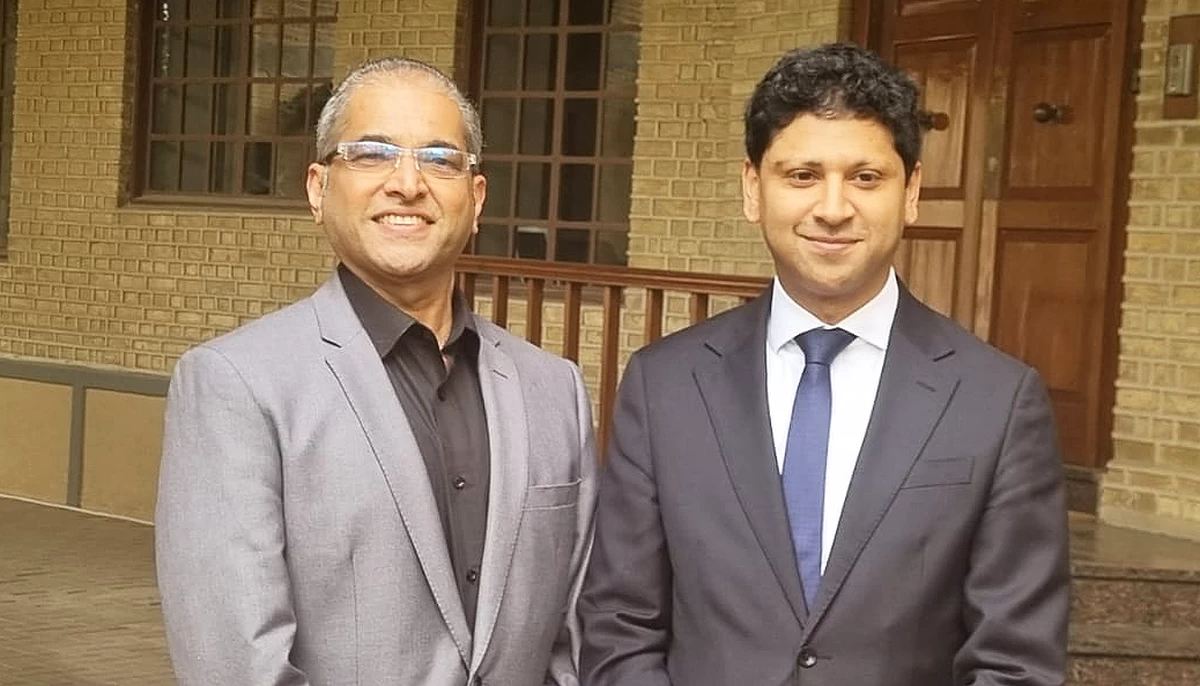
By John C Fernandes
Online Media Manager
Arab Times