


30/04/2026

Share:
30/04/2026
Share:

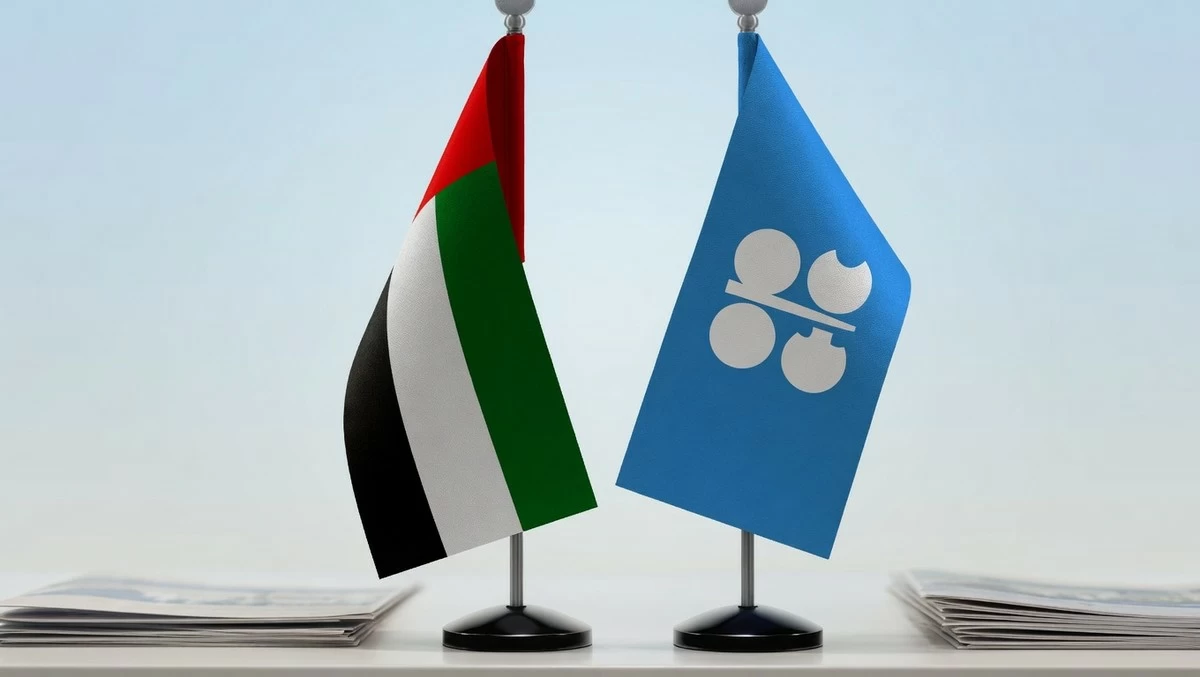
In an exclusive statement to the newspaper, former Minister and former Board Member of Kuwait Petroleum Corporation (KPC) Yahya Al-Sumait confirmed that the withdrawal of UAE from OPEC and OPEC+ two days ago will not cause a major shock to the global oil markets. He explained that the quota of UAE -- 3.4 million barrels per day -- can be divided among member states, including Kuwait and Saudi Arabia. He also ruled out the possibility of the Kuwaiti Ministry of Oil following the lead of the UAE, stating that the decision to leave OPEC is complex for Kuwait. Despite Kuwait being a founding and active member of the organization and a main player in stabilizing oil prices, he believes that leaving OPEC or the OPEC+ without careful planning and analysis is an ineffective and risky move with negative consequences. He indicated that Kuwait could wait at least a year. “If the withdrawal of UAE from OPEC and the OPEC+ proves successful, Kuwait could follow suit, but such a step requires extremely careful consideration,” he asserted.
Asked if the Kuwaiti oil sector is prepared to increase the quota of Kuwait after the withdrawal of UAE, Al-Sumait stressed that efforts are being intensified to increase the oil production capacity of Kuwait. He indicated that the quota of the UAE will inevitably be distributed among the member states. He also stressed the importance of expanding onshore and offshore exploration operations and the necessity of bringing the three offshore fields online as quickly as possible to increase the oil production of Kuwait. He is hoping that the production capacity of Kuwait will reach five million barrels per day, instead of the four million planned by KPC for 2035. He called on OPEC to manage the issue of increasing the quotas of member states after the withdrawal of UAE, without favoring any party, as mass withdrawal from OPEC or the OPEC+ could cause major disruption to the global oil market. Meanwhile, an oil sector source confirmed to the newspaper that the Kuwaiti oil sector has the capacity to increase the country's share in the OPEC+.
The source pointed out that previous indicators hinted on the withdrawal of the UAE, as it had planned to raise its production capacity to five million barrels per day by 2027. The source was quick to add that its sudden exit will not be a major shock, especially since several countries like Qatar, Indonesia and others had earlier withdrawn from OPEC. Regarding the timing of the withdrawal decision, the source pointed out that “the UAE played it smart, as all global indicators predict the rise in oil prices following resolution of the Strait of Hormuz crisis. Since the UAE currently possesses a massive oil reserve accumulated since the beginning of the war, it wants to profit from selling oil without being bound by the OPEC or OPEC+ quota.”
Oil expert Hajjaj Boukhadour affirmed that the withdrawal of the UAE is not a transition from the framework to the vacuum, but a move from the constraints of the quota to make its own decisions. “From a price set by the group to a price dictated by power, UAE no longer views oil as a resource confined under the collective ceiling but a temporal asset: every barrel postponed today may be depleted tomorrow, pressured by energy shifts. “When capacity expands and quotas shrink, discipline becomes a cost, not a safety net, and remaining in control becomes a forfeiture of a return that is unexpected,” he elaborated.
He asserted that the market will not collapse all at once, indicating that geographical tensions and the Strait of Hormuz crisis could stabilize prices in the short term. He said “the deeper impact lies not in the immediate price but in breaking discipline. If the UAE gradually increases its production, the fear will diminish, and the market will shift from managed scarcity to bargaining abundance. At that point, the question will no longer be, ‘How much does OPEC produce?’ but, ‘Who defines the price? Is it an organization that imposes restrictions or a power that is liberated?”