



26/09/2026

Share:
26/09/2026
Share:


Kamel Al-Harami
Two openings are vital to the global transit and transportation of oil. One is the Strait of Hormuz in the Arabian Gulf, while the other is Bab El-Mandeb in the Red Sea. Together, they account for approximately 15 million barrels of oil per day - 10 million barrels through the Gulf and 5 million barrels through the Red Sea. Both maritime openings face threats almost daily, creating uncertainty in oil markets and contributing to higher global oil prices. As a result, oil prices are being traded at nearly $100 a barrel, with no end to the uncertainty in sight in the coming days. Both are increasingly vulnerable to disruptions that could affect oil supplies moving to both the East and the West, with the risks potentially persisting for an extended period.
With OPEC’s basic price reaching approximately $115 a barrel, prices are approaching their highest levels, except during periods of actual war between countries or serious disruptions to oil supplies from the Arabian Gulf. This situation has less to do with the availability of oil and more to do with its delivery and the ability of oil tankers to transport crude from its point of origin to markets around the world. At the same time, it becomes more difficult to purchase and transport crude oil for storage and the replenishment of strategic oil reserves when transportation routes and supply sources are exposed to attacks or other forms of disruption.
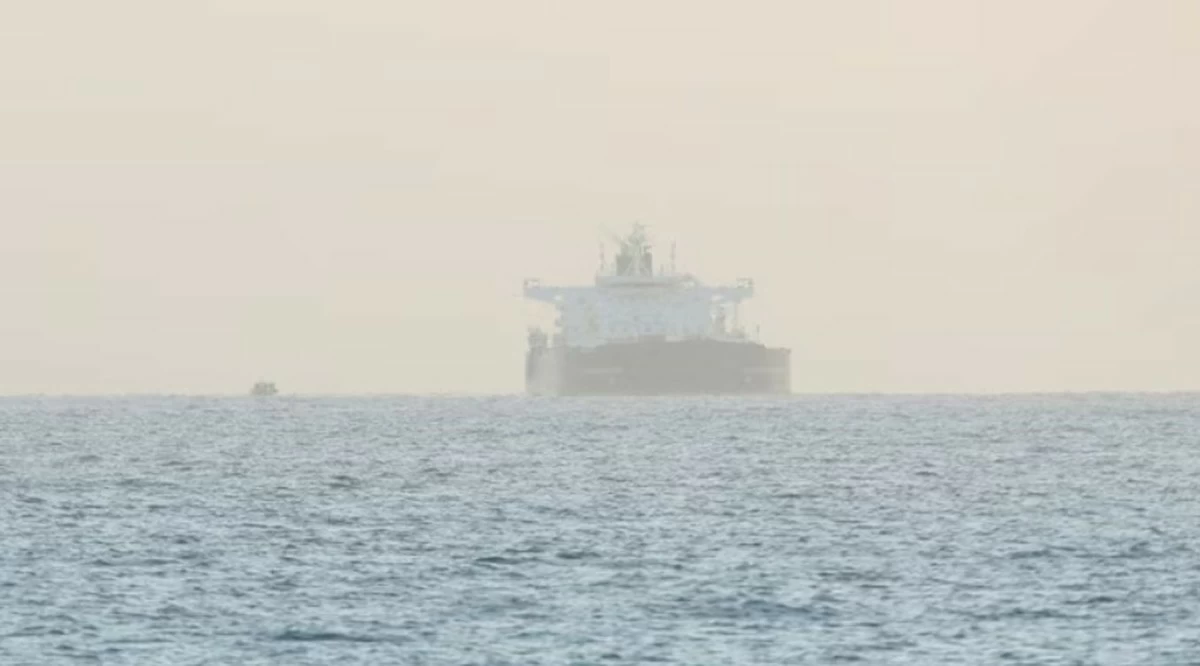
Otherwise, how do we explain Iran’s attacks on Kuwait, Bahrain, Saudi Arabia, and Qatar? The stated purpose is to disrupt oil production and exports, create concerns about potential shortages in global oil markets, and fuel uncertainty in the international oil market. Today, oil markets and consumers are focused on replenishing their stocks and rebuilding declining inventories, filling storage facilities to capacity in anticipation of any closure of the Gulf or the Red Sea and seeking to remain safe during the crisis. There are now talks about oil prices reaching $120 a barrel. While this appears to be an optimistic scenario, certainly no one wants to see prices reach that level. Such a situation could arise in the event of a major or complete closure of the Gulf, even with strategic reserves in place. As for the availability of strategic reserves through the Red Sea via the so-called “East-West” pipeline, its current capacity is estimated at no more than 4 million barrels per day, while other sources put the figure at around 2.7 million barrels per day.
The pipeline has the potential to reach 7 million barrels per day, but not at present. It has been designed to accommodate 7 million barrels per day in the coming years. There is also growing consideration of building up and storing oil outside the producing countries. This would be expensive, while also raising questions about how much oil should be stored and where. Most importantly, however, there is no certainty that the host country would allow the stored crude to be transported when needed, particularly if it faces shortages of its own. In such circumstances, the host country could have greater control over the stored oil and prioritize its own needs rather than allowing it to be exported.
Therefore, storing oil outside one’s own country raises many questions, with no assurance that answers will be available when they are most needed. Certainly, there are no guarantees when oil and other goods are placed in someone else’s hands. In times of need, security and access cannot always be guaranteed. Let’s hope the two openings stay safe and secure and that oil continues to flow freely to the world without disruptions or fear. The Gulf and the Red Sea must remain safe and free from threats, as they represent vital routes for the uninterrupted flow of oil to all parts of the world.
By Kamel Al-Harami
Independent Oil Analyst
Email: naftikuwaiti@yahoo. com
Independent Oil Analyst
Email: naftikuwaiti@yahoo. com