



15/10/2026

Share:
15/10/2026
Share:
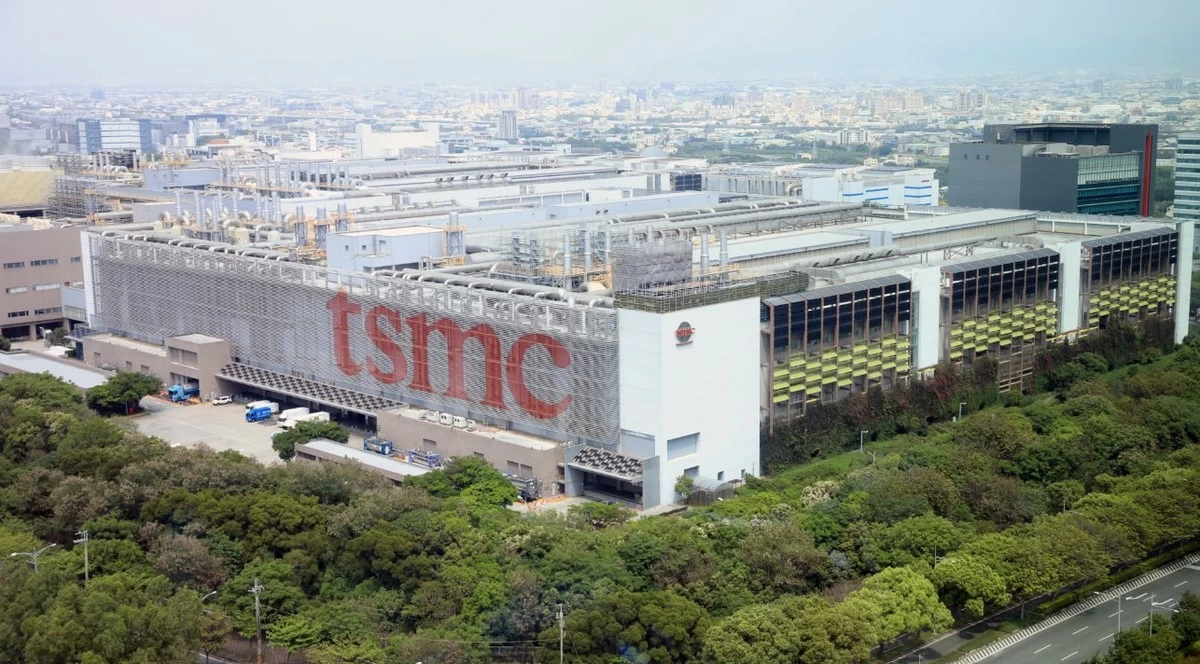

TAIPEI, Oct 15: Taiwan Semiconductor Manufacturing Company (TSMC), the world’s largest contract chipmaker, reported a 68.7% year-on-year increase in third-quarter net profit on Thursday, marking its sixth consecutive quarter of record earnings as global demand for artificial intelligence (AI) chips continues to grow.
TSMC’s net profit reached NT$763.1 billion ($23.5 billion), exceeding market forecasts, according to the company’s financial report. Revenue also surpassed expectations, totalling $46.36 billion.
The company reported an operating profit margin of 58.7%, above the upper end of its guidance range of 58%, reflecting strong demand for advanced semiconductors used in AI computing and other high-performance applications.
High-performance computing accounted for 68% of TSMC’s third-quarter revenue, making it the company’s largest business platform. Smartphones ranked second, contributing 21% of revenue.
Advanced manufacturing technologies continued to play a major role in the company’s performance. Chips produced using TSMC’s 3-nanometre process accounted for 33% of quarterly revenue, the largest share among its manufacturing technologies, followed by 5-nanometre and 7-nanometre chips.
The automotive business recorded the fastest quarterly growth among TSMC’s business platforms, with revenue increasing 23% from the previous three months.
The company also reported a substantial improvement in cash generation. Free cash flow climbed to $14.7 billion, compared with $4.3 billion in the same period a year earlier.
The results underscore the growing importance of advanced semiconductor manufacturing as technology companies expand their investments in AI infrastructure, including data centres and high-performance computing systems.
US expansion plans
TSMC’s strong earnings come as it continues to expand its manufacturing presence in the United States.
During its second-quarter earnings announcement in July, the company outlined plans involving total planned investment of $265 billion in Arizona, reflecting its broader efforts to expand production capacity and strengthen its international manufacturing footprint.
The company’s latest results highlight the continuing strength of demand for advanced chips, particularly those used in AI applications, as semiconductor manufacturers respond to rapidly growing computing requirements.