


20/02/2026

Share:
20/02/2026
Share:
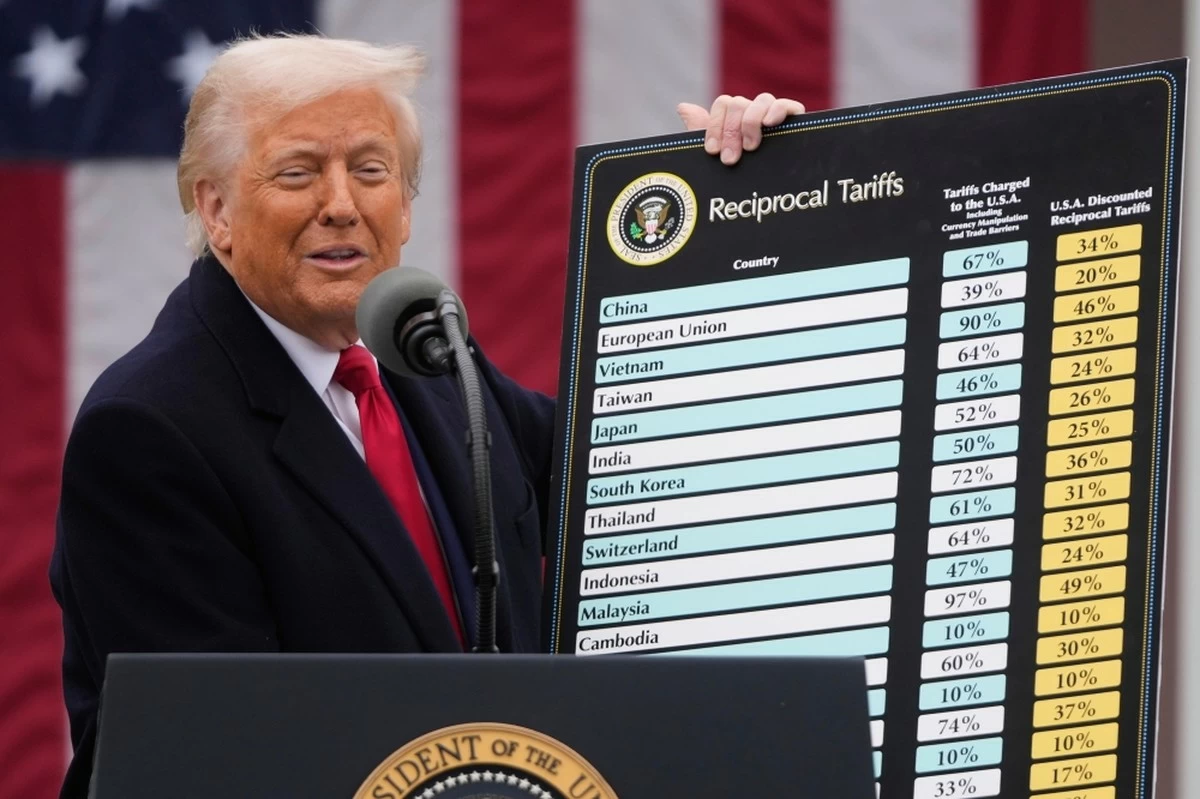

WASHINGTON, Feb 20 (AP) : The Supreme Court struck down President Donald Trump’s far-reaching global tariffs in a 6-3 decision on Friday, handing him a stinging loss on an issue crucial to his economic agenda.
Furious about the defeat, Trump said he will impose a global 10% tariff as an alternative while pressing his trade policies by other means. The new tariffs would come under a law that restricts them to 150 days.
He made that announcement after lashing out at the Supreme Court for striking down much of his sweeping tariff infrastructure as an illegal use of emergency power. Trump said he was “absolutely ashamed” of justices who voted to strike down his tariffs and called the ruling “deeply disappointing.”
“Their decision is incorrect,” he said. “But it doesn’t matter because we have very powerful alternatives.”
Earlier, The Supreme Court struck down President Donald Trump’s far-reaching global tariffs on Friday, handing him a stinging loss on an issue crucial to his economic agenda.
Furious about the defeat, Trump said he will impose a global 10% tariff as an alternative while pressing his trade policies by other means. The new tariffs would come under a law that restricts them to 150 days.
He made that announcement after lashing out at the Supreme Court for striking down much of his sweeping tariff infrastructure as an illegal use of emergency power. Trump said he was “absolutely ashamed” of justices who voted to strike down his tariffs and called the ruling “deeply disappointing.”
“Their decision is incorrect,” he said. “But it doesn’t matter because we have very powerful alternatives.”
The court’s 6-3 decision centers on tariffs imposed under an emergency powers law, including the sweeping “reciprocal” tariffs he levied on nearly every other country.
His loss before the conservative-majority high court came despite a series of short-term Trump wins that have allowed him to move ahead with key aspects of his broad agency.
It’s the first major piece of Trump’s broad agenda to come squarely before the nation’s highest court, which he helped shape with the appointments of three conservative jurists in his first term.
The majority found that it’s unconstitutional for the president to unilaterally set and change tariffs because taxation power clearly belongs to Congress. “The Framers did not vest any part of the taxing power in the Executive Branch,” Chief Justice John Roberts wrote.